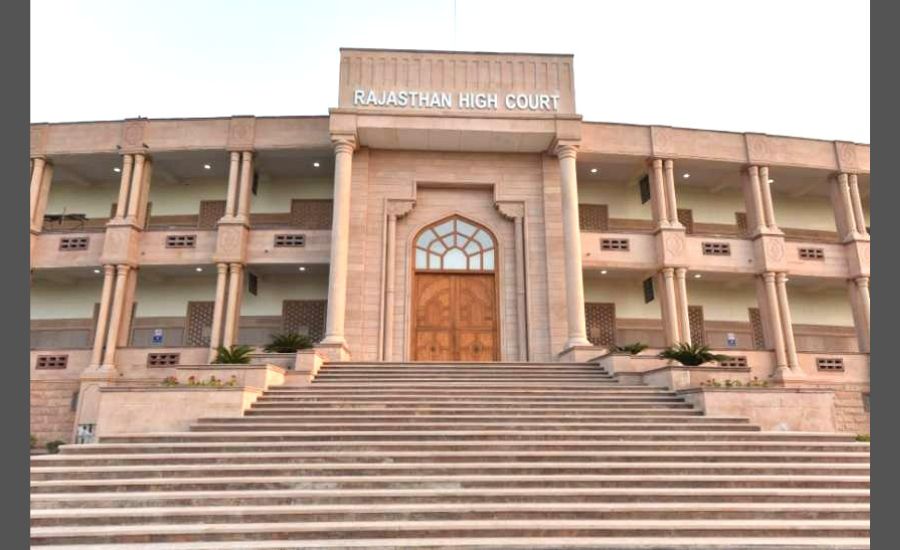
Jaipur: The Rajasthan High Court has admitted an appeal challenging the SC/ST ward reservation in Gram Panchayat Majhiwala, Rajasthan. The petitioner alleged that the reservation was based on incorrect population data. However, the High Court refused to stop the ongoing Panchayat election process. The Division Bench said that the election process had already started and should not be interrupted at this stage.
Rajasthan Panchayat Election: High Court On SC/ST Ward Reservation
The Rajasthan High Court has admitted a special appeal against the reservation of wards for Scheduled Castes (SCs) and Scheduled Tribes (STs) in Gram Panchayat Majhiwala.
Read also: Why Rajasthan High Court Stopped Assistant Professor Recruitment Results
The petitioner claimed that the population figures used for the reservation were incorrect. He also questioned the reservation of the Sarpanch post in Panchayat Samiti Majhiwala. The Court, however, refused to grant interim relief and allowed the Panchayat election process to continue.
What Is The SC/ST Ward Reservation Controversy
The petitioner challenged the reservation of certain wards in Gram Panchayat Majhiwala for candidates belonging to Scheduled Castes and Scheduled Tribes. He claimed that the population data used for deciding the reservation was incorrect.
According to the petitioner, there were only 14 voters belonging to the Scheduled category in the Gram Panchayat. Therefore, he argued that the reservation should not have been made on the basis of the disputed population figures.
The petitioner also challenged the notification regarding the reservation of the Sarpanch post for Panchayat Samiti Majhiwala. However, these claims are allegations raised by the petitioner. The Division Bench has not decided whether the population figures or the reservation arrangement were legally correct.
High Court Refuses To Stay Rajasthan Panchayat Election
The Rajasthan High Court refused to stop the ongoing Panchayat election process while hearing the appeal. The Division Bench observed that the State Election Commission had published the election programme for Rajasthan Panchayat elections on October 3, 2026.
According to the Court, the publication of the election programme had already started the election process. The Court noted that Panchayat elections across Rajasthan were underway and were scheduled to conclude by November 17, 2026. The Bench said that stopping or changing the election process at this stage could affect the ongoing elections.
What Is Article 243-O Of The Constitution
Article 243-O of the Indian Constitution deals with restrictions on court interference in Panchayat elections. It provides constitutional protection to the election process and limits judicial intervention once the electoral process has started.
The provision aims to prevent unnecessary delays and interruptions in Panchayat elections. The Rajasthan High Court relied on this constitutional provision while considering whether it could interfere with the ongoing election process.
The Court observed that election-related disputes should generally be raised through the legal remedies provided under election law.
Why Did The Single Judge Reject The Petition
Before approaching the Division Bench, the petitioner had filed a writ petition before a Single Judge of the Rajasthan High Court.
The Single Judge dismissed the petition as not maintainable because the Panchayat election programme had already been published.
The decision was based on Article 243-O of the Constitution, which restricts judicial interference in Panchayat election matters. The petitioner then filed a special appeal before the Division Bench challenging the Single Judge’s decision.
Petitioner Argues Election Notification Had Not Been Issued
The petitioner argued that the election programme was published on October 3, 2026. However, according to him, the election notification required under Rule 23 of the Rajasthan Panchayat Raj Election Rules, 1994, had not yet been issued.
He argued that the constitutional restriction under Article 243-O should not apply because the formal election notification had not been issued. The petitioner claimed that the High Court could therefore examine the legality of the ward reservation at that stage.
State Government Opposes The Appeal
The State opposed the petitioner’s arguments before the Division Bench. It submitted that the election process had already started with the publication of the election programme by the State Election Commission.
The State also argued that the subsequent election notifications were being issued according to the prescribed legal process. According to the State, the High Court should not interfere with the election process after it had already commenced.
Rajasthan Panchayat Election: High Court Relies On Supreme Court Judgments
The Rajasthan High Court considered earlier Supreme Court judgments while examining the request to stop the election process. The Bench referred to the Supreme Court’s decision in Election Commission Of India v. Ashok Kumar.
The Court observed that High Courts should exercise caution when elections are approaching or already underway. It said that courts should avoid passing orders that could interrupt, delay or postpone the election process.
The Bench also noted that Article 243-O serves the same purpose of protecting the electoral process from unnecessary judicial interference.
FAQs
The case concerns a challenge to SC/ST ward reservation in Gram Panchayat Majhiwala. The petitioner alleged that incorrect population data was used for the reservation and questioned the reservation of the Sarpanch post.
The Rajasthan High Court refused to stay the Panchayat elections because the election programme had already been published and the election process was underway. The Court said that stopping the process could interrupt or delay the elections.
No. The Rajasthan High Court did not cancel the SC/ST ward reservation. It admitted the appeal, issued notice to the respondents and refused to stop the ongoing Panchayat election process. The allegations about population data have not been finally decided.