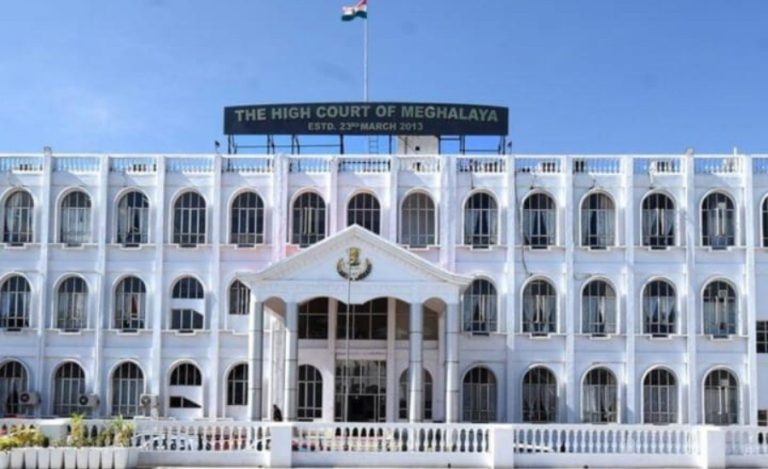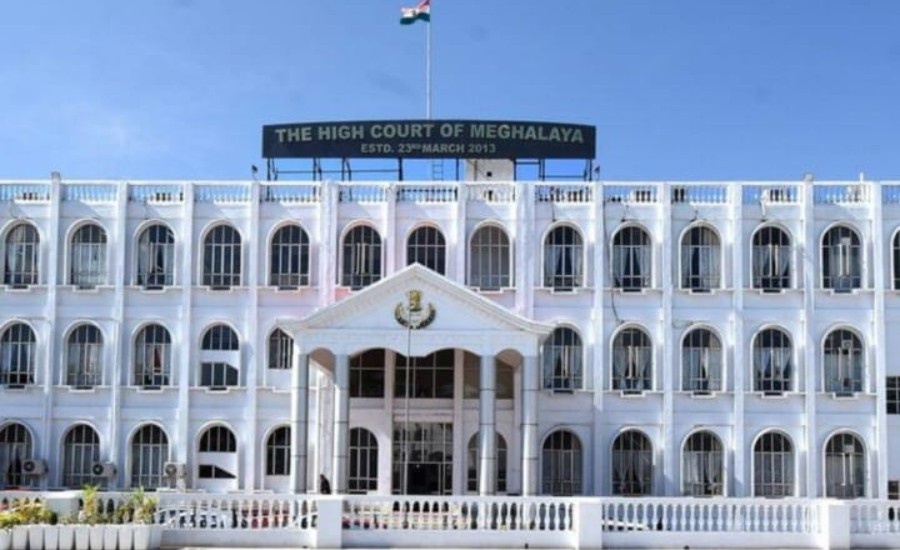
Shillong: The Meghalaya High Court has initiated suo motu proceedings against the Shillong Bar Association and the High Court of Meghalaya Bar Association over their call for lawyers to stop court work until Advocate General Amit Kumar is removed from office.
The court issued contempt notices to the associations’ office-bearers and executive members, stating that the strike had disrupted the administration of justice. The matter has raised important questions about lawyers’ right to protest and their duty to ensure that court proceedings continue without interruption.
What is the Reason of Meghalaya High Court Contempt Case
The controversy began after Advocate General Amit Kumar made remarks about the role of local bar associations in protecting women lawyers in Meghalaya.
Read also: Meghalaya HC Wants Answers On CCTV Failures In Police Stations, Seeks Government Affidavit
According to media reports, Kumar criticised the associations for failing to protect women lawyers in the state. His remarks followed an alleged incident involving the molestation of a woman law intern and a subsequent assault on an advocate.
The remarks led to strong opposition from members of the legal community. The two bar associations demanded the removal of the Advocate General from his post.
Meghalaya High Court Contempt Case: Bar Associations Called For A Statewide Court Boycott
The Shillong Bar Association and the High Court of Meghalaya Bar Association passed a resolution on September 30, 2026, calling on lawyers to abstain from judicial work from October 1.
The associations wanted the lawyers’ strike to continue until the Meghalaya government removed Amit Kumar from the post of Advocate General.
The call affected court work in Shillong and several districts across Meghalaya. According to reports on the court proceedings, judicial work was affected in all districts except Baghmara, where the local bar association did not support the strike.
High Court Says Lawyers Cannot Go On Strike
The Meghalaya High Court took a serious view of the decision to suspend court work. It observed that lawyers cannot use strikes or abstention from judicial work to press for their demands.
The court referred to the settled legal position that advocates have no right to go on strike, including a token strike. It said that stopping court work over the demand for the Advocate General’s removal obstructed the administration of justice. The court also made it clear that the judiciary cannot be used as a means to achieve a demand directed at the state government.
What Is The Suo Motu Case About
A suo motu case is a legal proceeding that a court starts on its own after taking notice of an issue, without waiting for a formal petition from an affected person.
In this case, the Meghalaya High Court took notice of the lawyers’ abstention from judicial work and its impact on court proceedings.
The court initiated suo motu public interest proceedings and issued contempt notices to the office-bearers and executive members of the two bar associations. The notices asked the concerned individuals to explain why criminal contempt proceedings should not be initiated against them for calling for the suspension of judicial work.
Court Issues Contempt Notices To Bar Association Members
The court issued notices to the office-bearers and executive members of the Shillong Bar Association and the High Court of Meghalaya Bar Association. It directed the concerned individuals to appear personally before the court on the next date of hearing and explain their actions.
The court also warned that it could issue similar notices to office-bearers of district bar associations if lawyers in other districts continued to abstain from judicial work. The warning did not apply to the Baghmara Bar Association, which had declined to support the strike. The proceedings concern whether the call for a court boycott amounts to criminal contempt. The notices themselves are not a final finding of guilt against the individuals concerned.
Meghalaya High Court Contempt Case: Bar Councils Asked To Explain Their Actions
The Meghalaya High Court also issued notices to the Bar Council of Meghalaya and the Bar Council of India.
The court sought information about the disciplinary action taken, or proposed to be taken, against lawyers who participated in the abstention from judicial work.
It asked the Chairman of the Bar Council of Meghalaya to appear personally and inform the court about the steps taken in the matter. The development highlights the role of bar councils in maintaining professional discipline among advocates and ensuring that lawyers follow the rules governing their profession.
What Does The Law Say About Lawyers’ Strikes
The Supreme Court of India has previously held that lawyers do not have a legal right to strike or boycott court proceedings.
In Ex-Capt. Harish Uppal v. Union of India (2003), the Supreme Court made it clear that advocates cannot ordinarily stop court work through strikes or calls for abstention.
The principle is based on the need to protect the justice system and the interests of people who depend on courts to resolve their legal disputes.
When lawyers stop appearing in court, cases may be delayed, hearings may be affected, and litigants may face additional difficulties. The Meghalaya High Court relied on this established legal position while examining the impact of the strike.
FAQs
Amit Kumar is the Advocate General of Meghalaya, the state’s senior law officer who represents the state government in legal matters before the courts.
The Meghalaya High Court issued contempt notices because two bar associations called for lawyers to abstain from judicial work until Advocate General Amit Kumar was removed. The court said the strike obstructed the administration of justice.
The Supreme Court has held that lawyers have no right to go on strike or call for a boycott of court proceedings, including token strikes. In Ex-Capt. Harish Uppal v. Union of India (2003), it reaffirmed that advocates must not disrupt the administration of justice through strikes.