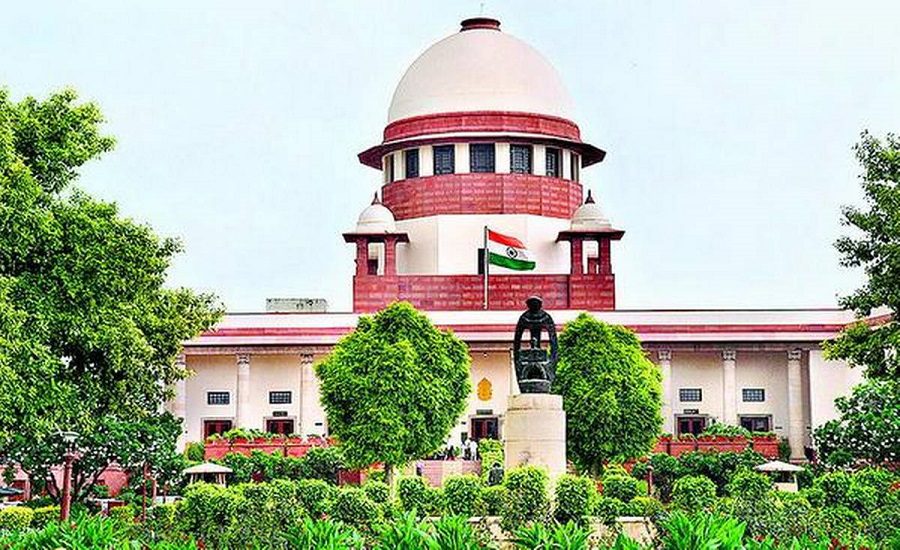
New Delhi: The Supreme Court has constituted a five-member committee to investigate allegations of violence, police action and related incidents during protests against the NEET-UG paper leak controversy.
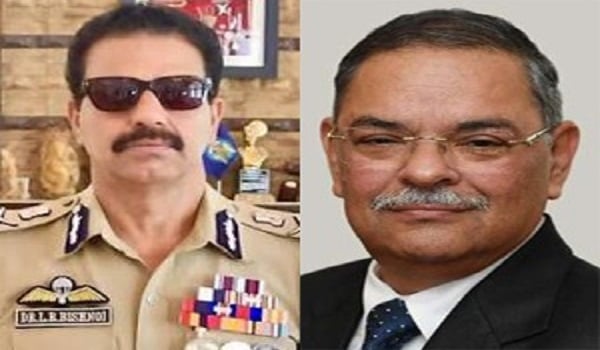
The panel includes two former senior IPS officers — former CBI Director Rishi Kumar Shukla (Retd IPS: 1983: MP) and former Meghalaya DGP Dr Lajja Ram Bishnoi (Retd IPS: 1991: Assam-Meghalaya).
The committee will be headed by former Supreme Court judge Justice R Subhash Reddy.
The other members are former Chief Justice of the Punjab and Haryana High Court Justice Ravi Shanker Jhaand former Delhi High Court judge Justice Shalinder Kaur.
The panel has been tasked with examining the sequence of events surrounding the student protests, allegations of violence and the police action taken during the demonstrations.
After examining the incidents and related issues, the committee will submit its report to the Supreme Court.
Five-Member Committee to Examine Protest Violence
The committee has been constituted to examine various aspects of the incidents reported during the student movement against alleged irregularities and paper leaks linked to NEET-UG.
Its mandate includes examining:
- The sequence of events surrounding the protests and incidents of violence.
- The nature and circumstances of police action during the protests.
- Allegations arising from the incidents.
- Other related issues that may emerge during the examination of the events.
The panel is expected to examine the available facts and circumstances before submitting its findings to the apex court.
Read also: NEET UG Reform Push: Supreme Court Seeks Stronger NTA, Calls For UPSC-Like Body To Protect NEET UG
Who Is Rishi Kumar Shukla?
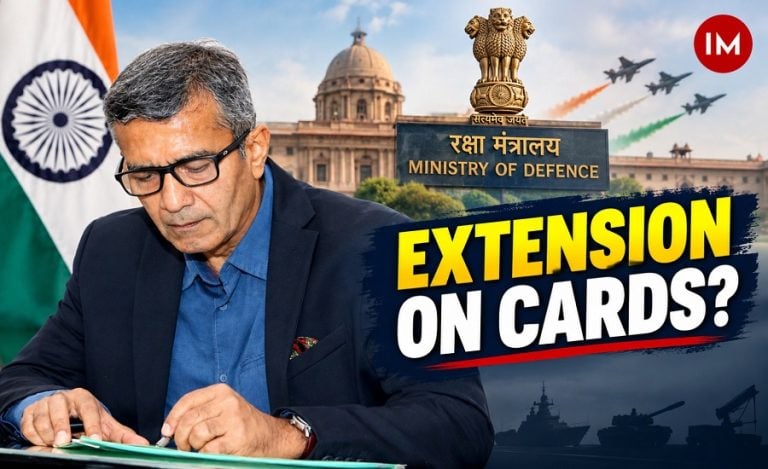
Rishi Kumar Shukla, a retired 1983-batch Madhya Pradesh-cadre IPS officer, is a veteran police officer who served as Director of the Central Bureau of Investigation (CBI) from 2019 to 2021.
His inclusion in the Supreme Court panel brings the committee the experience of a former head of India’s premier investigating agency as well as extensive experience in intelligence and state policing.
Shukla was born in 1960 and holds a postgraduate degree in Philosophy.
Before becoming CBI Director, he held several senior positions during a long career in the Indian Police Service, including serving as Director General of Police (DGP), Madhya Pradesh.
Rishi Kumar Shukla’s CBI Tenure
Shukla headed the CBI from 2019 to 2021, taking charge of the agency during a period involving several high-profile investigations and institutional challenges.
His previous experience included important assignments in the Intelligence Bureau, where he spent several years handling sensitive security-related matters.
His career in intelligence and policing gave him exposure to complex investigations, security issues and crisis situations.
He was also known for his experience in crisis management and hostage negotiation.
Police Medals and Service Recognition
During his career, Shukla received major police service honours, including the Police Medal for Meritorious Serviceand the President’s Police Medal for Distinguished Service.
His selection for the Supreme Court committee adds the experience of a senior police officer who has served at the highest levels of both state and central policing institutions.
As a former CBI Director, Shukla is expected to bring investigative and institutional expertise to the panel’s examination of the allegations surrounding the NEET-UG protests.
Who Is Dr Lajja Ram Bishnoi?
Dr Lajja Ram Bishnoi, commonly known as L R Bishnoi, is a retired 1991-batch Assam-Meghalaya cadre IPS officer and former Director General of Police (DGP), Meghalaya.
He retired as Meghalaya DGP in May 2024, after a career spanning more than three decades in policing.
Bishnoi has extensive experience in dealing with security challenges in the Northeast, including counter-insurgency operations, anti-narcotics activities and policing in conflict-sensitive areas.
He has served in several senior positions in both Assam and Meghalaya.
L R Bishnoi’s Northeast Policing Experience
Bishnoi’s career included significant assignments in the Bodoland Territorial Region, where he served as Inspector General of Police (IGP).
He also served as Special Director General of Police (Special DGP) in Assam.
His assignments in the Northeast involved handling complex security and law-and-order situations, including counter-insurgency operations.
His experience in the region is particularly relevant to the committee’s broader examination of police action and allegations arising from protest-related incidents.
Unique Academic Background
Bishnoi has an unusual academic background for a senior police officer. He holds a postgraduate degree in Veterinary Science.
Alongside his policing career, he became known for his involvement in tactical and specialised security activities.
His professional experience included counter-insurgency operations and anti-narcotics campaigns in the Northeast.
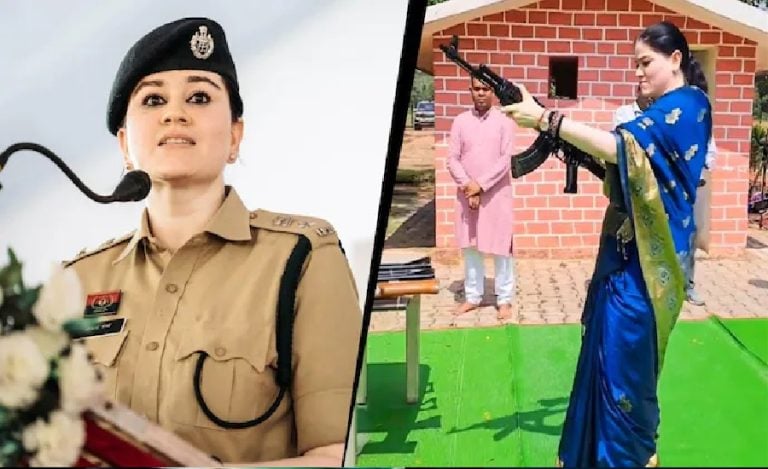
First DGP-Rank Officer to Complete Five Tactical Parachute Jumps
Bishnoi also made history through his participation in tactical paramilitary parachute operations.
He became the first DGP-rank officer to complete five tactical paramilitary parachute jumps from an altitude of 5,000 feet.
The feat added to his reputation for undertaking specialised operational activities during his policing career.
Supreme Court Panel Brings Legal and Policing Expertise
With three retired judges and two former IPS officers, the five-member committee combines judicial expertise with senior policing and investigative experience.
Justice R Subhash Reddy will head the panel, while Justice Ravi Shanker Jha and Justice Shalinder Kaur bring experience from the Supreme Court and High Courts.
The inclusion of Shukla and Bishnoi adds perspectives from central investigation, intelligence, state policing, counter-insurgency and crisis management.
The combination is expected to assist the committee in examining both the legal and administrative dimensions of the incidents.
Committee to Submit Report to Supreme Court
The committee will examine the sequence of events, the allegations of violence, the police response and other issues connected with the protests.
After completing its examination, the panel will submit its findings and report to the Supreme Court.
The constitution of the committee comes against the backdrop of widespread student protests and allegations surrounding the NEET-UG paper leak controversy.
The findings of the panel will therefore be significant in establishing the circumstances surrounding the reported incidents and assessing the allegations concerning police action.