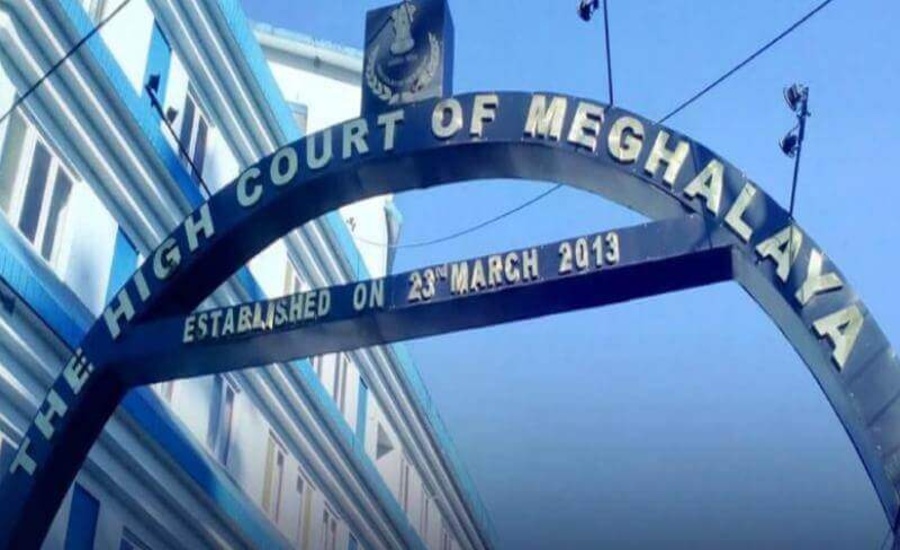
Meghalaya: Meghalaya high court has directed the Meghalaya Government to submit a detailed affidavit on the installation, functioning, and maintenance of CCTV cameras in police stations across the state. The order aims to ensure transparency, accountability, and compliance with the Supreme Court’s directions on CCTV surveillance in police stations.
The court passed the order after noticing possible non-compliance with the Supreme Court’s guidelines requiring functional CCTV systems in all police stations.
Meghalaya Police Station CCTV Camera Failure: What Did The High Court Direct
A Division Bench led by Chief Justice Revati Mohite Dere asked the State Government to file a comprehensive affidavit. The affidavit must clearly mention:
- Number of CCTV cameras installed in each police station.
- Whether the cameras are fully functional.
- How the CCTV systems are maintained.
- Steps taken to repair or replace non-functional cameras.
- Whether video recordings are stored as required by law.
Central Investigation Agencies Also Added To The Meghalaya Police Station CCTV Camera Failure Case
The Meghalaya High Court also impleaded several central investigative agencies as respondents in the matter. These include:
- Enforcement Directorate (ED)
- Central Bureau of Investigation (CBI)
- National Investigation Agency (NIA)
- Narcotics Control Bureau (NCB)
- Directorate of Revenue Intelligence (DRI)
The court wants to examine CCTV surveillance compliance in agencies that conduct investigations and custodial proceedings.
Why Are CCTV Cameras Important in Police Stations
The Supreme Court has repeatedly said that CCTV cameras in police stations help protect the rights of people in custody. Functional CCTV systems can:
- Prevent custodial violence.
- Improve police accountability.
- Preserve evidence during investigations.
- Increase public trust in law enforcement.
Supreme Court’s Earlier Guidelines
In its landmark orders, the Supreme Court directed all states and Union Territories to install CCTV cameras in every police station. The cameras should cover important areas such as:
- Police station entrances and exits.
- Lock-ups.
- Corridors.
- Duty officer’s room.
- Interrogation areas, wherever permitted.
The Court also stressed proper maintenance and timely repair of the systems so that surveillance remains uninterrupted.
Read also: India Creates Judicial History as Four Women Serve as High Court Chief Justices Together