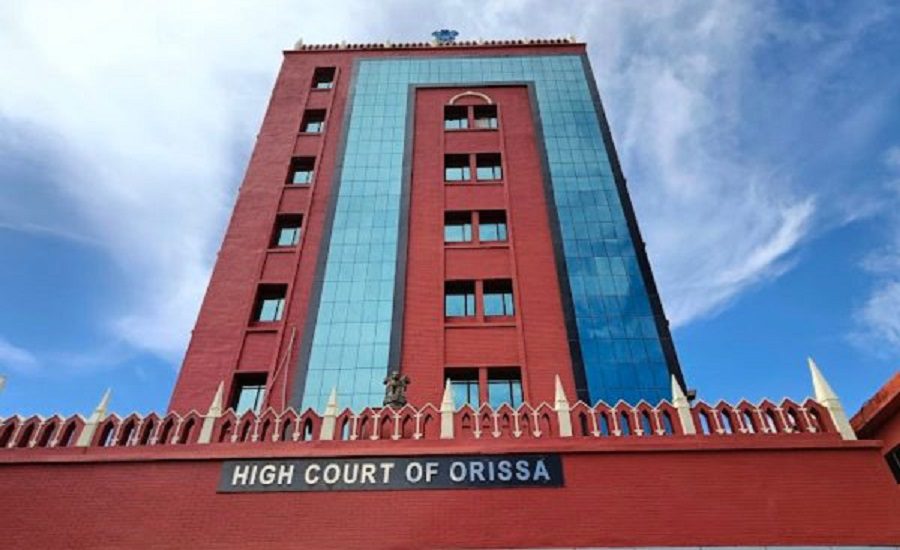
Bhuvneshwar: Orissa High Court cheque bounce case came under sharp judicial scrutiny after the High Court set aside an order passed by a Judicial Magistrate First Class (JMFC), holding that the Magistrate ignored a specific direction to first decide the maintainability of a cheque bounce complaint under Section 138 of the Negotiable Instruments Act, 1881. Justice V. Narasingh described the approach as a “patent breach of judicial discipline” and used the term “judicial harakiri” to criticize the conduct.
Orissa Cheque Bounce Case: Why Did The High Court Interfere
The dispute arose from a cheque dishonour case involving an alleged amount of ₹2,50,407. The accused argued that the complaint had been filed prematurely, before the statutory waiting period under Section 138 of the Negotiable Instruments Act had expired. Earlier, the High Court had specifically directed the trial court to first decide this issue of maintainability before proceeding further.
Read also: Orissa High Court Orders Police to Immediately Inform Courts of Out-of-State Arrests Without Warrant
However, the JMFC rejected the application without deciding the maintainability issue, prompting the accused to approach the High Court again.
Orissa Cheque Bounce Case: What Does Section 138 Of The NI Act Provide
Under Section 138 of the Negotiable Instruments Act, 1881, a cheque bounce complaint can be filed only after following the statutory procedure. The payee must issue a demand notice within the prescribed time, and the drawer must be given 15 days after receiving the notice to make the payment. If payment is not made within this period, the offence is considered complete and a complaint can be filed. The accused claimed these legal requirements had not been fully completed when the complaint was instituted.
Orissa Cheque Bounce Case: High Court Stresses Judicial Discipline
Justice V. Narasingh observed that while subordinate courts are independent in deciding cases according to law, they cannot disregard or act in defiance of directions issued by superior courts. The Court said such conduct weakens judicial discipline and can reduce public confidence in the justice delivery system.
Why Did The Court Use The Term “Judicial Harakiri”
The High Court held that refusing to comply with an earlier judicial direction amounted to a patent breach of judicial discipline. The Bench remarked that such an approach was nothing short of “judicial harakiri” and could not be accepted in the judicial system.
Supreme Court Precedent Relied Upon
The High Court relied on the Supreme Court judgment in Tirupati Balaji Developers (P) Ltd. v. State of Bihar (2004). The judgment emphasizes that lower courts must follow directions issued by superior courts to maintain consistency, certainty and discipline in the administration of justice.
Orissa Cheque Bounce Case: High Court’s Final Directions
The High Court set aside the JMFC’s order. It directed the trial court to first hear and decide the question of maintainability before taking any further steps in the cheque bounce case. Only after recording a finding on that issue should the trial continue.
Read also: Orissa High Court Gives Major Win to Pharmacist, Rejects Odisha Government’s Appeal