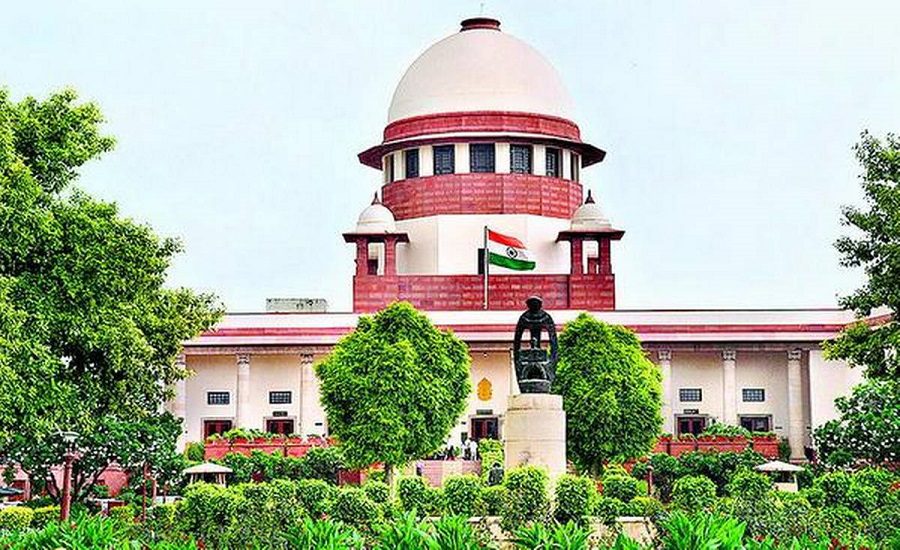
New Delhi: One Nation, One Election has once again become a major topic after the Supreme Court clarified that no meeting will take place between its judges and the Joint Parliamentary Committee (JPC) examining the proposed legislation. The development comes after reports suggested that the committee planned to interact with the Chief Justice of India Surya Kant and other Supreme Court judges regarding simultaneous elections. According to official information and reports, the proposed interaction has now been cancelled.
One Nation One Election: What Did The Supreme Court Say
The Supreme Court clarified that no meeting is scheduled between its judges and the Joint Parliamentary Committee examining the One Nation, One Election Bills. The clarification came after discussions emerged about a proposed interaction on October 6.
Read also: Beyond Treatment: CJI Surya Kant Says Child Drug Abuse Is a Protection Issue
Reports indicate that the Supreme Court administration informed the committee that such discussions may not be appropriate because the proposed constitutional amendments could later come before the Court for judicial review.
What Is The One Nation, One Election Proposal
The One Nation, One Election proposal seeks to hold Lok Sabha and State Assembly elections at the same time across India. The government argues that simultaneous elections could reduce election-related expenses and administrative disruptions.
To enable this system, Parliament is examining the Constitution (One Hundred and Twenty-Ninth Amendment) Bill, 2024 and the Union Territories Laws (Amendment) Bill, 2024.
Role Of The Joint Parliamentary Committee
The Joint Parliamentary Committee, headed by BJP MP PP Chaudhary, is reviewing the proposed legislation. The committee has held consultations with political parties, constitutional experts, former Chief Justices of India, former Supreme Court judges, and other stakeholders.
Why Was The One Nation One Election Meeting Controversial
Senior Advocate and Rajya Sabha MP Kapil Sibal publicly questioned the proposed interaction. He argued that Parliament makes laws while the judiciary examines whether those laws are constitutional.
According to Sibal, discussions between a parliamentary panel and sitting Supreme Court judges on legislation that may later face judicial scrutiny could raise concerns regarding the principle of separation of powers.
Opposition Objections
Several opposition leaders and committee members reportedly raised objections to the proposed meeting. Following these concerns, the plan was eventually dropped.
Why Did The Supreme Court Decline The Interaction
Sources indicated that senior judges felt it would not be desirable to discuss a matter that could later be challenged before the Supreme Court. The Court’s position appears to be based on maintaining judicial neutrality and avoiding any situation that could create concerns about future judicial review.
Read also: CJI Surya Kant Reveals The Biggest Challenge Of Bringing AI Into Courts
FAQs
The proposal aims to conduct Lok Sabha and State Assembly elections simultaneously across India through constitutional and legal amendments.
The Supreme Court reportedly felt that discussions on a proposal that may later come before the Court for judicial review would not be appropriate, helping preserve judicial neutrality.
A Joint Parliamentary Committee headed by BJP MP PP Chaudhary is reviewing the proposed legislation and consulting various stakeholders.