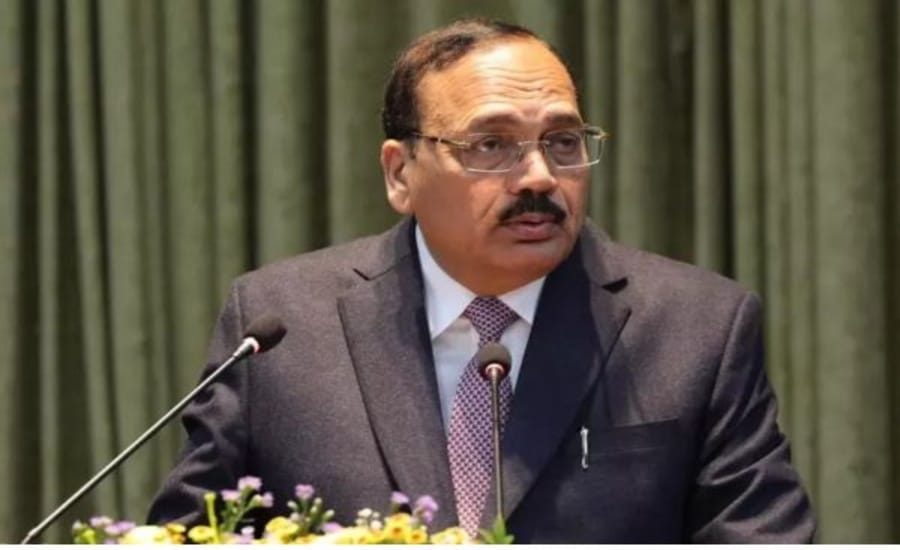
Patna: Chief Justice of India Surya Kant has called for a broader approach to drug abuse among children, saying the issue should be addressed not only as a public health concern but also as a child protection issue.
He made the remarks at a seminar in Patna titled “Restoring Childhood – Preventing Drug Abuse and Re-integration of Children in Need of Care and Protection.” The discussion focused on protecting children affected by substance use and ensuring that they receive the care and support needed to return to education, family life and their communities.
Justice Surya Kant stressed that children facing substance-use problems need more than medical treatment. Their rehabilitation also requires safety, counselling, family support, continued education and opportunities to rebuild their lives without stigma.
Drug Abuse Among Children Needs a Protection-Based Approach
Children affected by substance use can face vulnerabilities that extend beyond health concerns. Their circumstances may also involve disruption of education, strained family relationships, social isolation and difficulty returning to normal community life.
Against this backdrop, the Chief Justice emphasised the need to view child drug abuse through the lens of care, protection and rehabilitation.
Such an approach places the child’s overall well-being at the centre of the response. Treatment and counselling remain important, but they need to be supported by safe surroundings and long-term assistance.
The focus, therefore, is not simply on addressing substance use but also on understanding the circumstances that may leave a child vulnerable and providing appropriate support at an early stage.
Read also: Indian Air Force Exit Policy Explained After Supreme Court’s Latest Ruling
Early Intervention Can Prevent a Crisis
Justice Surya Kant highlighted the importance of identifying signs of vulnerability before a child’s situation develops into a crisis.
Families, schools, teachers, healthcare professionals and community workers can all contribute to early identification and support. Their regular interaction with children can help them notice changes in behaviour or circumstances that may require attention.
Early intervention can also create an opportunity to connect children and families with counselling, healthcare and other support systems before problems become more difficult to address.
This makes awareness among adults who regularly interact with children an important part of the wider child protection response.
Rehabilitation Must Go Beyond Treatment
The Chief Justice stressed that children affected by substance use should receive a combination of safety, treatment, counselling and rehabilitation.
Medical intervention can address immediate health needs, while counselling and rehabilitation can help children deal with the wider challenges associated with recovery.
However, successful rehabilitation also depends on what happens after treatment. Children need supportive environments where they can continue their education, rebuild family relationships and gradually return to community life.
This requires families and institutions to look beyond the immediate treatment period and provide continued support.
Education Continuity Is Part of Rehabilitation
Justice Surya Kant also highlighted the importance of ensuring that children do not lose their connection with education during the rehabilitation process.
For children who have experienced substance-use problems, interruption of schooling can add another layer of vulnerability. Helping them resume or continue education can provide stability and create a pathway towards a more secure future.
Educational institutions can therefore have an important role in rehabilitation. Teachers and school authorities can support children as they return to learning while helping create an environment where they are not isolated or labelled because of their past experiences.
Reintegration Means More Than Returning Home
One of the key points highlighted by the Chief Justice was the meaning of reintegration.
Returning a child physically to a family or school does not automatically mean that the rehabilitation process is complete. According to the approach outlined by Justice Surya Kant, reintegration should restore the child’s place in family, education and community life.
This means children should be able to return to these spaces with dignity and without stigma.
A supportive family environment can provide emotional stability, while schools and communities can help children rebuild social connections and regain confidence.
The Need for Continued Aftercare
Aftercare is another important part of the rehabilitation process. Children may continue to need guidance and support even after completing treatment or returning to school and family settings.
Consistent follow-up can help identify emerging difficulties and ensure that children do not fall back into situations that previously placed them at risk.
The responsibility for such support cannot rest with one institution alone. Families, schools, healthcare providers, child protection systems and community-level workers all have roles to play.
A coordinated approach can help ensure that children receive support across different stages of recovery and reintegration.
Restoring Childhood at the Centre
The Patna seminar placed the broader idea of restoring childhood at the centre of discussions on preventing drug abuse and supporting children in need of care and protection.
The emphasis on prevention, early intervention, treatment, counselling, education and aftercare reflects the need for a long-term approach rather than a response limited to a single stage of a child’s recovery.
Treating child drug abuse as a child protection concern also brings attention to the child’s rights, safety and future, alongside immediate health needs.
The larger challenge is to create an environment in which vulnerable children can receive timely help, remain connected with education and family, and return to community life without being defined by substance-use experiences.
Read also: Explained: Why The Supreme Court Is Seeking A New Law For Court Deposits