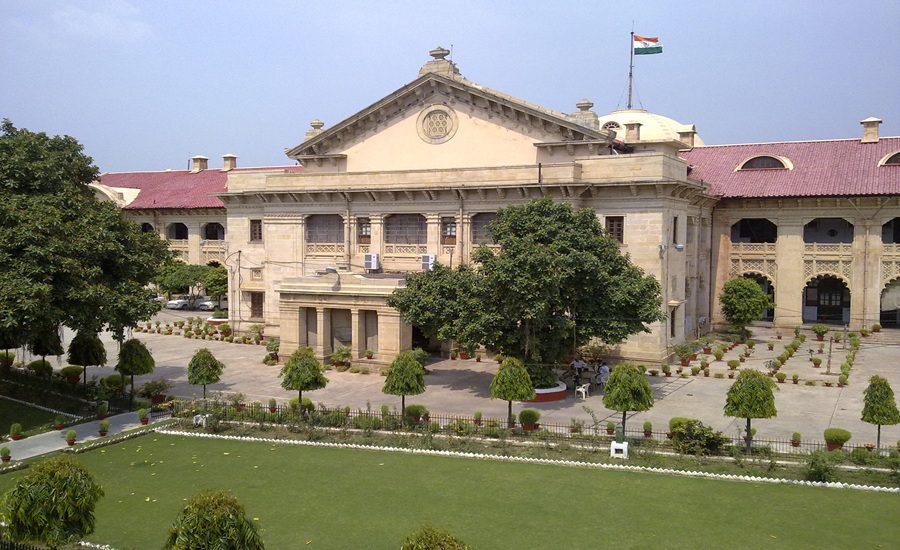
Lucknow: The Allahabad High Court ruled that the Uttar Pradesh Bar Council cannot suspend advocates at an interim stage while a disciplinary inquiry is still pending. The judgment states that suspension under the Advocates Act is a final punishment and cannot be imposed before the inquiry is completed.
Details of Allahabad High Court Advocate Pending Disciplinary Inquiry Ruling
The matter came before the Allahabad High Court after two advocates challenged an order issued by the Chairman of the Disciplinary Committee of the Bar Council of Uttar Pradesh.
The Bar Council had suspended the enrolment of the two advocates “till further orders” and directed that they should not appear before courts during the pendency of disciplinary proceedings.
The action was reportedly taken after allegations that the advocates had rejected a resolution passed by the Bar Council of Uttar Pradesh and had published their objections in newspapers. According to the Bar Council, the allegations were serious enough to justify immediate action.
What Did The Allahabad High Court Say
A Bench comprising Justice Shekhar B. Saraf and Justice Abhiesh Kumar Chaudhary observed that the Advocates Act, 1961 does not allow the Bar Council to suspend an advocate as an interim measure during an ongoing disciplinary inquiry.
The Court explained that suspension of an advocate’s right to practice is a serious punishment and can only be imposed after the disciplinary process is completed and the advocate has been given a fair opportunity to be heard.
Allahabad High Court Advocate Pending Disciplinary Inquiry Ruling: Suspension Is A Final Punishment
The Court referred to Section 35 of the Advocates Act, 1961, which deals with punishment for professional misconduct. According to the Court, the law allows suspension only after the disciplinary committee reaches a final conclusion regarding misconduct. Therefore, a temporary or interim suspension before completion of the inquiry is not supported by the statute.
Why Is This Judgment Important
The ruling reinforces the principle that disciplinary proceedings must follow due process.
An advocate cannot be deprived of the right to practice law before the inquiry reaches a final conclusion and legal procedures are fully followed.
Clarification Of Bar Council Powers
The judgment also clarifies the limits of the powers available to State Bar Councils under the Advocates Act. While Bar Councils can initiate disciplinary proceedings and investigate complaints, punitive action such as suspension must comply strictly with the law.
FAQs
Disciplinary action against advocates is governed by Section 35 of the Advocates Act, 1961, which provides the procedure and possible punishments for professional misconduct.
No. The Allahabad High Court ruled that a State Bar Council cannot suspend an advocate at an interim stage while disciplinary proceedings are still pending.
The ruling protects due process and clarifies that suspension is a final punishment that can only be imposed after completion of a disciplinary inquiry.