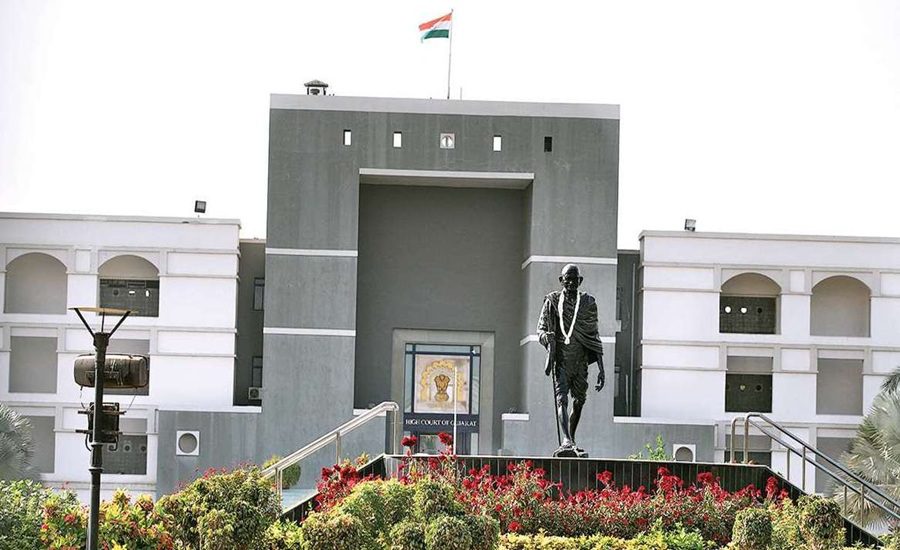
Ahmedabad: The Gujarat High Court has upheld the dismissal of a former Judicial Magistrate First Class (JMFC) who was removed from service over allegations of using benami mobile phones and failing to disclose vehicle purchases and a personal loan.
The Court ruled that the conduct was inappropriate for a judicial officer and supported the disciplinary action taken against him. The decision highlights the importance of transparency, integrity, and ethical behavior in the Indian judiciary.
Details of Gujarat Benami Phones Case
The case involved former Judicial Magistrate First Class Amratlal Narendrabhai Vizoda. Authorities alleged that he used three mobile phones that were not officially linked to his name. Investigators also found that he did not properly disclose certain vehicle purchases and a personal loan as required under service rules.
Read also: Why Did The Supreme Court Order An Inquiry Against A Judicial Officer? Full Story Here
After a departmental inquiry, disciplinary authorities concluded that the misconduct was serious enough to warrant dismissal from service. The former judge challenged the decision, leading the matter to reach the Gujarat High Court.
Gujarat Benami Phones Case: Gujarat High Court’s Findings
A Division Bench of Justice N.S. Sanjay Gowda and Justice J.L. Odedra reviewed the case and upheld the dismissal. The Court noted that one of the mobile phones was allegedly obtained through a practicing advocate. Evidence also showed frequent communication between the judicial officer and the lawyer.
Why The Lawyer Connection Mattered
The High Court emphasized that judges must maintain professional distance from practicing lawyers. According to the Court, even the appearance of an improper relationship can damage public confidence in the judicial system. A judicial officer must avoid situations that may create doubts about impartiality and fairness.
Importance Of Judicial Ethics
Courts rely heavily on public trust. Judges are expected to follow strict ethical standards because they make decisions that affect people’s lives, businesses, and freedoms. Any conduct that raises questions about independence or honesty can weaken confidence in the justice system.
Transparency Is A Key Requirement
Government officials and judicial officers are often required to disclose financial transactions, loans, and major asset purchases. These disclosures help ensure accountability and prevent conflicts of interest. The Court found that failure to comply with these obligations was a serious matter.
Gujarat Benami Phones Case: Why This Judgment Is Significant
The ruling sends a clear message that judicial officers are expected to meet the highest standards of conduct. The Court reinforced that misconduct involving undisclosed assets, questionable associations, or lack of transparency will be treated seriously.
Protecting The Credibility Of Courts
The judgment also highlights the judiciary’s commitment to maintaining public confidence. By upholding disciplinary action, the High Court demonstrated that judges are accountable for their actions and must follow the same principles of fairness and integrity that they enforce in courtrooms.
Read also: Gujarat High Court Exposes AI-Generated Fake Case Laws In Tax Proceedings
FAQs
The High Court upheld the dismissal and agreed that the misconduct was serious enough to justify removal from service.
The magistrate was dismissed over findings that he used benami mobile phones and failed to disclose certain vehicle purchases and a personal loan as required under service rules.
The ruling reinforces the importance of judicial ethics, transparency, and accountability while protecting public trust in the judiciary.