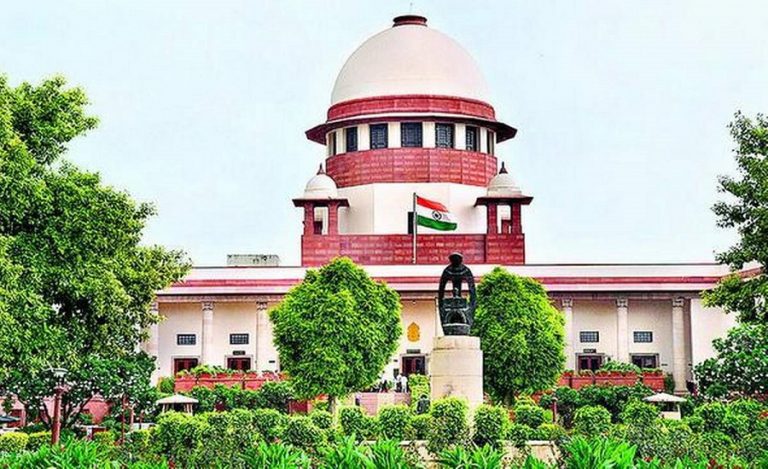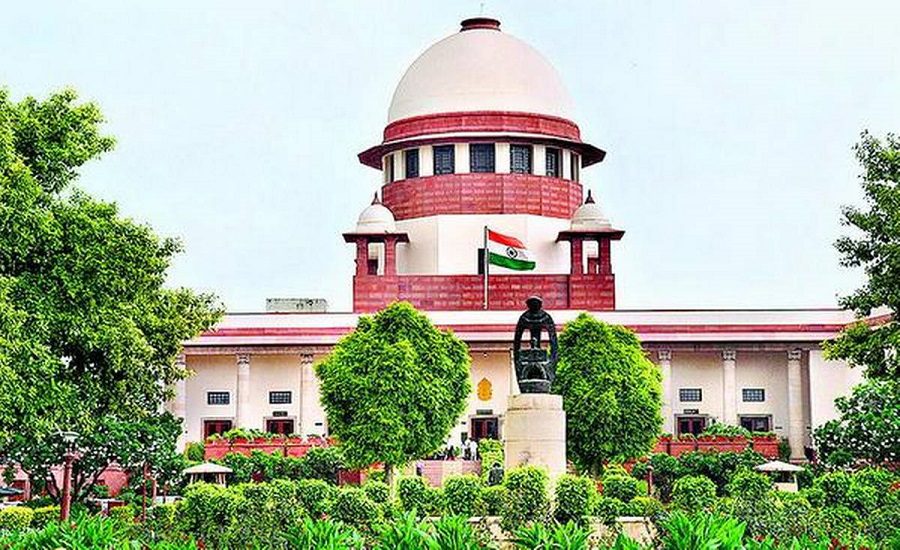
New Delhi: The Supreme Court of India has directed the Central Government to form a committee to recommend stronger regulations against unethical pharmaceutical marketing practices, including the practice of offering freebies to doctors.
The committee will examine whether existing rules are enough to prevent pharmaceutical companies from improperly influencing doctors’ prescribing decisions.
The move aims to improve transparency, protect patients’ interests and strengthen accountability in the pharmaceutical industry. The Court has also asked the government to consider the committee’s recommendations and explain the action taken.
Details of Supreme Court Directives on Pharma Marketing Rules
On October 8, 2026, a bench of the Supreme Court comprising Justice Vikram Nath and Justice Sandeep Mehta directed the Union Government to establish a committee to examine unethical marketing practices by pharmaceutical companies.
Read also: Why The Supreme Court Has Ordered A Major Crackdown On Dowry Cases Across India
The committee will study the existing rules and recommend whether a stronger legal framework is needed to regulate the pharmaceutical industry.
The Court said that having rules on paper is not enough. These rules must also be properly implemented and enforced to protect public health. The government must consider the committee’s recommendations and take an appropriate decision. The case is scheduled for further hearing on January 29, 2027.
Why Are Pharmaceutical Companies Offering Freebies To Doctors Under Scrutiny
Pharmaceutical companies promote their medicines to doctors to encourage their use and prescriptions. However, problems can arise when companies offer personal benefits to influence doctors’ decisions.
These benefits may include gifts, travel facilities, hospitality, monetary benefits or sponsorship for medical events. Such practices can create a conflict of interest. A doctor should recommend a medicine because it is suitable for the patient’s medical needs, not because a company has offered personal benefits.
The main concern is that patients could receive expensive medicines when more affordable and equally suitable alternatives are available.
The Supreme Court has previously highlighted these concerns in Apex Laboratories Pvt. Ltd. v. Deputy Commissioner of Income Tax (2022), noting that freebies offered to doctors can affect prescriptions and ultimately harm patients.
What Is UCPMP 2024 And Why Is It Important
The Central Government introduced the Uniform Code for Pharmaceutical Marketing Practices (UCPMP), 2024, on March 12, 2024. The code sets ethical standards for pharmaceutical companies when promoting medicines and interacting with doctors and other healthcare professionals.
The Department of Pharmaceuticals is responsible for overseeing the code’s implementation. Its provisions include rules on gifts, monetary benefits, hospitality and support for medical conferences and educational events.
The government has also established a system for handling complaints, reviewing alleged violations and hearing appeals through designated committees. Pharmaceutical companies are expected to follow the code and meet applicable disclosure requirements. However, the central issue before the Supreme Court is whether the existing framework provides sufficiently effective and enforceable safeguards against unethical practices by pharmaceutical companies.
The Court’s latest direction seeks a detailed review of these safeguards and possible improvements to monitoring, accountability and enforcement.
Pharma Marketing Rules: Why Does The Court Want Stronger Legal Regulations
The Court’s concern is that an ethical code may not achieve its purpose if violations cannot be effectively prevented or punished.
During the proceedings, questions were raised about the difference between action against doctors who accept improper benefits and the measures available to regulate pharmaceutical companies that offer those benefits.
The petitioners argued that stronger legal provisions were needed to hold pharmaceutical companies accountable, rather than relying only on the existing system.
The Court also noted that the effectiveness of regulation must be judged by its implementation and enforcement, not merely by the existence of written rules.
What Will The New Committee Examine
The committee has been directed to undertake a comprehensive review of the issues related to unethical pharmaceutical marketing practices. Its key responsibilities include:
- Reviewing Existing Laws: Examining whether current laws and regulations are sufficient to control unethical marketing.
- Checking Enforcement Mechanisms: Assessing how existing rules are monitored and enforced.
- Consulting Stakeholders: Giving petitioners, intervenors and other concerned stakeholders an opportunity to share their views and suggestions.
- Seeking Expert Advice: Taking assistance from technical experts, professional bodies and relevant institutions when required.
- Recommending Improvements: Suggesting measures to improve transparency, accountability and compliance across the pharmaceutical industry.
The committee must complete its work within two months of its first meeting and submit its recommendations to the Union Government.
Read also: This Supreme Court Observation Could Redefine How Public Office Is Viewed In India
FAQs
The Uniform Code for Pharmaceutical Marketing Practices (UCPMP), 2024, is a government-issued code that sets ethical standards for pharmaceutical companies when promoting medicines and interacting with healthcare professionals. It includes rules on gifts, monetary benefits, hospitality and other promotional activities.
The Supreme Court has directed the Central Government to form a committee to examine unethical pharmaceutical marketing practices and recommend stronger regulations. The committee will assess whether existing rules are sufficient and how enforcement can be improved.
The Supreme Court has scheduled the next hearing for January 29, 2027. The government is expected to submit a compliance affidavit detailing the committee’s formation, consultation process, recommendations and the action taken.