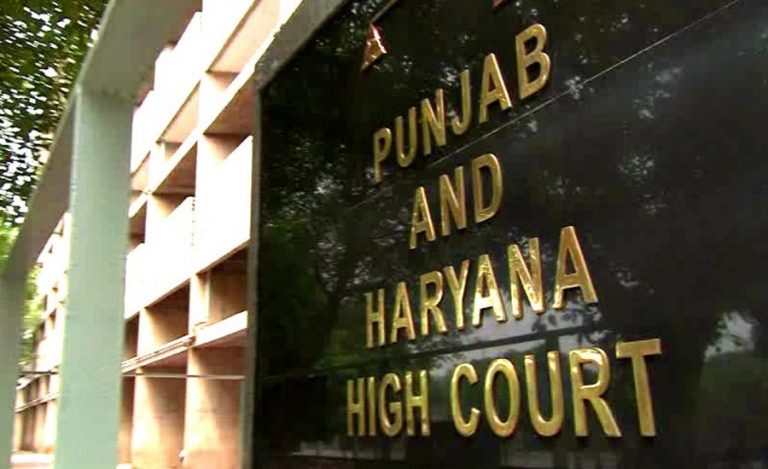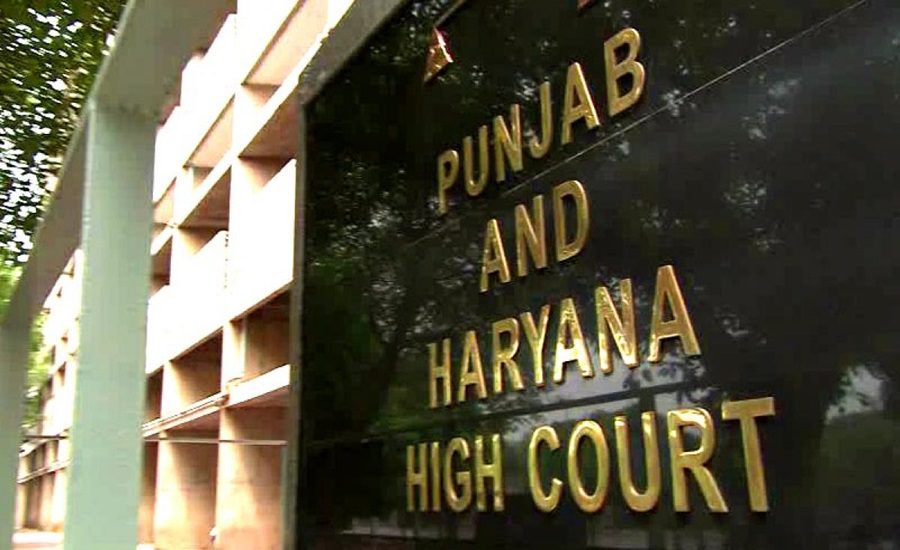
Chandigarh: The Punjab and Haryana High Court has described the Punjab government’s conduct in the Dearness Allowance (DA) case as “very painful” and directed that the contempt-related applications be heard by the judge who handles such matters under the court’s official roster.
The development took place on October 9, 2026, in a case involving the payment of pending DA to Punjab government employees. The matter also concerns allegations that the Punjab Chief Secretary made an incorrect statement about the status of the state’s appeal before the Supreme Court.
Latest Update on Punjab DA Case
The Punjab and Haryana High Court was hearing applications seeking action against the Punjab government over alleged non-compliance with its earlier order concerning pending Dearness Allowance payments to government employees.
Read also: Punjab and Haryana High Court Rejects Bail Plea, Cites Need for Fair Corruption Investigation
The court said that a judge with the proper authority to hear contempt matters would deal with these applications. The decision means the matter will be placed before the appropriate judge according to the court’s roster.
The development is important because the case involves both the payment of DA and questions about whether the government correctly informed the court about its legal steps.
Why Did The High Court Call Punjab Government’s Conduct Painful
The dispute is linked to the Punjab government’s claim that it had filed an appeal before the Supreme Court against the High Court’s earlier decision.
According to a report by The Tribune, the High Court had earlier directed the Punjab Chief Secretary to submit a compliance affidavit. The court later received applications seeking contempt proceedings after the required affidavit was not filed as directed.
The state subsequently informed the High Court that it had filed a Special Leave Petition (SLP) before the Supreme Court on September 1, 2026. However, a report from the Supreme Court Registry reportedly showed that the appeals filed by the state and Punjab State Power Corporation Limited (PSPCL) still had defects.
The High Court noted that the Chief Secretary had earlier stated in an affidavit that these defects had been removed. The applicants disputed that statement. These developments led to questions about the accuracy of the information provided to the High Court.
What Did The Punjab Government Say Before The Court
Senior advocate Vikas Singh, appearing for the Punjab government, told the court that the Chief Secretary had no deliberate intention to make a false statement about the removal of defects in the state’s Supreme Court appeal.
He also submitted that the Chief Secretary was willing to offer an unconditional apology if the court considered it necessary. An unconditional apology means saying sorry without attaching conditions to the apology. However, lawyers representing the applicants opposed the state’s position.
Senior advocates Sanjay Kaushal and Chetan Mittal argued that the government’s conduct amounted to contempt and that the court’s proceedings had been brought into question.
The court decided that the contempt-related issues should be placed before the judge authorised to hear such matters under the roster.
What Is Contempt Of Court
Contempt of court refers to conduct that falls within the legal definition of contempt and may interfere with the administration of justice or undermine the authority of the judiciary.
In this case, the applications concern alleged non-compliance with the High Court’s directions and questions about statements made regarding the status of the Supreme Court appeal. However, the allegations must be examined through the proper legal process. Referring a matter to the judge handling contempt cases does not, by itself, mean that anyone has been finally found guilty of contempt. The designated judge will deal with the matter according to the applicable law and court procedure.
Read also: Can Voter ID Be Mandatory For Welfare Benefits? Punjab Government Asked To Respond
FAQs
On October 9, 2026, the Punjab and Haryana High Court directed that the contempt-related applications be placed before the judge authorised to hear such matters. The proceedings concern alleged non-compliance with the court’s earlier order on pending DA payments and disputed information about the state’s Supreme Court appeal.
The High Court expressed concern over the state’s conduct in the pending DA case, including disputed statements about whether defects in its Supreme Court appeal had been removed. It directed that the contempt-related applications be heard by the appropriate roster judge.
No final finding of guilt is established by the reported October 9 development. The matter has been referred to the appropriate judge for further proceedings, and the allegations must be dealt with through the legal process.