New Delhi: The Delhi Government plans to speed up its proposed ₹7,000-crore elevated Ring Road project as traffic congestion continues to increase on key stretches of the national capital. The plan includes two new elevated crossings over the Yamuna River and aims to improve connectivity between Trans-Yamuna areas and the rest of Delhi.
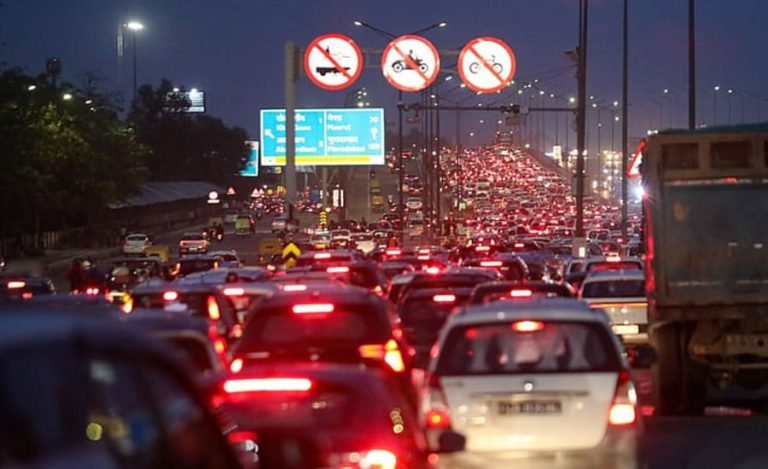
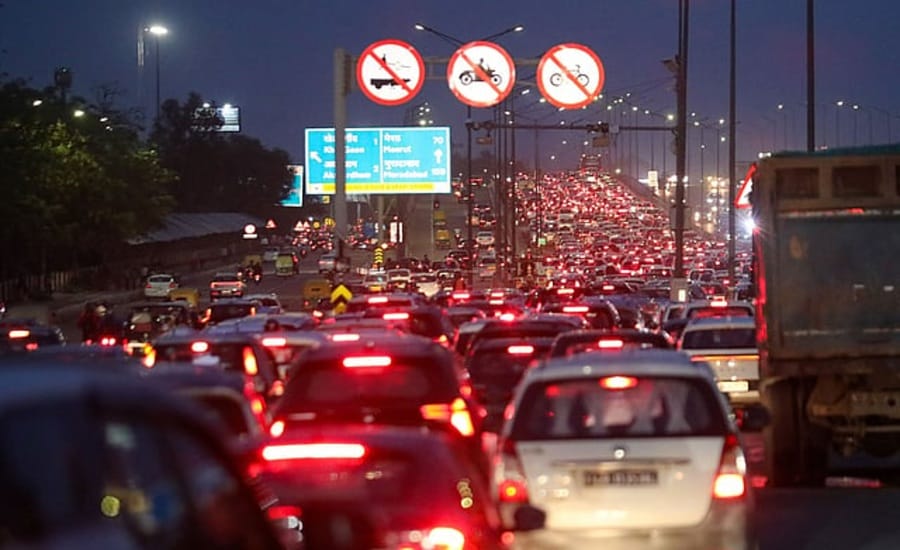
The move comes amid growing traffic pressure around Sarai Kale Khan and other important road junctions, particularly after the opening of Barapullah Phase 3. The government believes the proposed infrastructure could provide additional road capacity and help ease congestion on busy routes.
Public Works Department Minister Parvesh Singh Verma said the detailed project report (DPR) for the first package is ready and has recently received approval from the Chief Minister.
Delhi’s ₹7,000-Crore Elevated Ring Road Project
The proposed elevated Ring Road will span approximately 55 kilometres. It aims to improve traffic movement across important parts of Delhi by adding elevated road sections and new crossings over the Yamuna.
According to the government’s plan, the project will include two major flyovers over the river. These links are expected to strengthen connections between Trans-Yamuna neighbourhoods and other parts of the city, while offering additional routes for commuters.
The project also seeks to reduce pressure on existing roads that carry heavy traffic throughout the day. Better connectivity could help commuters travelling between central Delhi, east Delhi and south-eastern parts of the capital.
However, the government has not announced a complete construction schedule for the entire 55-km project. The first package has reached the detailed project report stage, while the initial stretches will receive priority.
Read Also: Delhi Launches ₹8,300 Crore Clean Air Programme with World Bank Support to Combat Pollution
Two New Yamuna Crossings to Improve Connectivity
The plan includes two important connections intended to improve traffic flow around the Yamuna and nearby road networks.
The first proposed bridge will come up near the existing Signature Bridge. It is expected to provide an additional crossing for vehicles travelling between Trans-Yamuna areas and the rest of Delhi.
The second elevated link will run from Metcalfe House to the Delhi-Noida-Direct (DND) flyway near Ashram. This connection is intended to improve movement towards one of south Delhi’s important road corridors.
Together, the two crossings could offer motorists more route options and reduce dependence on existing bridges and busy road stretches. Their wider impact will depend on how they connect with surrounding roads and how effectively traffic moves across the network.
Three Road Stretches to Get Priority
The Delhi Government plans to take up three stretches in the initial phase of the project. These sections cover key parts of the city’s road network.
- Azadpur Flyover to Hanuman Temple (ISBT): Approximately 9.5 kilometres.
- Chandgi Ram Akhara to Majnu Ka Tilla: Approximately 2.5 kilometres.
- Hanuman Temple (ISBT) to DND Flyover: Approximately 11.5 kilometres.
These stretches will form an important part of the initial work. Once completed, the elevated road is planned to connect with the Azadpur Flyover near Mukarba Chowk and the DND road, which links further to the Ashram Flyover.
The proposed connections could improve movement across northern, central and southern parts of Delhi, particularly for people who regularly use these busy corridors.
Barapullah Phase 3 Opening Adds to Traffic Pressure
The need for additional road capacity has become more pressing following the opening of Barapullah Phase 3. Officials have reported persistent traffic congestion on the Ring Road stretch around Sarai Kale Khan.
Sarai Kale Khan serves as a major link between central Delhi and the eastern and south-eastern parts of the city. The area handles traffic moving towards several important routes, making congestion there a concern for daily commuters.
The elevated Ring Road project is intended to address some of these pressure points by creating additional road links and improving traffic distribution. However, the extent of relief will depend on project execution, integration with existing roads and traffic management after the new sections open.
What the Project Could Mean for Delhi Commuters
Delhi’s growing transport needs require road infrastructure that connects major routes without adding further pressure to already crowded junctions. The proposed elevated Ring Road could help by providing alternative links for vehicles travelling between different parts of the city.
The two Yamuna crossings may prove particularly important for commuters from Trans-Yamuna areas, who depend on a limited number of major routes to reach other parts of the capital. The priority stretches could also improve connectivity around ISBT, Majnu Ka Tilla, Azadpur and the DND corridor.
For the project to deliver lasting benefits, construction timelines, traffic diversions and coordination with existing flyovers will remain important. New road capacity can improve movement, but its effectiveness will depend on how well the entire network functions together.
A Long-Term Push to Ease Delhi’s Traffic Woes
The ₹7,000-crore elevated Ring Road project represents a major proposed investment in Delhi’s road infrastructure. With the first package’s DPR ready and three stretches identified for priority, the government is seeking to move the plan forward.
The project’s eventual success will be measured by whether it reduces congestion on busy routes, improves access between Trans-Yamuna and other areas, and makes daily travel more predictable for residents.
For now, the government’s focus is on advancing the initial packages and developing new links across the Yamuna. The next key steps will be the rollout of the priority stretches and further clarity on implementation timelines.
Read Also: Delhi CM Rekha Gupta Approves 1,000 Acres of Southern Ridge for Reserved Forest Notification