New Delhi: The Netaji Subhas Chandra Bose mortal remains issue has once again come before supreme court. The Supreme Court has issued a notice on a petition filed by Anita Bose Pfaff, the daughter of Netaji Subhas Chandra Bose, seeking the return of his mortal remains from Japan to India.
The case has renewed public interest in one of the most discussed chapters of India freedom struggle and the long-standing debate surrounding Netaji’s final resting place.
Netaji Mortal Remains: Supreme Court Seeks Response on Anita Bose Pfaff’s Petition
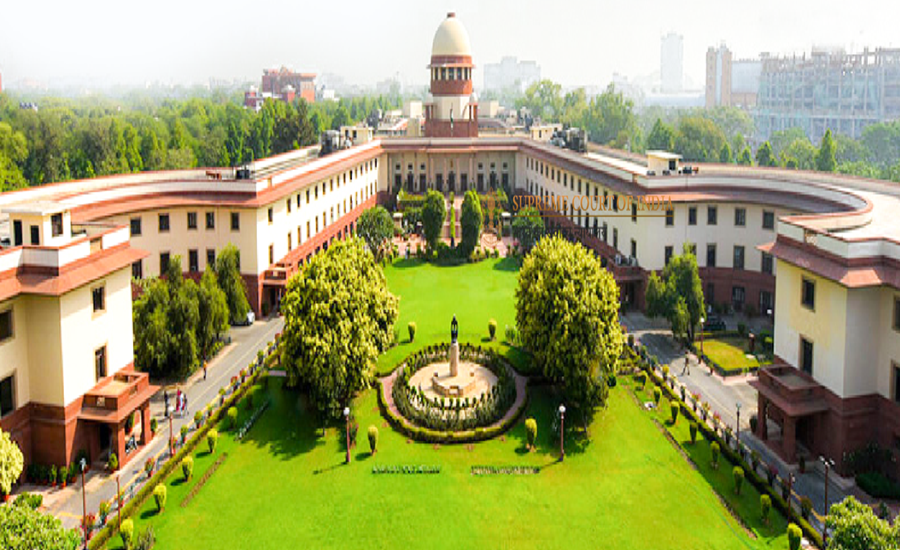
The Supreme Court has issued a notice on a petition filed by Anita Bose Pfaff, daughter of freedom fighter Netaji Subhas Chandra Bose. A bench comprising Chief Justice of India, Justice Joymalya Bagchi, and Justice K. Vinod Chandran sought responses from the concerned authorities regarding the plea. The petition asks the government to take steps to bring Netaji’s mortal remains from Japan to India and ensure their dignified repatriation.
Read also: Supreme Court Explains When Courts Can Interfere in Exam Results and Answer Key Disputes
What Does Anita Bose Pfaff Want
According to the petition, Anita Bose Pfaff has requested the court to direct the authorities to begin formal consultations with the Government of Japan. She has also sought measures to preserve and maintain the remains believed to be Netaji’s at the Renkoji Temple in Tokyo, Japan, until a final decision is taken. The plea further asks for the formation of an inter-ministerial committee to prepare a clear and time-bound plan for bringing the remains back to India.
Why Are Netaji Mortal Remains in Japan
The remains believed to be those of Netaji Subhas Chandra Bose are currently kept at Renkoji Temple in Tokyo. According to the official version accepted by several government inquiries, Netaji died following an air crash in Taihoku (now Taipei, Taiwan) on August 18, 1945. His ashes were reportedly preserved at the Japanese temple after the incident. However, questions regarding Netaji’s death and the authenticity of the remains have remained a subject of public debate for decades.
Earlier Petition Was Not Entertained
Before Anita Bose Pfaff approached the Supreme Court, a similar petition had been filed by Ashis Ray, Netaji’s grandnephew. The court did not entertain that petition and observed that Netaji’s daughter, being a direct legal heir, was better placed to pursue the matter. Following this observation, Anita Bose Pfaff filed the present petition before the apex court.
Who Is Anita Bose Pfaff
Anita Bose Pfaff is the daughter of Netaji Subhas Chandra Bose and Emilie Schenkl. She is a respected economist and academic who has taught economics in Germany.
Over the years, she has frequently spoken about preserving Netaji’s legacy and has supported efforts to resolve questions surrounding his final resting place through official and historical records.
Why Netaji Mortal Remains Case Matters
Netaji Subhas Chandra Bose remains one of India’s most respected freedom fighters. He led the Indian National Army (INA) and played a major role in India’s independence movement. For many Indians, the question of where Netaji’s mortal remains should rest is not only a legal issue but also a matter of national sentiment and historical importance.
Read also: Why Are NRC Identity Cards Still Pending? Supreme Court Seeks Answers From Centre And Assam