New Delhi: The Supreme Court has ruled that no commercial activity will be allowed inside the notified Segur Plateau Elephant Corridor in Tamil Nadu. At the same time, the Court has allowed people who lost their livelihood because of the order to approach the government for alternative livelihood support. The judgment aims to protect elephant movement while ensuring fair treatment for affected people.
What Did the Supreme Court Decide in the Segur Plateau Elephant Corridor Case
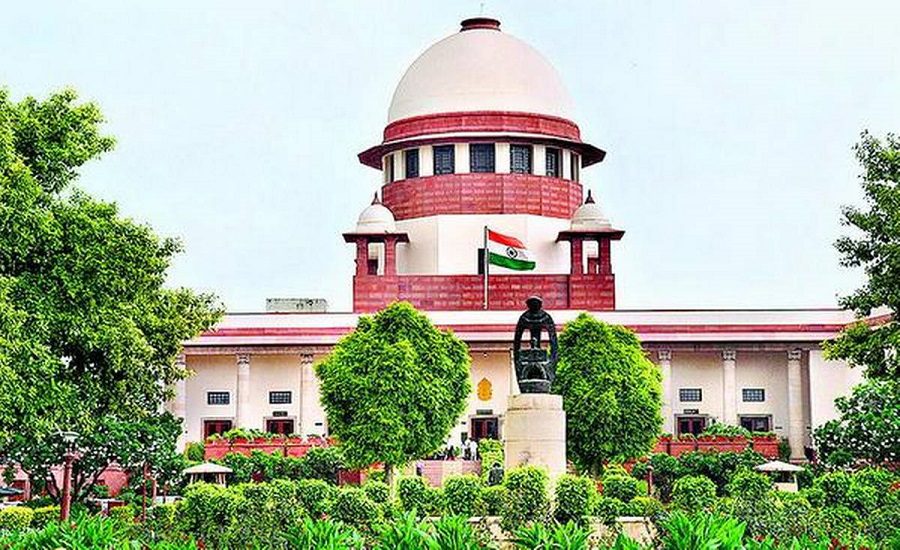
The Supreme Court dismissed a batch of petitions filed against the Madras High Court’s order related to the Segur Plateau Elephant Corridor. A Bench of Chief Justice B.R. Gavai, Justice Surya Kant and Justice Joymalya Bagchi held that all commercial activities must remain banned inside the notified elephant corridor. The Court said protecting the corridor is necessary for the free movement and long-term survival of wild elephants.
Segur Plateau Elephant Corridor Case: No Commercial Activity Allowed
The Court clearly stated that resorts, hotels, tourism businesses and any other commercial activity cannot operate inside the notified elephant corridor. The judges said commercial development can disturb elephant movement, increase human-animal conflict and damage an ecologically sensitive area. Therefore, the High Court’s conservation directions must continue.
Relief for People Who Lost Their Livelihood
While protecting wildlife, the Supreme Court also considered the concerns of affected families. The Court said people who have lost their livelihood because of the High Court’s order can request the government for alternative sources of livelihood. Such requests should be considered sympathetically by the authorities. However, the Court clarified that this relief does not allow commercial businesses to restart inside the elephant corridor.
Segur Plateau Elephant Corridor Case: Tamil Nadu Government Can Acquire Eligible Land
During the hearing, the Tamil Nadu government informed the Court that commercial activities had already been stopped and action had been taken against encroachments. The Supreme Court allowed the State to identify private land that may be acquired, provided the land is not owned or occupied by tribal communities. If any legal difficulty arises, the State can approach the Madras High Court for suitable modifications.
Why Is the Segur Plateau Elephant Corridor Important
The Segur Plateau Elephant Corridor is located in the Western Ghats of Tamil Nadu. It connects major forest areas and allows elephants to move safely between habitats. Wildlife experts consider elephant corridors essential because they:
- Maintain natural elephant migration routes.
- Reduce human-elephant conflict.
- Protect biodiversity and forest ecosystems.
- Improve the long-term survival of wild elephant populations.
Background of the Segur Plateau Elephant Corridor Case
The Tamil Nadu government issued a notification in 2010 declaring the Segur Plateau as an official elephant corridor.
In 2011, the Madras High Court upheld the notification and directed resort owners and other private landowners falling within the notified corridor to vacate the land.
The Hospitality Association of Mudumalai later challenged the decision in the Supreme Court, arguing that the notified corridor did not match historical elephant movement routes. The Supreme Court appointed a three-member inquiry committee headed by a retired High Court judge to examine objections raised by landowners.
The committee found that several land transactions involving resort owners violated legal requirements because mandatory permission for transferring private forest land had not been obtained.
What the Madras High Court Had Earlier Ruled
The Madras High Court accepted the findings of the inquiry committee and held that many landowners had received permission for residential use but later started commercial businesses. The High Court ruled that commercial activities inside the elephant corridor affected wildlife movement and therefore could not continue. However, it allowed genuine agricultural use in eligible cases and directed the Tamil Nadu government to begin land acquisition by paying compensation wherever required.
Read also: Big Environmental Move: Rajasthan HC Invokes Constitutional Duties to Safeguard Wetlands