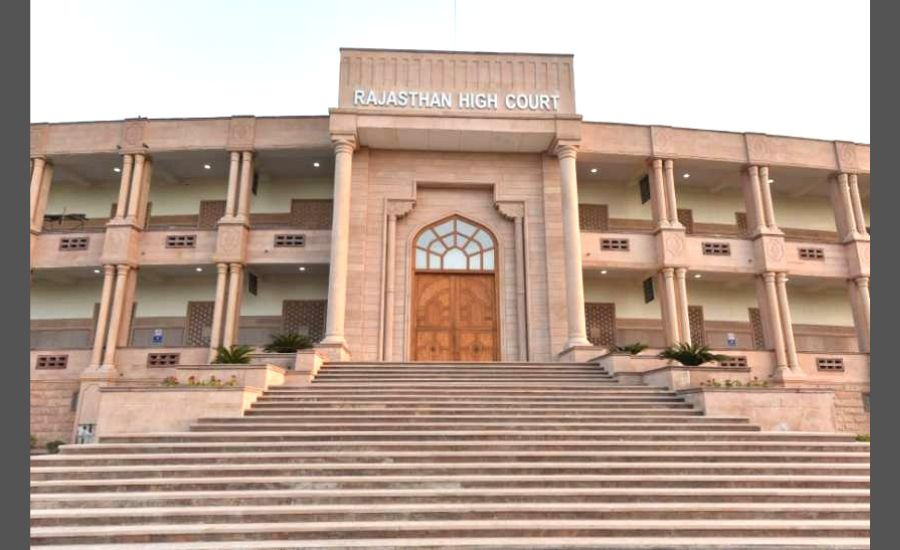
Jaipur: Rajasthan High Court Wetlands Conservation has emerged as a major environmental issue after the Rajasthan High Court took suo motu cognizance of the growing threats faced by wetlands across Rajasthan.
The court expressed concern over pollution, encroachments, sewage discharge, shrinking water spread areas, and weak conservation efforts.
The move is being seen as a significant step toward protecting Rajasthan’s fragile wetland ecosystems and safeguarding environmental rights guaranteed under the Constitution.
Details of Rajasthan High Court Wetlands Conservation
A Division Bench of the Rajasthan High Court, comprising Justice Pushpendra Singh Bhati and Justice Rekha Borana, initiated suo motu proceedings after taking note of the deteriorating condition of wetlands in different parts of Rajasthan.
The court observed that:
- Wetlands are facing severe ecological pressure.
- Illegal encroachments are reducing wetland areas.
- Untreated sewage and waste are polluting water bodies.
- Conservation measures have not been adequately implemented.
- Immediate intervention is required to prevent irreversible damage.
What is the Importance of Wetlands
Wetlands are among the most productive ecosystems in the world.
They help in:
- Groundwater recharge
- Flood control
- Water purification
- Climate regulation
- Biodiversity conservation
- Supporting migratory birds and wildlife
In Rajasthan, wetlands play a particularly important role because of the state’s arid and semi-arid climate. Loss of wetlands can worsen water scarcity and ecological imbalance.
Rajasthan High Court Wetlands Conservation: Constitutional Principles Highlighted by the Court
The High Court emphasized several constitutional provisions:
Article 21 – Right to Life
The court noted that the right to life includes the right to a clean and healthy environment.
Article 48A
This Directive Principle directs the State to protect and improve the environment and safeguard forests and wildlife.
Article 51A(g)
This fundamental duty requires citizens to protect and improve the natural environment.
Public Trust Doctrine
The court reiterated that natural resources such as wetlands are held in trust by the government for public use and future generations.
Major Threats Identified
The court highlighted several threats affecting wetlands across Rajasthan:
1. Encroachments
- Illegal occupation of wetland land.
- Construction activities near sensitive ecosystems.
- Conversion of wetland areas for commercial purposes.
2. Pollution
- Discharge of untreated sewage.
- Industrial effluents entering water bodies.
- Solid waste dumping.
3. Shrinking Water Spread
- Reduced water availability.
- Land reclamation activities.
- Climate-related stress.
4. Weak Enforcement
- Delays in implementing Wetland Rules.
- Lack of proper monitoring.
- Inadequate conservation planning.
Immediate Directions Issued
The High Court directed concerned authorities to:
- Take urgent protective measures.
- Prevent further encroachments.
- Monitor pollution sources.
- Strengthen conservation efforts.
- Submit reports regarding the status of wetlands.
The court made it clear that environmental protection cannot be delayed when ecological resources are under threat.
Background: Growing Focus on Wetland Conservation
The issue of wetland protection has received increasing attention from courts and environmental bodies.
Recent developments include:
- National Green Tribunal directions on wetland demarcation and protection.
- Judicial scrutiny of activities around environmentally sensitive areas such as Sambhar Lake.
- Supreme Court emphasis on environmental rights and ecological restoration.