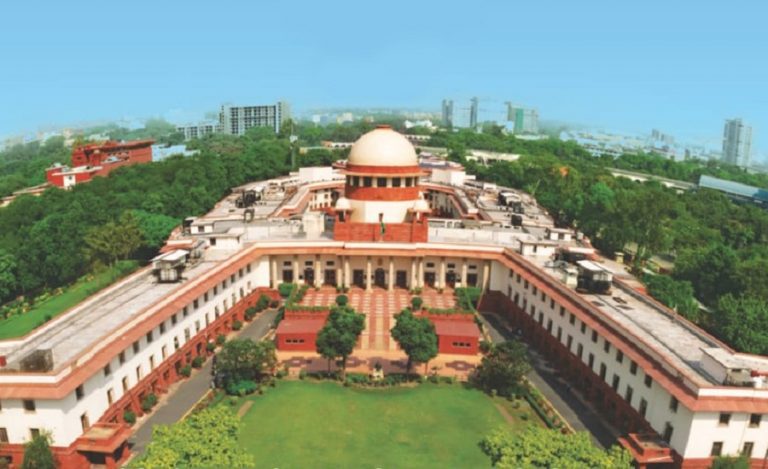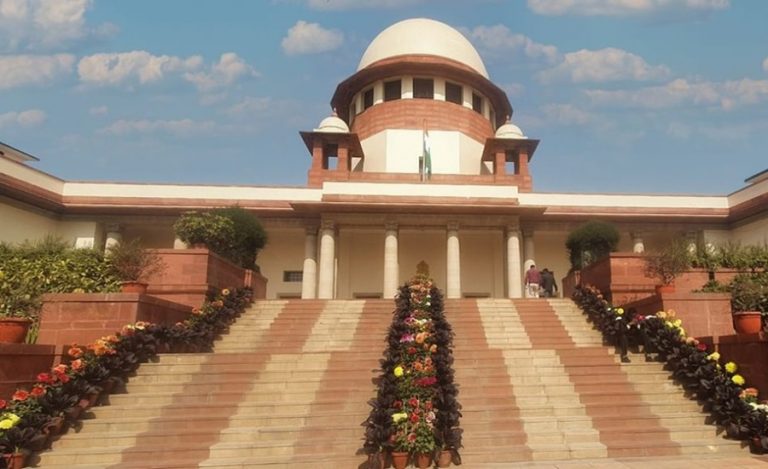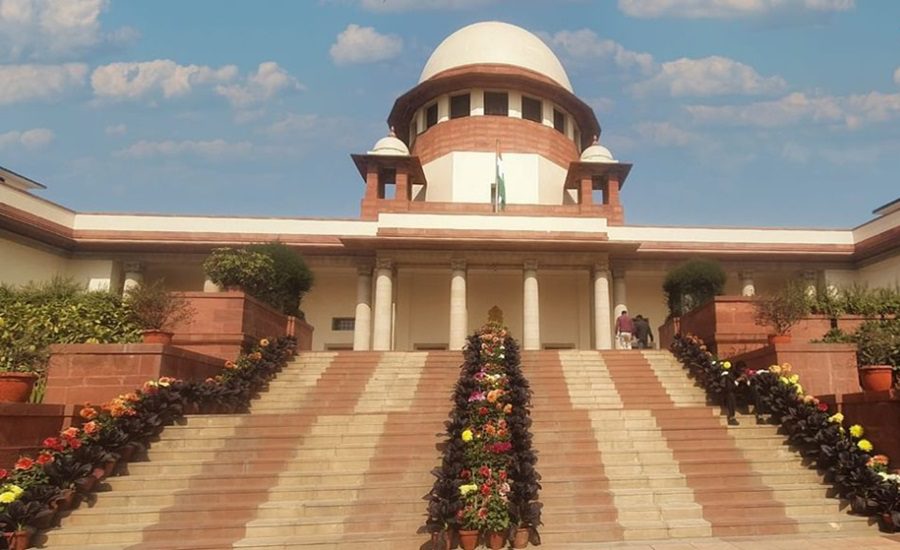
New Delhi: The Shenbagavalli Weir dispute has brought attention to a long-running water and irrigation issue between Kerala and Tamil Nadu. On November 21, 2026, the Supreme Court refused to entertain a petition seeking directions for the restoration of the Shenbagavalli Weir and Kanyamadugu Channel.
The petitioner wanted both state governments to work together to restore the damaged irrigation system. However, the Court said it could not issue a direction forcing a government to initiate legal proceedings under the Inter-State River Water Disputes Act, 1956.
Why Did The Supreme Court Reject The Shenbagavalli Weir Dispute Petition
A three-judge bench comprising Chief Justice of India Surya Kant, Justice Joymalya Bagchi and Justice V Mohana heard the matter.
Read also: Adopted Children To Be Recorded As Sons And Daughters: Kerala High Court
The petitioner, Ananthan Ayyasamy, requested the Court to direct Tamil Nadu to approach the Central Government under Section 3 of the Inter-State River Water Disputes Act, 1956.
The aim was to refer the water dispute to an Inter-State River Water Disputes Tribunal if both states failed to reach an agreement. However, Justice Joymalya Bagchi observed that the Supreme Court could not issue a mandamus to initiate litigation.
The Court also suggested that the petitioner approach the Tamil Nadu government. After hearing the submissions, the bench declined to entertain the petition.
What Is The Shenbagavalli Weir Dispute
The Shenbagavalli Weir is an old water-diversion structure located in the Idukki district of Kerala, near the Tamil Nadu border.
It was built where two streams, Puliampattithodu and Chokkampattithodu, meet in the Periyar Tiger Reserve.
The structure was designed to divert water into the Kanyamadugu Channel. This channel carries water towards irrigation tanks in the Sivagiri region of Tamil Nadu.
The irrigation system is believed to have been constructed in the 18th century. It once played an important role in supplying water to agricultural land in the region. However, repeated floods damaged the structure and affected its functioning over several decades.
Why Has The Restoration Work Remained Pending
The restoration of the Shenbagavalli Weir has remained a difficult issue because the structure is located inside the Periyar Tiger Reserve.
Its location raises environmental concerns and creates a need for necessary permissions from the concerned authorities.
Although the structure is situated in Kerala, farmers in Tamil Nadu are among its main beneficiaries. This has made cooperation between the two state governments important for any restoration plan.
What Did The Petitioner Demand in Shenbagavalli Weir Dispute
The petitioner, Ananthan Ayyasamy, requested the Supreme Court to direct Kerala and Tamil Nadu to hold joint discussions.
He wanted both governments to develop a suitable plan for restoring the Shenbagavalli Weir and repairing the Kanyamadugu Channel up to the Tamil Nadu border.
He also proposed an alternative solution. If both states failed to reach an agreement within a time limit set by the Court, Tamil Nadu should be directed to approach the Central Government under Section 3 of the 1956 Act. However, the Supreme Court did not accept these requests.
What Does Section 3 Of The Inter-State River Water Disputes Act, 1956 Say
Section 3 of the Inter-State River Water Disputes Act, 1956, provides a mechanism through which a state government can request the Central Government to refer an inter-state river water dispute to a tribunal.
Such a request can be made when the state believes that a water dispute exists or is likely to arise and that its interests or those of its residents may be affected.
In this case, the petitioner wanted Tamil Nadu to use this legal provision to seek a formal resolution of the dispute. However, the Supreme Court declined to direct the state government to initiate that process.
Read also: Should Juvenile Age Be Reduced To 16? Kerala High Court’s Observation
FAQs
The Shenbagavalli Weir is located in the Periyar Tiger Reserve in Idukki district of Kerala, near the Tamil Nadu border.
The Supreme Court declined to entertain the petition because it could not issue a mandamus directing the Tamil Nadu government to initiate legal proceedings under the Inter-State River Water Disputes Act, 1956.
The Kanyamadugu Channel carries diverted water towards irrigation tanks in the Sivagiri region of Tamil Nadu, helping supply water to agricultural land.