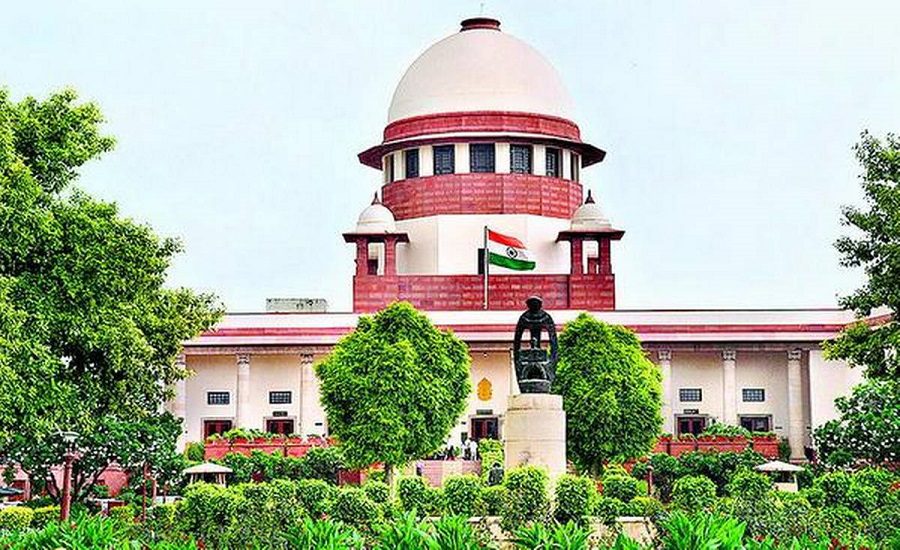
New Delhi: The Supreme Court gives States 3 months to frame media briefing policies for criminal cases, directing all states to adopt clear guidelines on how police communicate with the press during ongoing criminal investigations.
This directive aims to prevent media trials, protect privacy, and ensure fair investigations.
Why the Supreme Court Took Action on Media Briefing Policies for Criminal Cases
The Supreme Court of India recently ordered all state governments to prepare media briefing policies for criminal cases within three months.
The Court is concerned that unregulated police interactions with journalists can cause media trials, leak sensitive information, and even prejudice ongoing investigations.
The bench, led by Justices M.M. Sundresh and N. Kotiswar Singh, expressed disappointment that earlier directions to act in this area were ignored by many states.
The Origin of the Order
This move stems from a long-running legal battle that began in the late 1990s. Public interest petitions were filed by the People’s Union for Civil Liberties (PUCL) challenging alleged fake police encounters and calling for better regulation of how police communicate with the media.
While the Supreme Court issued guidelines on police encounters in 2014, the question of media communication remained unresolved. The latest order now seeks to close that gap.
Media Briefing Policies for Criminal Cases: What States Must Do
The Supreme Court has given all states three months from the date they receive the order to:
- Draft a comprehensive media briefing policy
- Base it on a detailed Police Manual for Media Briefing
- Ensure the policy balances public information with investigation integrity and privacy rights
The Court also asked that the manual prepared by the amicus curiae (court-appointed expert) — Senior Advocate Gopal Sankaranarayanan — be uploaded on the Supreme Court website for reference.
What the Police Manual Says
The manual is a 60-plus page document offering a structured set of guidelines about what information can be shared at various stages of criminal proceedings. These include:
- What may be disclosed before and after a First Information Report (FIR)
- Communication protocols during investigation and arrest
- How to avoid revealing witness identities or details that may prejudice a fair trial
Its goal is to help police departments communicate effectively without compromising ongoing cases or violating the privacy of victims and accused persons.
Key Concerns Behind the Order
The Supreme Court highlighted several pressing reasons behind the directive:
1. Avoiding Media Trials
Unstructured communication can lead reporters to jump to conclusions, creating a perception of guilt before the trial begins. This may unfairly influence public opinion and the legal process.
2. Protecting Privacy
Sensitive details about victims, especially in cases of sexual violence, can damage personal privacy and dignity. Clear policies are expected to prevent such disclosures.
3. Safeguarding Fair Investigations
Premature comments by officials can affect witness testimony, legal rights, and the justice process. A structured approach protects both the investigation and the rights of all parties.
What Happens Next
Once states draft their media briefing policies, they must notify and publish them so that police departments can implement these guidelines uniformly. The Supreme Court’s move intends to bring consistency across India in how criminal cases are discussed with the public and press.
This decision marks an important step in balancing freedom of information with fair trial rights and privacy protections.
Read also: Who Can Investigate Corruption Cases Against Central Officers? Supreme Court Explains the Law