Kolkata: West Bengal SIR remains under judicial scrutiny as the Supreme Court has asked the Election Commission of India (ECI) to provide detailed data on appeals related to the exclusion and inclusion of voters in the state’s electoral rolls.
The Court is reviewing concerns arising from the Special Intensive Revision (SIR) process and wants a complete picture of pending and disposed appeals before appellate tribunals. The information sought is aimed at ensuring transparency, protecting voting rights, and speeding up the appeal process.
West Bengal SIR Row: Supreme Court Seeks Detailed Data From ECI
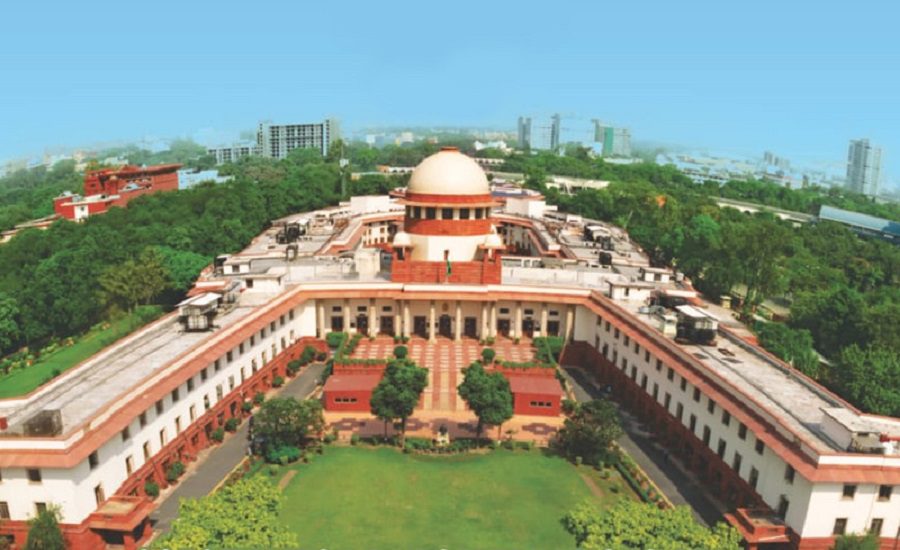
The Supreme Court directed the ECI to submit a detailed break-up of appeals filed before appellate tribunals created to hear complaints related to the West Bengal Special Intensive Revision process. A Bench led by Chief Justice of India Surya Kant, along with Justices Joymalya Bagchi and V Mohana, heard petitions seeking faster disposal of voter-related appeals.
Read also: From Article 370 Removal to Ram Mandir: Who is Gyanesh Kumar, India’s Chief Election Commissioner?
Information Sought By The Court
The Court asked the ECI to provide details on:
- Number of appeals still pending before appellate tribunals.
- Number of appeals already disposed of.
- Nature of relief sought in those appeals.
- Appeals related to voter exclusion and inclusion.
- Number of appeals allowed by tribunals.
- Steps taken to update electoral rolls after tribunal decisions.
- Measures being implemented to speed up disposal of pending cases.
West Bengal SIR Row: Concerns Over Large Number Of Pending Appeals
Petitioners informed the Court that a huge number of appeals are still awaiting disposal before the appellate tribunals. They argued that delays could affect citizens whose names were removed from voter lists.
According to submissions made before the Court, millions of appeals have been filed following the SIR exercise, making timely disposal a major challenge.
Petitioners Seek Priority For Excluded Voters
Senior advocates representing petitioners argued that appeals filed by voters whose names were removed from electoral rolls should receive priority. They stated that individuals who have lost their voting rights face immediate consequences if their appeals are not decided quickly, especially with future local body and Panchayat elections approaching.
Supreme Court Wants Appeals Decided Before 2029 Elections
The Bench observed that the SIR process should reach completion and all pending appeals should ideally be decided before the next parliamentary elections in 2029. The Court also asked the ECI to suggest changes that could streamline tribunal functioning and reduce delays in the appeal process.
Court Focuses On Electoral Roll Updates
Judges emphasized that decisions made by appellate tribunals should be reflected in electoral rolls without unnecessary delay. The Court wants clarity on how voter lists are being updated after successful appeals are allowed.
West Bengal SIR Row: ECI Assures Court Of Efforts To Improve Process
Representing the Election Commission, senior counsel informed the Court that discussions are underway with appellate tribunals to improve the system. The Commission is reportedly examining technical and procedural changes that can help speed up disposal of appeals and improve overall efficiency.
Possible Changes Under Consideration
The ECI informed the Court that certain modifications to the digital architecture and processing system are being examined. These changes are expected to help tribunals handle appeals more efficiently and reduce pending cases.
Why The West Bengal SIR Row Is Significant
The Special Intensive Revision exercise has become one of the most closely watched electoral issues in West Bengal. The revision process led to disputes over voter inclusion and exclusion, resulting in a large number of appeals before appellate tribunals. The matter has raised concerns regarding voter rights, electoral transparency, and timely grievance redressal.
Impact On Future Elections
Petitioners argued that delayed decisions could influence future elections, particularly where victory margins are narrow. They stressed that eligible voters should not lose their opportunity to vote because of procedural delays.
Read also: Can Bihar Reservation Act Decide Bihar Mukhiya Elections? Patna High Court Answers
FAQs
The Court wants detailed information about pending and disposed appeals related to voter exclusion and inclusion to ensure transparency and timely resolution of voter grievances.
The Special Intensive Revision (SIR) is an exercise conducted by the Election Commission to revise and update electoral rolls by verifying voter records and removing ineligible entries.
The Court indicated that the SIR process and related appeals should ideally be completed before the next parliamentary elections scheduled in 2029.