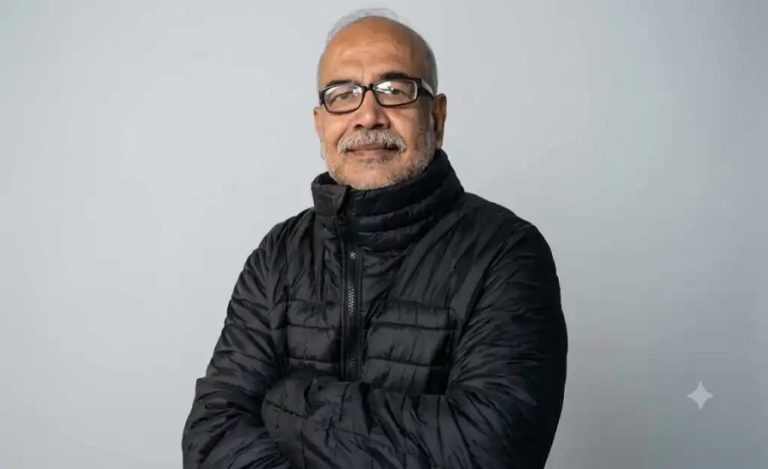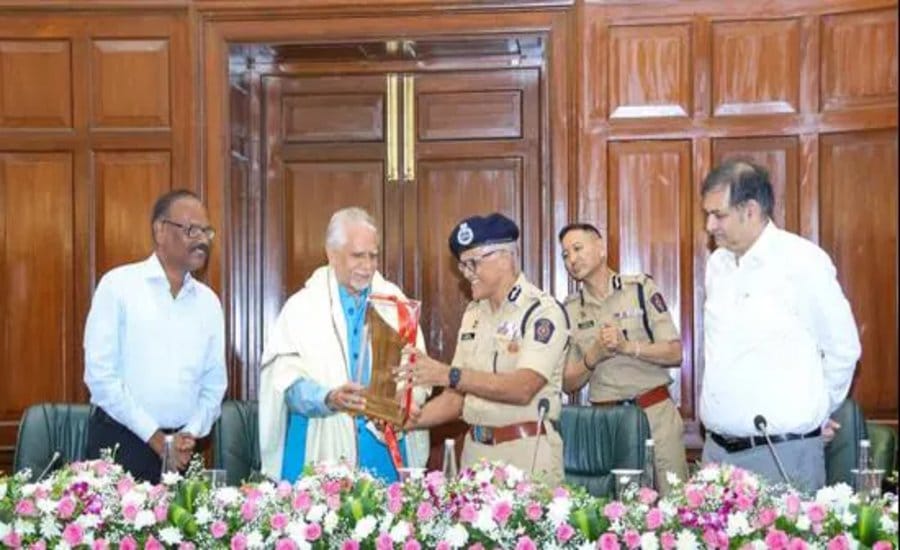
Mumbai: Maharashtra Police felicitated former 1980-batch IPS officer K.P. Raghuvanshi, who founded the elite C-60 commando unit to combat Maoist activity in Gadchiroli, at a function held at the state police headquarters. The event also honoured other officers who served in Gadchiroli and remembered the families of 244 police personnel who died during the anti-Maoist struggle.
Raghuvanshi was honoured by Maharashtra DGP Sadanand Date for his contribution to the fight against Maoism in the Gadchiroli region. The felicitation comes months after government records indicated that Gadchiroli became free from armed Maoist cadres in May 2026.
K.P. Raghuvanshi Founded C-60 in 1990
Raghuvanshi founded C-60 on December 1, 1990, when he was serving as Superintendent of Police in Gadchiroli.
The move came at a time when conventional policing faced serious challenges in the district. Gadchiroli had extensive forest cover, difficult terrain and Maoist activity along the Maharashtra-Telangana border. Landmines and improvised explosive devices also posed major risks to security personnel.
According to police officials cited in the report, Raghuvanshi responded by creating a specialised force made up of local personnel familiar with the terrain and tribal languages, including Gondi and Madiya. The original unit consisted of 60 commandos.
The approach was intended to allow police personnel to operate more effectively in the same difficult terrain where Maoist groups were active.
From 60 Commandos to Multiple Operational Teams
The C-60 force expanded over the years. In 1994, a second batch of commandos was created for South Gadchiroli, carrying the motto “Veerbhogya Vasundhara”, which translates to “The Brave Win the Earth.”
Today, according to the police officer quoted in the report, C-60 has 29 teams with 961 personnel in Gadchiroli. It also has nine teams comprising 166 personnel in Gondia.
The force is supported by a wider operational network that includes:
- 164 drones
- 64 mine-protected vehicles
- 20 bomb detection and disposal squads
- 17 dog squads
The expansion reflects how the specialised unit has developed from a 60-member local commando force into a larger counter-insurgency structure operating across difficult forest and border areas.
Why C-60 Was Created
The origins of C-60 are closely connected to the growth of Maoist activity in Gadchiroli during the 1980s.
An armed Maoist squad, or dalam, began entering southern Gadchiroli from the Telangana region in the early 1980s. After the creation of Gadchiroli district in 1982 following the division of Chandrapur district, the area had limited administrative infrastructure and widely scattered tribal settlements.
The report noted that Maoist groups exploited local grievances, including disputes involving tendu leaf-picking wages and forest rights.
By 2009, the situation had expanded considerably. According to the figures cited by the police, two companies, four platoons and nine dalams comprising 379 armed Maoists were active in Gadchiroli, while another 57 Maoists were active in Gondia.
The district’s reported 76% dense forest cover, difficult terrain, landmines and IEDs made conventional policing particularly challenging.
C-60 Trained for Difficult Forest Operations
C-60 commandos are trained to operate in challenging environments, including dense forests and hilly terrain.
According to the report, personnel receive training at specialised institutions including the National Security Guard campus in Manesar, Police Training Centre in Hazaribagh, Jungle Warfare College in Kanker and Unconventional Operation Training Center in Nagpur.
The focus on specialised training reflects the nature of operations in Gadchiroli, where security personnel have had to operate in difficult terrain while dealing with threats such as ambushes, landmines and IEDs.
Former IPS officer Raghuvanshi has also previously described the importance of recruiting local tribal personnel who understood the terrain and language while developing C-60.
Police Report Hundreds of Maoists Killed, Arrested or Surrendered
According to figures cited by Maharashtra Police, anti-Maoist operations in the state have resulted in 363 Maoists being killed, 558 arrested and 861 surrendering.
The campaign has also involved a heavy human cost. The report states that 244 police officials and personnel died in action, while 609 civilians were killed in the conflict involving Maoist extremism.
These figures are presented in the current report as police/government figures from the long-running anti-Maoist campaign.
Gadchiroli Reaches a Major Milestone
The latest development comes against the backdrop of a major change in the security situation in Gadchiroli.
Government records cited in the report indicate that the district became free from armed Maoism in May 2026. Maharashtra Police has linked the development to the cumulative impact of operations carried out over several decades, with C-60 playing a significant role in the campaign.
The current status marks a significant shift from the period when Maoist groups operated extensively in the region and conventional policing faced major limitations.
Raghuvanshi Thanks Maharashtra Police
Following the felicitation, Raghuvanshi expressed gratitude to the Maharashtra Police for honouring him.
The event also recognised the contribution and sacrifice of police personnel who served in Gadchiroli. Special gratitude was expressed to the families of the 244 police officials and personnel who lost their lives during the anti-Maoist struggle.
The story of C-60 also highlights how a specialised police unit created with an initial strength of 60 commandos evolved into a much larger force over more than three decades. Its development remains closely associated with the changing nature of counter-insurgency policing in Maharashtra’s forested and border regions.