Bhopal: Madhya Pradesh is expanding its farmer welfare strategy beyond crop cultivation, with the state government planning to provide 10 hours of daytime electricity for irrigation from the upcoming Rabi season and promote livestock, dairy, poultry and goat rearing as additional sources of rural income.
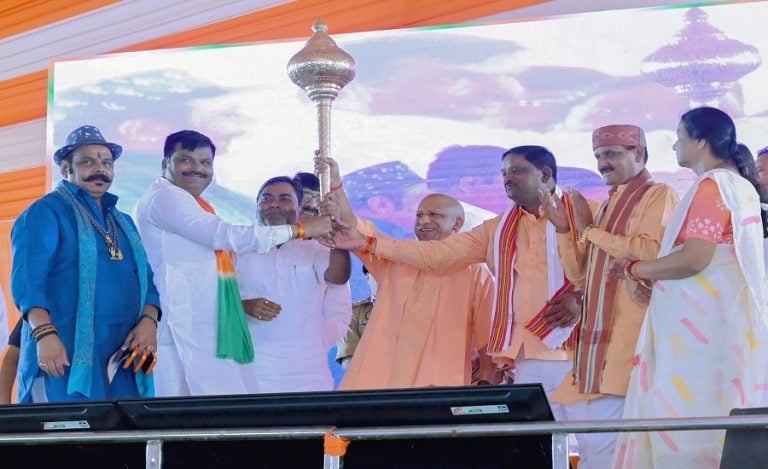
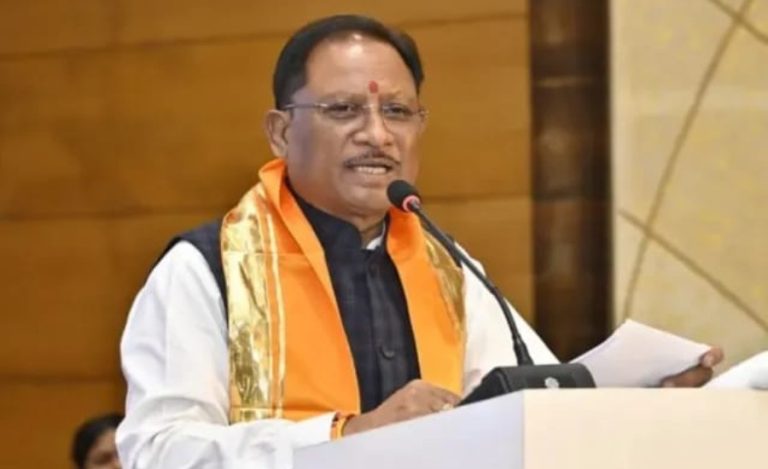
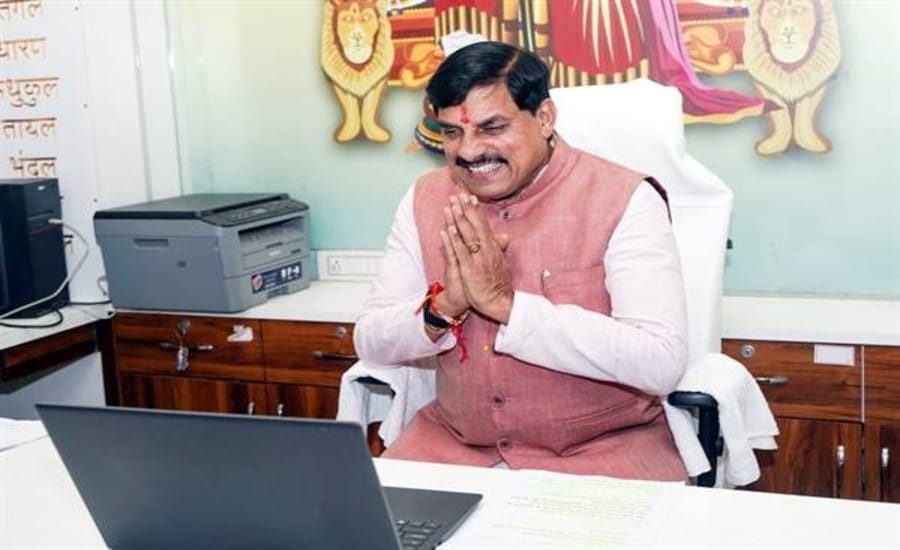
Chief Minister Dr Mohan Yadav outlined the measures while virtually addressing the Balram Krishi Mahotsav organised in Maihar from Neemuch. He said improving farm power supply, expanding allied agricultural activities and creating better markets for farm produce are part of the broader effort to strengthen farmers’ incomes.
The state is observing 2026 as Kisan Kalyan Varsh, with agriculture, rural economy and income enhancement among its stated priorities. The state’s agriculture-related planning also places emphasis on livestock, dairy, fisheries, food processing and value addition as alternative and complementary income opportunities for farmers.
Daytime Power for Irrigation From Next Rabi Season
One of the key announcements at the Maihar event was the plan to provide farmers with 10 hours of electricity for irrigation during the daytime from the next Rabi crop season.
The move is aimed at reducing the difficulties farmers face while irrigating fields at night. Reliable daytime power can also make farm operations easier to manage and reduce the risks associated with working in agricultural fields during late hours.
Dr Yadav said strengthening and improving the electricity system would support agricultural activity and contribute to better household incomes in rural areas.
The state already operates schemes and programmes aimed at improving electricity access for agricultural consumers, including the Mukhyamantri Krishak Mitra Yojana, under which infrastructure is developed for permanent agricultural pump connections.
Read Also: Madhya Pradesh: Indore-Budni Rail Link to Bring Faster Connectivity to Narmadapuram
Livestock to Become an Additional Income Source
The government is also looking beyond traditional crop farming to improve the Madhya Pradesh farmer income landscape.
Dr Yadav said livestock rearing, poultry, goat farming and dairy production are being encouraged alongside agriculture. A special campaign is also being undertaken to increase milk production.
For small and marginal farmers, these activities can provide an additional source of income rather than keeping earnings dependent only on seasonal crops. The state’s Kisan Kalyan Varsh framework also identifies dairy production, animal husbandry, fisheries, horticulture and food processing as areas for creating alternative and sustainable income opportunities.
The Chief Minister also highlighted the role of animal husbandry and cow rearing in strengthening the rural economy.
Paddy Procurement and Better Returns for Farmers
The state government is preparing for paddy procurement so that farmers do not face unnecessary difficulties while selling their produce.
According to the announcement, paddy will be procured from farmers at the Minimum Support Price (MSP). The government also said it is working towards providing farmers better returns beyond the MSP framework, including bonuses and other benefits wherever applicable.
The focus is therefore not limited to production but also extends to the price farmers receive for their produce.
This approach becomes important as higher farm output does not automatically translate into higher household income unless farmers have access to suitable markets, value addition and better returns.
Narmada Water and Sleemanabad Tunnel
Water availability is another important part of the agricultural development plan discussed at the event.
Dr Yadav said the upcoming Sleemanabad Tunnel would improve water availability and provide fresh momentum to agricultural activities in the region. He also referred to the government’s resolve to bring Narmada water to Maihar, describing it as an important step for the area.
Improved irrigation infrastructure, combined with reliable electricity, can support farmers in expanding cultivation and adopting more intensive agricultural practices.
Maihar to Get Food Processing Park
The government is also looking at agriculture beyond the farm gate through food processing and value addition.
Dr Yadav highlighted the cultivation of crops such as tomatoes and bitter gourd using modern technology and innovation. Under the One District One Product (ODOP) approach, agricultural products are being promoted with a focus on improving production and market opportunities.
A food processing park is also proposed in Maihar to support farmers’ income growth.
Such facilities can create opportunities for processing agricultural produce locally instead of selling it only as raw produce. They can also support local employment and related rural businesses.
Tourism and Rural Economy in Maihar
Agriculture is not the only area being linked with Maihar’s economic development.
The Chief Minister said the district’s religious and tourism significance is being developed through projects such as Maa Sharda Lok and the Mukundpur White Tiger Safari. The aim is to increase tourism while creating employment and economic opportunities for local communities.
The government has said that greater tourist activity should also benefit local farmers and rural residents through demand for products and services.
Education and Employment for Rural Youth
The government also highlighted education and employment opportunities for young people.
Dr Yadav referred to Sandipani Schools, through which the government aims to provide better education and modern facilities in government schools. He said expanding employment opportunities alongside education remains a priority.
At the Balram Krishi Mahotsav, progressive farmers were also encouraged to adopt modern agricultural technologies and organic farming practices and make greater use of government welfare schemes.
Schemes and Services Showcased at the Mahotsav
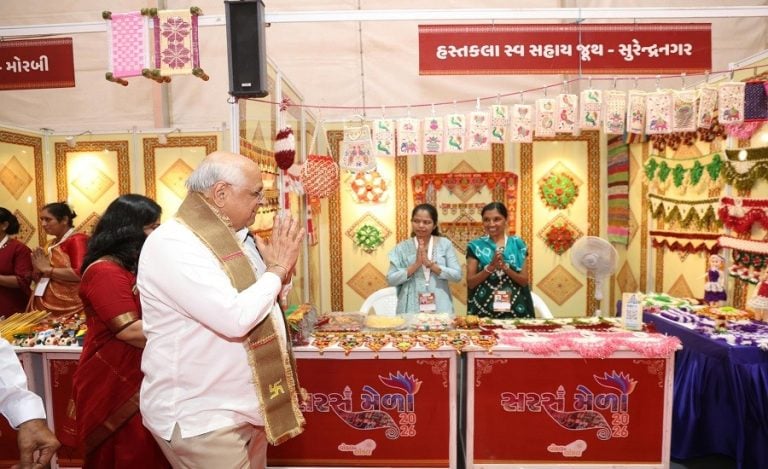
Various government departments put up exhibitions during the event to inform farmers about schemes and services.
These included zero-interest crop loans, Mukhyamantri Matsya Samriddhi Yojana, the Pradhan Mantri Formalisation of Micro Food Processing Enterprises programme, financial literacy initiatives, advanced animal breeding, Nandi Shala and livelihood product exhibitions and sales.
Information was also provided on schemes of the Health Department and the Department of Empowerment of Persons with Disabilities.
Progressive farmers and meritorious students from farming families were felicitated during the programme.
A Wider Push for Rural Income
The announcements at Maihar reflect a broader approach to agricultural development in Madhya Pradesh—one that combines farm production, irrigation, electricity, livestock, food processing, tourism and rural employment.
For farmers, the focus on daytime irrigation power and additional income activities could reduce dependence on a single crop-based income source. At the same time, proposed infrastructure such as the food processing park and improved water availability could create more opportunities for value addition and local economic activity.
As Madhya Pradesh continues its Kisan Kalyan Varsh programme, the emphasis is increasingly being placed not only on growing crops but also on creating a wider rural economy around agriculture and allied sectors.
Read Also: Madhya Pradesh’s Neemuch Gets a Triple Boost: Airport, Stadium & 3.5 Lakh Jobs