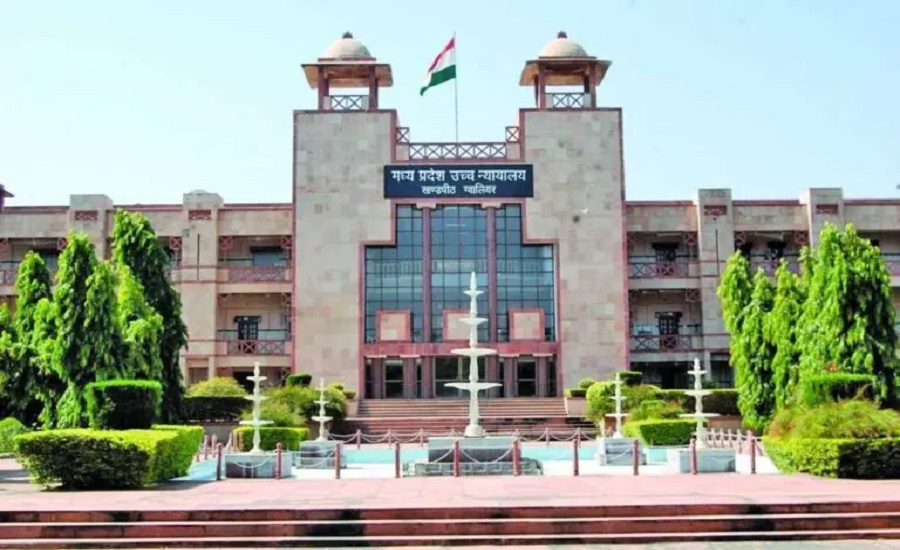
Bhopal: The MP High Court illegal mining case has drawn strong criticism from the Madhya Pradesh High Court after it found that an IAS officer passed an order without properly verifying facts. Calling the act “unfortunate,” the court emphasized that administrative officers must apply their mind before making decisions.
The case highlights serious concerns about accountability in government actions, especially in matters related to illegal mining.
Details of MP Illegal Mining Case
The Madhya Pradesh High Court strongly criticized an IAS officer for issuing an order in an illegal mining matter without proper examination of facts.
The court observed that the officer acted mechanically and failed to carefully verify the details before passing the decision.
This raised serious questions about the fairness and legality of administrative actions taken in such sensitive matters.
MP High Court Directives on MP Illegal Mining Case
The High Court clearly stated that:
- The order was passed without application of mind
- The officer did not properly check facts or evidence
- Such careless actions can harm justice and public trust
The court termed the situation as “unfortunate” and stressed that officers holding important positions must act responsibly.
Costs Imposed on the Officer
To ensure accountability, the court imposed monetary costs on the IAS officer. This step was taken to send a clear message that negligence in decision-making will not be tolerated.
The court also highlighted that administrative authorities must follow due process and act fairly.
What is the Importance of MP High Court Directives on MP Illegal Mining Case
The judgment underlines a key principle:
Government officials must verify facts before passing orders
Failing to do so can lead to:
- Wrong decisions
- Legal complications
- Loss of public trust
The court emphasized that orders should not be passed in a routine or casual manner, especially in cases involving illegal activities like mining.
Illegal Mining: A Serious Concern
Illegal mining remains a major issue in many parts of India, including Madhya Pradesh.
It leads to:
- Environmental damage
- Loss of government revenue
- Law and order problems
Because of its serious impact, courts expect strict and careful handling of such cases.