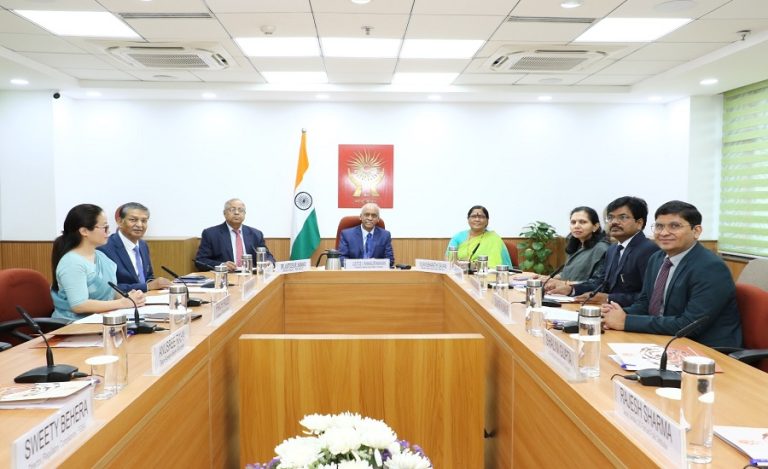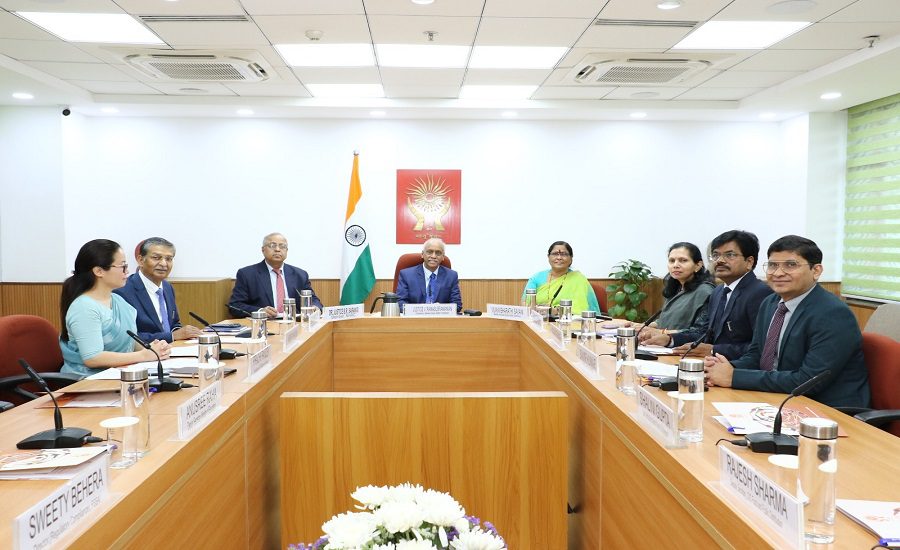
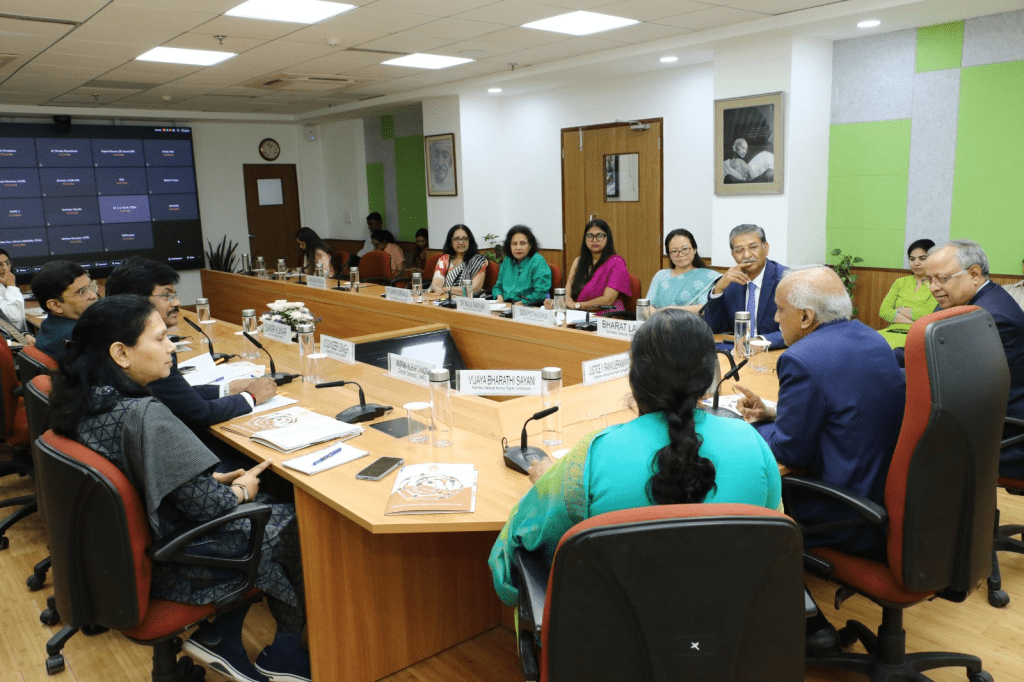
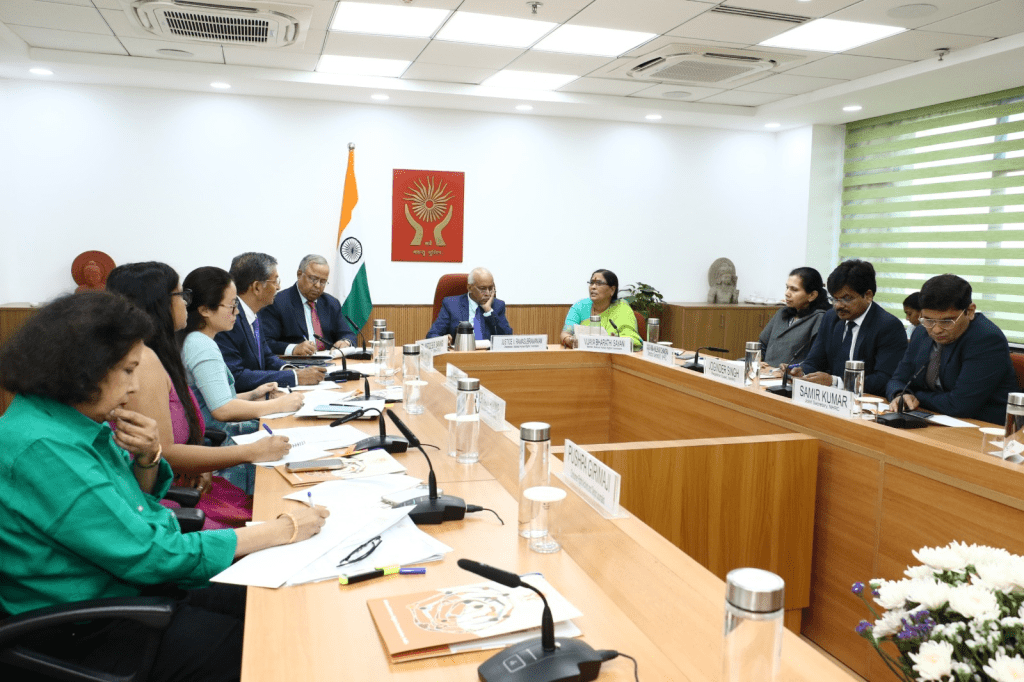
New Delhi: The National Human Rights Commission (NHRC), India organized a hybrid meeting of the Core Group on Right to Food and Nutrition, focusing on “Tackling Food Adulteration in India: Understanding the Scale, Challenges and Reforms.” The meeting, chaired by NHRC Chairperson Justice V. Ramasubramanian, brought together government officials, human rights defenders, consumer activists, academics, and domain experts to discuss actionable solutions to combat food adulteration.
Emphasis on Right to Healthy Living
Justice V. Ramasubramanian highlighted the constitutional right of every citizen to live a healthy and disease-free life. He traced the evolution of India’s food safety laws from the Madras Prevention of Adulteration Act 1918 to the Food Safety and Standards Act 2006, noting persistent challenges in curbing adulteration.
He expressed concern over outdated cases under the Prevention of Food Adulteration Act 1954 and stressed that while testing infrastructure exists, effectiveness and maintenance remain major issues. The Chairperson urged stakeholders to move beyond statistics and focus on the real-life impact of adulterated food on health.
Public Awareness and Multi-Level Action
NHRC Member Justice (Dr.) Bidyut Ranjan Sarangi called for widespread public awareness about food safety, citing excessive pesticide use and the need for grassroots education for farmers.
NHRC Member Vijaya Bharathi Sayani recommended a multi-level special task force to combat adulteration, alongside mobile food testing in schools and public places, strict enforcement with fines, 24/7 helplines, and inclusion of food safety in school curricula.
Secretary General Bharat Lal highlighted the serious threat of food adulteration, especially to vulnerable groups like children, pregnant women, and the elderly. He emphasized the urgency of ensuring safe and nutritious food for all.
Government and Expert Perspectives
Rajit Punhani, CEO of FSSAI, stressed filling vacant positions in state food authorities to improve monitoring. Ms. Anusree Raha from the Department of School Education suggested community involvement and using school labs for food testing.
Experts such as Dr. Richa Kumar (IIT Delhi) and Prof. Bejon Mishra called for farm-level monitoring, banning hazardous chemicals, and ensuring transparency in testing. Ms. Pushpa Girimaji, consumer rights activist, recommended a national study on adulteration-prone materials and regions.
Key Recommendations Discussed
During the meeting, several actionable suggestions emerged:
- System-wide reforms: Map the food lifecycle, identify contamination points, and integrate scientific monitoring.
- Citizen participation: Encourage transparency and accountability in food safety systems.
- Public awareness campaigns: Educate consumers, reduce wastage, and address misconceptions.
- Technology-driven solutions: Develop cost-effective AI tools for real-time monitoring and tamper-proof traceability.
- Capacity building: Train stakeholders, include food safety education in schools, and promote digital grievance reporting.
- Strengthen testing facilities: Improve transparency, connect state authorities with laboratories, and create a central coordinating body.
- Strict implementation of NFSA 2013: Ensure standards for food storage and timely investigation of samples.
Moving Forward
The NHRC will further deliberate on stakeholder suggestions before finalizing its recommendations to ensure a safer, healthier food ecosystem in India.
Read also: India Simplifies Mining Laws: Mineral Concession Rules Amendment to Drive Growth and Investment