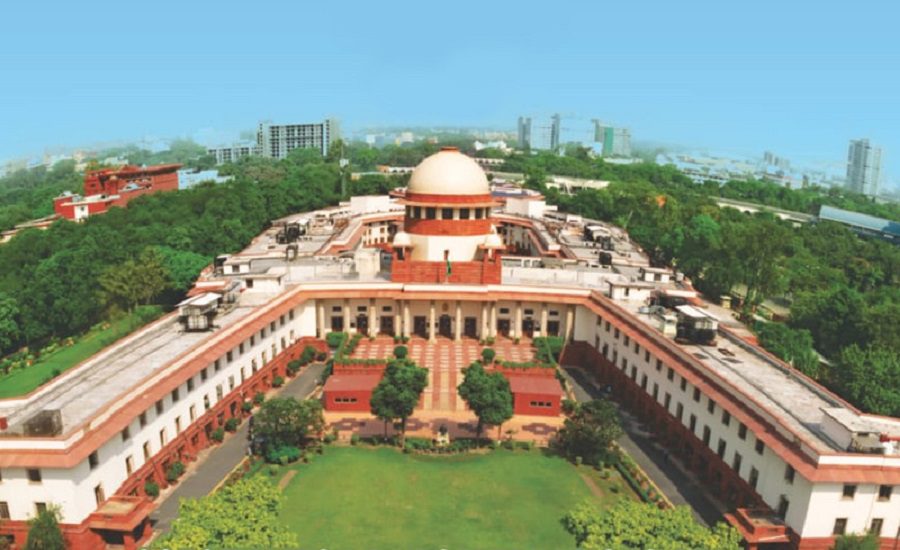
New Delhi: Senior advocate P. Chidambaram, appearing for petitioner Jayant Kumar Das, alleged before the Supreme Court that the process for selecting Odisha’s next Director General of Police (DGP) involved steps aimed at excluding a senior IPS officer and facilitating the consideration of a junior officer.
A bench headed by Chief Justice Surya Kant was hearing the petition challenging the procedure adopted by the Odisha government for sending eligible officers’ names to the Union Public Service Commission (UPSC). The matter is scheduled to be heard again on Wednesday, September 23.
What the Petitioner’s Counsel Alleged
Chidambaram argued that if Odisha had a shortage of DGP-rank officers, the state could have recommended junior officers for consideration. He questioned the changes made to the pool of eligible officers and the circumstances surrounding the exclusion of Sushant Kumar Nath, a 1993-batch senior IPS officer of the Odisha cadre.
Read Also: Odisha DGP Selection Row: Amicus Questions Last-Minute Promotions, Updated Eligibility List
According to submissions before the court:
- The state had initially forwarded names of three DGP-rank officers to the UPSC.
- A subsequent list contained 11 officers, including eight ADG-rank officers.
- Nath was among the senior DGP-rank officers whose eligibility later became an issue.
- Two officers who were subsequently promoted to DGP rank were also brought into consideration.
- The petitioner has challenged these developments as inconsistent with the Supreme Court’s prescribed DGP-selection procedure.
Questions Over Sushant Kumar Nath’s Eligibility
A key issue before the court concerns the withholding of Nath’s integrity certificate. His counsel, senior advocate Karuna Nundy, told the bench that Nath had completed 32 years of service with an unblemished record and questioned the basis for withholding the certificate.
The issue had also figured in earlier proceedings. Amicus curiae Raju Ramachandran had raised questions about Nath’s exclusion from the eligibility list and the inclusion of officers promoted after the original list had been forwarded to the UPSC.
What the Supreme Court’s DGP Framework Says
The case relates to the Supreme Court’s directions in the 2006 Prakash Singh v. Union of India police reforms judgment. Under the framework, the UPSC prepares a panel of three senior eligible officers based on factors including length of service, record and experience, from which the state selects its DGP.
The Supreme Court has not yet adjudicated the allegations raised by the petitioner. The bench is expected to continue hearing the matter on September 23.
Read Also: Odisha DGP Appointment Row: Supreme Court Questions Empanelment Process, Hearing on September 16