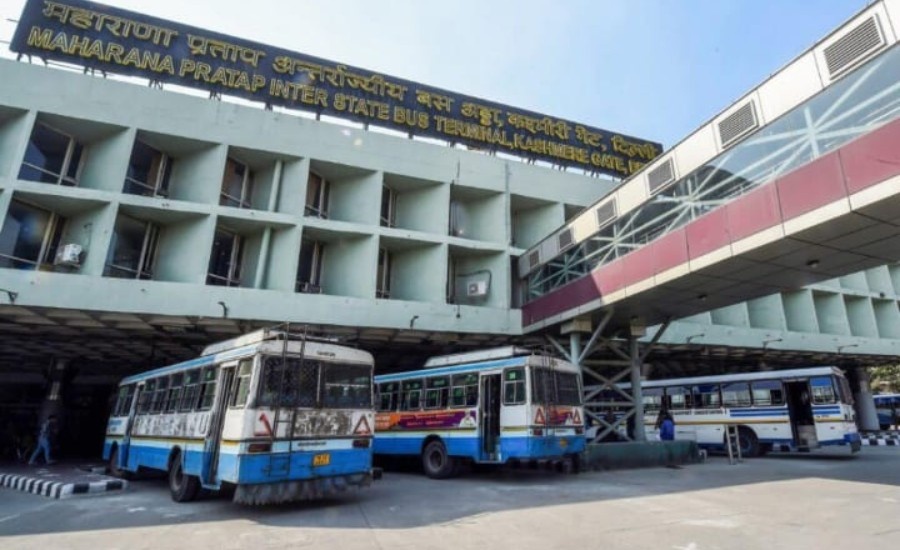
New Delhi: The Department-related Parliamentary Standing Committee on Transport, Tourism and Culture, headed by Rajya Sabha MP Sanjay Kumar Jha, presented its 392nd Report on Tuesday, recommending a range of measures to make bus transport more inclusive, digitally connected, safer and sustainable.
Titled “Enabling Inclusive, Digital and Sustainable Bus Transport: Policy, Regulation and Public-Private Partnership for Next-Gen Mobility,” the report was adopted by the committee on August 6. Its recommendations span passenger permits, bus terminals, digital tracking, fleet safety, electric buses, services for women, tourism connectivity, public transport funding and national bus data.
National Passenger Permit Proposed
The committee has recommended replacing the All India Tourist Permit with an All India Passenger Permit within one year.
Under the proposed system:
- The permit would be issued by the state where the vehicle is first registered.
- Permit enforcement would use electronic integration of VAHAN, FASTag and vehicle-location data.
- Monitoring centres would be commissioned.
- Border check posts would be discontinued in the six states where they continue to operate.
Read Also: Delhi Launches 4 New Tourism Circuits to Transform Capital From ‘Transit City’ to ‘Destination City’
The committee has also called for measures to ensure passenger injury claims are not disputed.
Dedicated Authority Proposed for Bus Terminals
The committee has recommended separating bus-terminal ownership from bus operations and creating a dedicated National Bus Terminals Authority.
It has proposed:
- A non-discriminatory access framework for bus terminals.
- A National Code for Bus Terminals within one year.
- Development of Gurugram and Katra as templates.
- Notification of a standard bus-stop design.
- Circulation of the standard design to MPs for possible funding through MPLADS.
National Digital Grid for Bus Transport
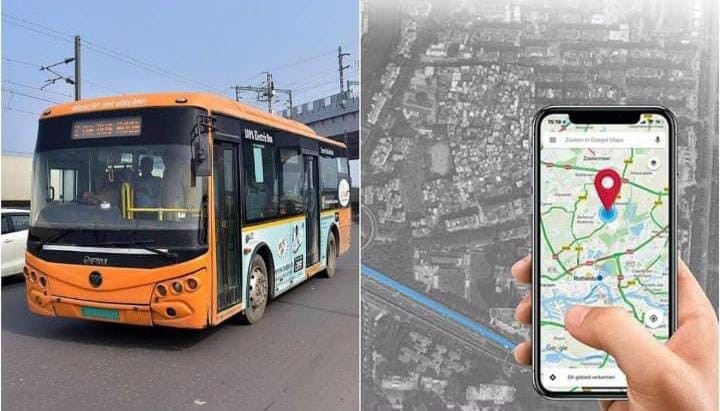
The committee has proposed a National Bus Digital Grid with interoperability standards, live bus tracking, unified booking across operators and a GIS-based network atlas using vehicle and toll data. It also recommended passenger ratings, geo-tagged citizen reporting and publication of punctuality, predictability and hazard data, with phased mandatory participation for commercial permit holders.
Stronger Safety Standards for Bus Operators
The report calls for district-wise completion plans for Automated Testing Stations within six months.
It has also recommended:
- Verification of fire-safety, emergency-exit and alert equipment during fitness testing.
- Examination of retrofitting requirements for sleeper and school buses.
- Publication of operator safety ratings and their consideration during permit renewals.
- Making emergency alert systems operational within one year.
Electric Bus Transition and Fleet Leasing
The committee has proposed a Fleet Transition Compact to modernise bus fleets through greater use of leasing and scrappage-linked leasing models.
It has also recommended time-bound electric-bus adoption targets, bulk procurement on standardised terms, route-aligned charging infrastructure, an end-of-life framework for electric buses and batteries within one year, and regional manufacturing, testing and maintenance clusters.
Women-Run Bus Services Proposed
The committee has called for a dedicated programme to expand peak-hour bus services operated by women drivers and staff.
It has also recommended:
- CCTV requirements for new buses.
- Expansion of emergency-alert systems beyond the 16 states where the programme currently extends.
- Standardisation of onboard toilets under the Bus Body Code.
- Better sanitation monitoring at overnight bus halts.
- Consideration of common funding mechanisms such as an Inclusive Transport Fund.
Tourist Bus Network and Multimodal Connectivity
The committee has proposed a National Tourist Bus Grid linking tourist circuits with rail, metro, air and waterways through unified ticketing. It also recommended centralised maintenance systems, digital fleet logbooks, intermodal hubs, tourist-focused terminal standards and passenger satisfaction surveys.
Dedicated Budgetary Focus on Bus Transport
The committee has recommended giving public transport infrastructure a defined place in the Ministry’s budget, including a report within six months on the provision and the Ministry’s view on allocating around 25% of road funding to public transport.
It also proposed viability-gap funding for eligible bus terminals and testing stations and circulation of the standard bus-stop design for MPLADS funding within three months of its notification.
Annual State-Level Bus Transport Ranking
The committee has proposed an annual ranking of states based on measurable indicators of bus-transport performance.
The proposed parameters include:
- Testing-station availability.
- Terminal access.
- Functioning of emergency systems.
- Network punctuality.
- Operator and passenger feedback.
- Disposal of citizen complaints.
The first edition would also identify states where border check posts continue to operate.
National Bus Data Architecture Proposed
The committee has recommended reconciling national bus-fleet figures within six months, pursuing Telangana’s integration with VAHAN, and creating a consolidated all-category bus database. It also proposed a federated national data architecture in which states retain ownership of their systems, along with periodic authoritative estimates of passengers carried by bus.
Read Also: Bihar’s Public Transport Gets Major Boost; BSRTC to Add 549 New Buses