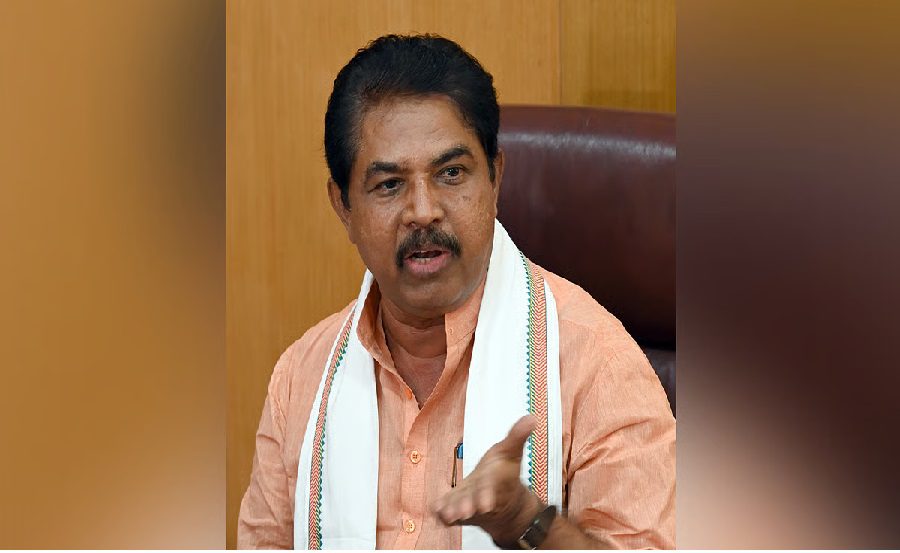
A sharp confrontation over bureaucratic accountability erupted in the Karnataka Legislative Assembly after Leader of the Opposition R Ashoka launched a strong attack on IAS officers, remarking that “IAS stands for I Am Sorry”, amid uproar over unanswered legislative questions.
The controversy began after G Parameshwara tabled only 84 replies against 230 unstarred questions raised by legislators on March 16, triggering anger in the House and prompting Speaker UT Khader to walk out in protest.
Speaker Expresses Anger Over Incomplete Replies
During proceedings, Speaker UT Khader expressed strong displeasure over repeated failure by departments to provide complete answers despite multiple warnings from the Chair.
He said he had already issued clear directions four times, but departments had failed to improve compliance.
“This House isn’t for ministers. This is for lawmakers who meet once in three months to discuss their issues,” Khader said.
He pointed out that only 15 questions become starred questions and receive oral replies on the floor, while the remaining unstarred questions depend entirely on written departmental responses.
“If the remaining questions go unanswered, why should members come to this House?” he asked.
Speaker Walks Out, Adjourns Proceedings
Khader then took the unusual step of adjourning proceedings and walking out of the Assembly, saying the House could not function unless ministers and departmental secretaries explained the repeated lapses.
“Despite clear orders, there’s been no improvement. How do we run this House?”
He added:
“Until the ministers and secretaries concerned explain this, I won’t run this House.”
The development marked one of the strongest public expressions of institutional frustration over administrative non-compliance in the current Assembly session.
R Ashoka Targets Bureaucracy
Reacting sharply, R Ashoka escalated the issue by directly targeting senior civil servants.
“This is the fifth time! Even after warnings, they have not improved. They come like Gods, they go home like Gods.”
He demanded strict action against certain departmental secretaries and questioned prolonged absence of some officers from office.
‘They Have Time for Golf, Not Legislature’
Ashoka further alleged that some IAS officers had remained absent from office for months.
“There are a few IAS officers who haven’t come to office for 8–9 months. I’ll show records. They’ll have time to play golf, but not to provide answers to the legislature?”
He then made the politically sharp remark:
“Why should they be in service? IAS stands for I Am Sorry.”
The comment quickly drew attention as one of the strongest opposition attacks on bureaucracy during the ongoing Assembly session.
Demand for Suspension of Secretaries
Ashoka also demanded suspension of certain secretaries responsible for failing to furnish legislative replies.
The Opposition argued that failure to answer lawmakers undermines legislative oversight and weakens accountability of the executive before elected representatives.
Emergency Meeting Held After Walkout
Following the disruption, Chief Minister Siddaramaiah held an urgent meeting with Speaker UT Khader, R Ashoka, Chief Secretary Shalini Rajneesh and senior ministers to discuss the matter.
The meeting focused on restoring normal functioning of the House and ensuring timely departmental replies.
Why Unstarred Questions Matter
In legislative functioning, unstarred questions form a major part of accountability because:
• They require written departmental responses
• They allow MLAs to raise constituency-specific concerns
• They create official records of government action
• They hold departments accountable outside floor debates
Repeated failure to answer them often triggers serious concern from presiding officers.
Administrative Accountability Under Spotlight
The episode has once again highlighted friction between elected representatives and bureaucracy over legislative responsiveness.
With the Speaker publicly intervening and the Opposition demanding disciplinary action, pressure may now mount on departments to improve response systems before the next sitting.