Guwahati: Examination credibility can be strengthened by placing stakeholder trust at the centre of the examination process, according to Assam Chief Secretary Dr. Ravi Kota, a 1993-batch IAS officer of the Assam-Meghalaya cadre, who has stressed that trust, transparency and carefully designed examination systems are essential to maintaining public confidence in recruitment tests.
Kota made the observations while participating through video conference in a consultative meeting of the High-Powered Task Force on Reforms in Public Examinations, chaired by the Union Home Secretary and attended by chief secretaries of states and Union Territories.
Drawing from Assam’s experience of conducting large-scale recruitment examinations, the Chief Secretary highlighted the need to align examination design, governance arrangements and logistical preparedness with the scale and nature of each examination.
What Did Ravi Kota Highlight From Assam’s Examination Model?
Kota cited the scale of the Assam Direct Recruitment Examination (ADRE) as an example of the administrative challenges involved in conducting large recruitment tests.
Read Also: Assam Govt Begins Massive Recruitment Planning to Deliver 2 Lakh Jobs in Five Years
According to the figures shared during the consultation:
- Around 11 lakh candidates appeared for examinations for more than 26,000 posts in 2022.
- Around 34 lakh candidates appeared for examinations for more than 16,000 posts in 2024.
- Assam has adopted a centralised examination framework for large-scale recruitment tests.
- Candidates have access to OMR sheets and a mechanism to challenge answer keys.
- The state has a dedicated anti-cheating law and detailed standard operating procedures.
- Administrative responsibilities are distributed across different levels to manage examination operations.
“Stakeholder Trust Is Central to Examination Credibility”
Highlighting the importance of public confidence in recruitment examinations, Kota said:
“Stakeholder trust is central to examination credibility, and examination design, governance and logistics must be aligned to the nature and scale of each examination.”
The emphasis on stakeholder trust comes at a time when examination authorities are dealing with the challenge of maintaining integrity while conducting tests involving large numbers of candidates across multiple centres.
Why Is Assam Expanding Computer-Based Testing?
Kota also highlighted Assam’s efforts to expand its computer-based test (CBT) infrastructure through public institutions as well as private participation.
The consultation discussed the need for wider mapping and expansion of secure CBT infrastructure, particularly in districts where access to such facilities remains limited.
The infrastructure, according to the discussion, could also have applications beyond examinations, including skill development and capacity building, while ensuring reasonable travel distances and accessibility for candidates with disabilities.
Security Without Compromising Candidate Convenience
The Assam Chief Secretary also stressed the need for examination security measures that are strong enough to protect the integrity of tests but proportionate and non-intrusive for candidates.
The broader consultation covered several aspects of examination security and preparedness, including:
- Question-paper security
- Examination-centre management
- Candidate verification
- Prevention of malpractice
- Cyber monitoring
- Risk management
- Incident review
- Secure CBT infrastructure
Centre-State Coordination Seen as Key
The consultation also underlined the importance of coordinated efforts between the Centre and states in strengthening the public examination ecosystem.
Kota emphasised that examination reforms need to balance security and integrity with transparency, accessibility and a candidate-centric approach.
For Assam, the experience of conducting recruitment examinations involving lakhs of candidates has provided a practical basis for discussing how examination systems can be scaled without compromising public trust.
Who Is Dr. Ravi Kota?
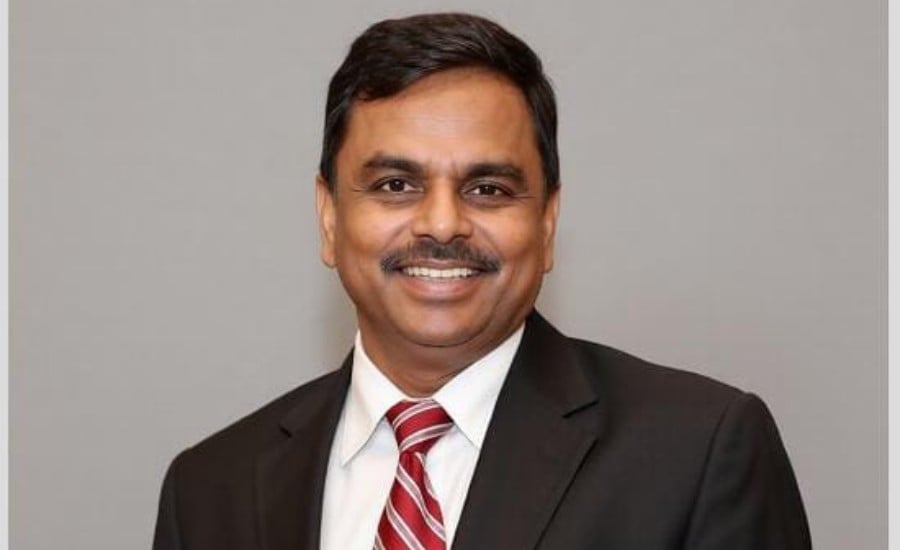
Dr. Ravi Kota is a 1993-batch IAS officer of the Assam-Meghalaya cadre and currently serves as the Chief Secretary of Assam. He took charge as the state’s 51st Chief Secretary in April 2024.
A gold medallist in Ph.D. in Agronomy, Kota has held administrative positions at the district, state and Central levels. His career has included assignments in finance, agriculture, urban development, internal security and economic policy. He also served as Minister (Economic) at the Embassy of India in Washington, DC, and as Joint Secretary with the 15th Finance Commission.
Before becoming Chief Secretary, he had served in senior finance-related positions in the Assam government and at the Centre, giving him extensive experience in public finance and policy administration.