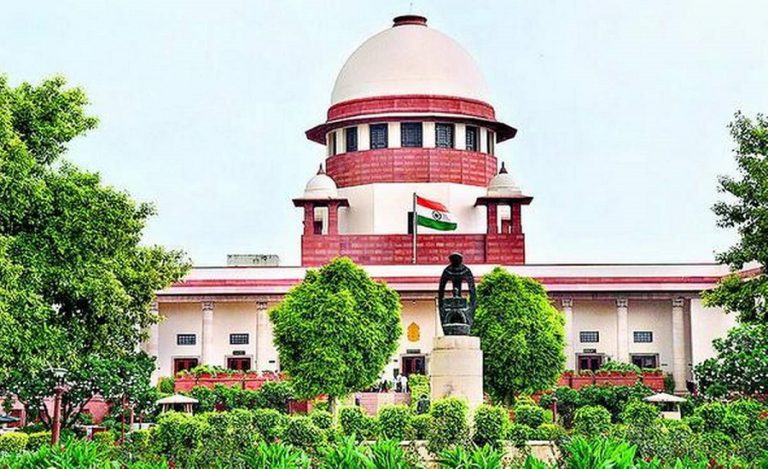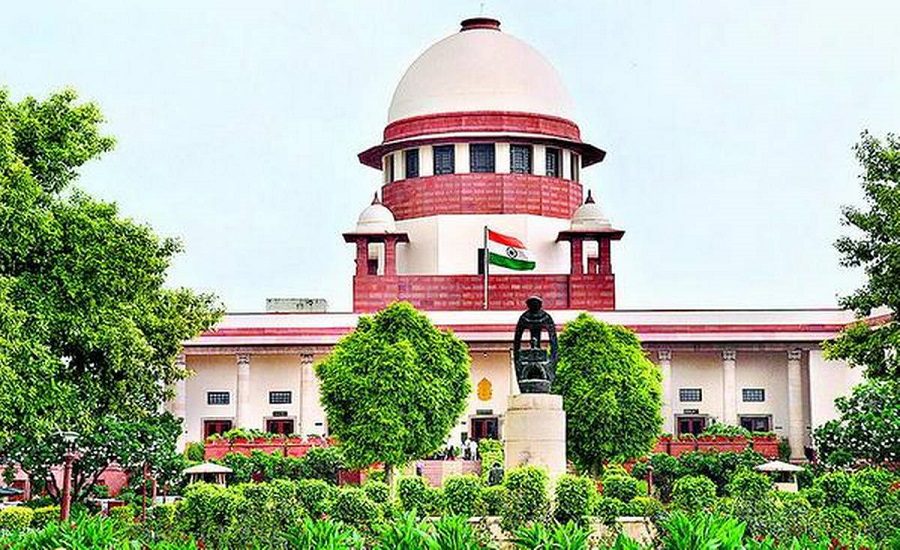
New Delhi: The Supreme Court of India has directed all States and Union Territories to officially notify Anti-Human Trafficking Units (AHTUs) as police stations under the law. The direction aims to strengthen investigations into human trafficking and improve the protection of women and children who become victims of exploitation.
In an order issued during a hearing on October 15, 2026, the Court asked State and Union Territory Home Departments to take the necessary steps as early as possible. It also directed the Union Government to coordinate with them to ensure compliance.
Human Trafficking Cases: Supreme Court Seeks Early Action From States And UTs
A bench comprising Justice J.B. Pardiwala and Justice R. Mahadevan issued the direction while reviewing the implementation of its May 29, 2026 judgment on human trafficking for commercial sexual exploitation.
Read also: Child Trafficking in India: Supreme Court Issues New Investigation Guidelines
The Court emphasised that officially notifying Anti-Human Trafficking Units as police stations is necessary to implement its Victim Protection Plan effectively.
The direction followed a submission by Senior Advocate Aparna Bhat, who appeared for the petitioner. She informed the Court that the earlier judgment already required these units to receive police station status.
Accepting the submission, the Court directed the Home Departments of all States and Union Territories to issue the necessary notifications in accordance with the law.
Why Anti-Human Trafficking Units Need Police Station Status
Anti-Human Trafficking Units are specialised units established to address human trafficking cases. However, their powers and functions have not been uniform across all States and Union Territories.
Some units have faced limitations in their authority to register criminal cases and carry out investigations. Giving them formal police station status is intended to strengthen their role in responding to trafficking offences.
The move is particularly important for cases involving women and children who are trafficked for commercial sexual exploitation.
Formal recognition, supported by adequate staff, resources and investigative powers, can help improve coordination between police departments and other agencies involved in victim protection.
Human Trafficking Cases: Supreme Court Reviews Implementation Of Victim Protection Plan
The latest direction is part of the Supreme Court’s broader efforts to ensure that its Victim Protection Plan is implemented across the country.
The plan was framed under Article 142 of the Constitution, which empowers the Supreme Court to pass orders necessary to do complete justice in matters before it.
The Court is monitoring compliance with its May 29, 2026 judgment in Prajwala v. Union of India, which addresses the protection, rehabilitation and legal support of victims of human trafficking.
The bench observed that several additional directions issued in the main judgment had not yet been fully implemented by all States and Union Territories.
Other Directions That States Must Implement
Apart from notifying Anti-Human Trafficking Units as police stations, the Supreme Court highlighted other measures required for the effective implementation of the Victim Protection Plan. These include:
- Notifying Recognised Welfare Institutions: States and UTs must notify eligible welfare institutions and organisations under Sections 15(6A) and 17A of the Immoral Traffic (Prevention) Act, 1956.
- Preparing Lists Of Social Welfare Workers: Authorities must prepare State-wide and Union Territory-wide lists of eligible social welfare workers.
- Appointing Police Nodal Officers: Appropriate police officers must be designated to coordinate the implementation of the plan.
- Appointing Government Nodal Officers: Government departments must designate officers responsible for coordination and compliance.
These measures are intended to improve cooperation among law enforcement agencies, welfare institutions and government departments.
Union Government Asked To Ensure Compliance
The Supreme Court also directed the Union Government to take up the issue with all States and Union Territories without delay.
The Centre must coordinate with the relevant authorities, ensure that the required notifications are issued and collect information about the steps taken to implement the Victim Protection Plan.
The Court further directed the Union Government to submit a fresh status report detailing the progress made by the concerned authorities.
It stressed that these measures are necessary to ensure that the plan works effectively at the ground level, rather than remaining only on paper.
Next Hearing In Prajwala Case
The matter is being heard in Prajwala v. Union of India, a case concerning measures to prevent human trafficking and protect victims of commercial sexual exploitation.
The Supreme Court has directed the Union Government to pursue compliance with its directions and submit an updated status report.
The case is scheduled for its next hearing on December 14, 2026, when the Court is expected to review the progress made by the authorities.
Read also: NDPS Act Reform Plea: Why Is the Supreme Court Concerned About Drug Trafficking in India?
FAQs
Police station status is intended to strengthen the legal authority and operational role of these units in handling human trafficking cases. Effective implementation also requires adequate staff, resources and investigative powers.
The Supreme Court has directed all States and Union Territories to issue appropriate legal notifications giving Anti-Human Trafficking Units the status of police stations.
The Supreme Court has scheduled the next hearing in Prajwala v. Union of India for December 14, 2026, to review compliance with its directions on victim protection and anti-human trafficking measures.