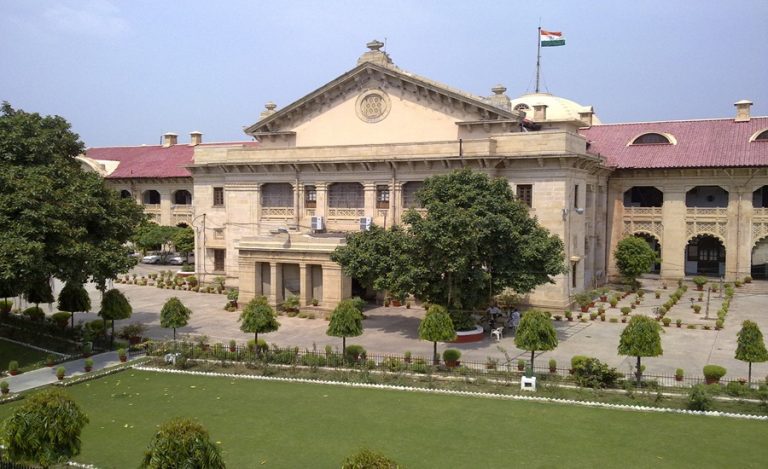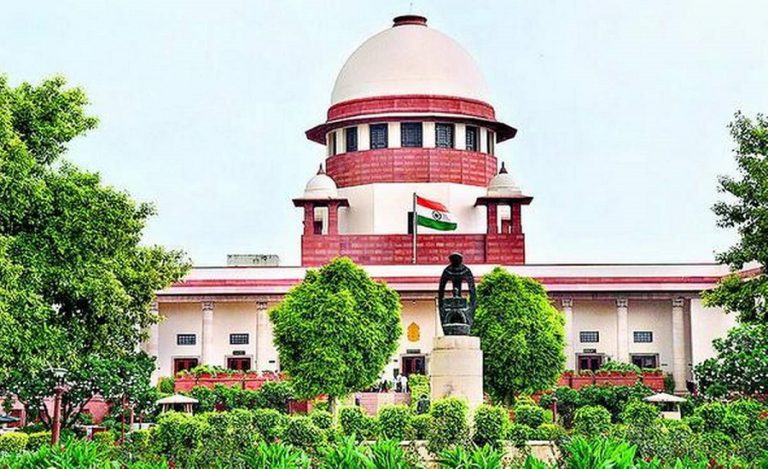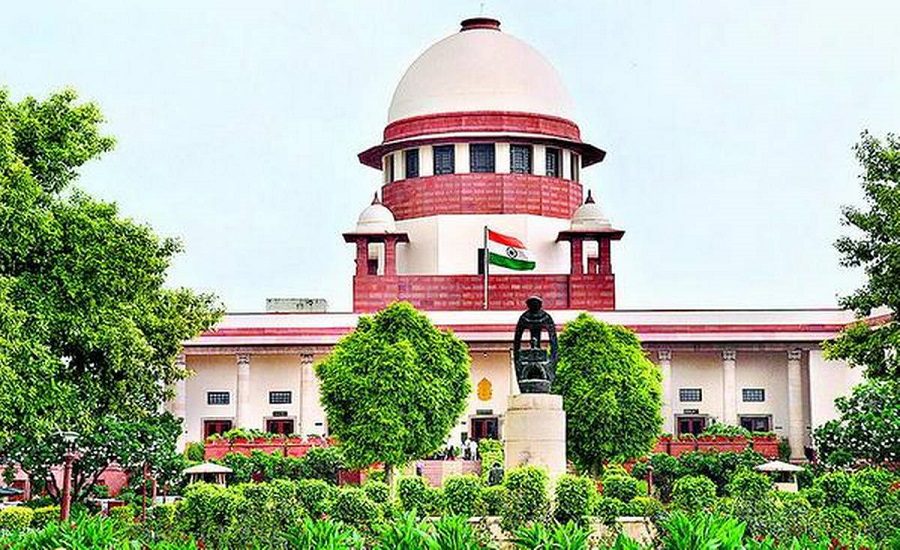
New Delhi: The Supreme Court of India has said that bursting firecrackers during Diwali goes against the true spirit of the festival because it causes environmental pollution and serious health risks.
In its latest observations, the top court stressed that religious celebrations should not come at the cost of public health, clean air and environmental protection.
The court also highlighted the harmful effects of air pollution on children, elderly people and persons with disabilities, particularly in the Delhi-NCR region.
Supreme Court Highlights The Firecracker Pollution
A bench of Justices MM Sundresh and Prasanna B Varale made these observations while hearing a matter related to air pollution and the regulation of firecrackers in Delhi-NCR.
Read also: What is Delhi-NCR BS-IV Vehicle Replacement Scheme and How Does it Reduce Air Pollution
The bench said that ancient Indian philosophy considers the environment an important part of religion. It also recognises all living beings as connected and deserving of respect.
According to the court, festivals should encourage people to respect nature and protect all forms of life.
The Supreme Court acknowledged that Diwali has deep religious, social, psychological and emotional importance. It has also grown into a major national and international celebration that brings happiness and prosperity to communities. However, the court said that celebrating festivals should not create serious health and environmental problems.
Firecrackers Are Not An Essential Part Of Traditional Diwali Celebrations
The Supreme Court referred to ancient Hindu scriptures, including the Skanda Purana and Padma Purana, which mention the use of lamps during Deepawali celebrations.
The bench observed that the tradition of bursting firecrackers developed much later, after gunpowder was introduced in India several centuries ago.
It noted that the use of firecrackers has gradually become a major part of modern Diwali celebrations, despite their harmful effects on the environment.
The court emphasised that lighting traditional lamps and celebrating the festival without causing pollution can help preserve its original spirit.
Firecracker Pollution: Supreme Court Warns About Serious Health Risks From Air Pollution
The top court expressed concern over the harmful effects of firecrackers on air quality and public health.
It observed that bursting firecrackers creates severe air and noise pollution. It also produces solid waste, which further increases environmental damage.
The bench particularly highlighted the dangers of particulate matter (PM), which can remain in the atmosphere for several days after Diwali.
These microscopic particles can enter the human body through breathing and reach the bloodstream, potentially causing serious health damage.
The court identified children, elderly people and persons with disabilities as particularly vulnerable to pollution-related health problems.
Supreme Court Allows Limited Use Of Certified Green Crackers
Instead of allowing unrestricted firecracker use, the Supreme Court adopted a regulated approach for the 2026 Diwali period.
According to the order, the court permitted the manufacture and sale of certified green crackers for a limited period. The key directions included:
- Sale Of Green Crackers: Approved green crackers were allowed to be sold from November 4 to November 6, 2026.
- Permitted Bursting Dates: Firecrackers could be burst only on November 7 and November 8.
- Morning Time: 6 AM to 7 AM.
- Evening Time: 8 PM to 10 PM.
- Complete Ban: The complete ban on firecrackers was directed to be restored from November 9, 2026.
These restrictions aimed to balance Diwali celebrations with the need to protect public health and the environment.
Supreme Court Says Environmental Protection Is Part Of Religious Values
The Supreme Court concluded that festivals should promote hope, happiness, welfare and prosperity rather than create health hazards for people and other living beings.
The bench observed that allowing environmental damage would defeat the very purpose of religious celebrations.
It also emphasised that religious practices should encourage greater respect for nature and all forms of life. The court’s observations highlight the importance of celebrating Diwali responsibly while protecting the environment for future generations.
Important Restrictions On Firecracker Sales And Use
The Supreme Court also introduced several safeguards to prevent the illegal sale and use of conventional firecrackers in Delhi-NCR.
The major restrictions include:
- Certified Green Crackers Only: Only green crackers approved by CSIR-NEERI and licensed by PESO can be manufactured and sold.
- QR Code Verification: Every approved cracker box must carry a product-specific QR code showing details of its manufacturer, registration and testing certificate.
- No Online Sales: The sale of firecrackers through online platforms is prohibited.
- No Traditional Laris: The manufacture and sale of joined firecrackers, commonly called laris, and garlands are prohibited.
- No Barium-Based Crackers: Firecrackers containing barium and products without the required green-cracker approval are not permitted.
- No-Cracker Zones: Firecrackers cannot be burst within 300 metres of hospitals, nursing homes, health centres, old-age homes and notified silence zones. Educational institutions are also covered by this restriction.
The authorities have been directed to monitor shops, inspect products, verify QR codes and take action against people violating the court’s directions.
Read also: NHAI Deploys 60 Water Sprinklers, 23 Road Sweepers to Tackle Delhi-NCR Winter Pollution
FAQs
The Supreme Court permitted certified green crackers to be burst on November 7 and 8, 2026, between 6 AM and 7 AM and 8 PM and 10 PM.
The Supreme Court said that uncontrolled firecracker bursting causes serious air and noise pollution and goes against the spirit of Diwali. It stressed that festivals should not create health risks or environmental damage.
The complete ban on firecrackers in Delhi-NCR will be restored from November 9, 2026, following the temporary relaxation for Diwali celebrations.