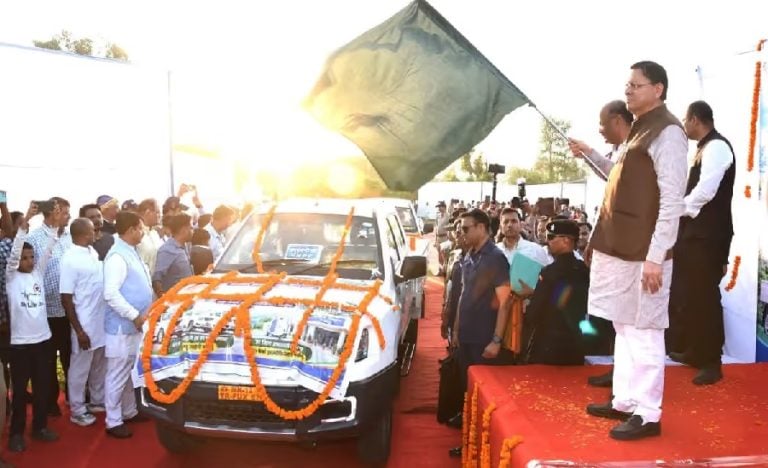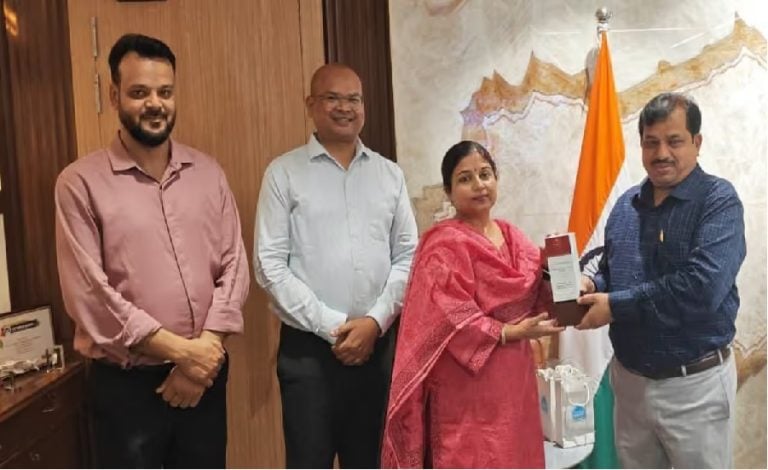
New Delhi: India’s Regional Connectivity Scheme (RCS), known as UDAN (Ude Desh ka Aam Nagrik), completes 10 years in 2026, marking a decade of efforts to expand affordable air travel beyond major cities. According to the Ministry of Civil Aviation, the scheme has operationalised 687 regional routes, brought 95 aerodromes into operation and facilitated air travel for 1.72 crore passengers.
Launched on October 21, 2016, UDAN was designed to improve connectivity to unserved and underserved regions by making regional air routes more accessible and financially viable. The government has now introduced a modified phase of the scheme, with a total outlay of ₹28,840 crore for implementation from financial year 2026–27 to 2035–36.
The next phase places greater emphasis on aviation infrastructure, operational sustainability, Centre-State coordination and the development of indigenous civil aircraft.
UDAN Completes a Decade with 687 Operational Routes
The scheme entered its operational phase in April 2017, when the first RCS-UDAN flight was inaugurated between Shimla and Delhi. Since then, it has expanded regional connectivity through financial incentives for airlines and the development of aviation facilities in smaller cities and remote areas.
Read Also: Pawan Hans Set For Bigger Role In India’s Next Aviation Push Under UDAN Scheme
According to the ministry’s figures, as of October 2026, the scheme’s achievements include:
- 687 regional routes operationalised across India.
- 95 aerodromes operationalised, including 17 heliports and two water aerodromes.
- 3.68 lakh-plus flights operated under the scheme.
- 1.72 crore passengers facilitated through regional air services.
- ₹5,091.23 crore disbursed as Viability Gap Funding (VGF), as of October 15, 2026.
UDAN uses mechanisms such as capped airfares, concessions and VGF to encourage airlines to operate on regional routes that may otherwise be commercially difficult to sustain.
The scheme forms part of India’s broader effort to extend the benefits of civil aviation to smaller cities and underserved regions.
Modified UDAN Gets ₹28,840 Crore for the Next Decade
The modified phase of UDAN was formally launched on July 4, 2026. It will run for 10 years, from FY 2026–27 to FY 2035–36, with an announced outlay of ₹28,840 crore.
The revised framework seeks to address infrastructure gaps and the financial challenges associated with maintaining regional air services over the long term.
Key allocations under Modified UDAN
- Airport Development: ₹12,159 crore allocated for developing 100 airports over eight years.
- Aerodrome Operation and Maintenance: ₹2,577 crore for providing three years of support to approximately 441 aerodromes.
- Modern Helipad Development: ₹3,661 crore for developing 200 modern helipads over eight years.
- Airline Viability Support: ₹10,043 crore allocated over 10 years to support airlines operating regional routes.
- Indigenous Aviation Capacity: ₹400 crore proposed for acquiring two HAL Dhruv helicopters for Pawan Hans and two HAL Dornier aircraft for Alliance Air.
The airport-development component will focus on converting existing unserved airstrips into operational airports. The maintenance component is intended to support the continued operation of aviation facilities, while the helipad programme seeks to improve access in areas where conventional airport infrastructure may be difficult to develop.
The airline-support component will provide VGF for eligible regional routes, with funding available for up to five years. The scheme also provides for tapering financial support from the third year and limits route exclusivity to three years.
Centre-State Coordination to Drive Aerodrome Development
A major feature of the modified scheme is stronger coordination between the Centre, States and Union Territories.
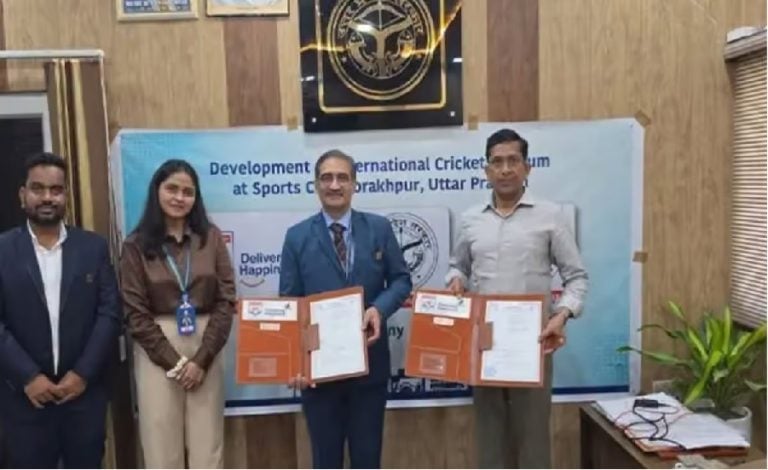
According to the ministry, 21 memoranda of understanding have been signed between the government, participating States and Union Territories, and the Airports Authority of India (AAI).
The agreements establish a framework for identifying, developing and operationalising aviation assets in line with regional connectivity needs.
A dedicated Challenge Mode Portal for Aerodrome Development will allow State governments and Union Territory administrations to nominate airstrips and helipads for development under the scheme.
The approach is intended to make infrastructure planning more responsive to local requirements, while improving coordination among the agencies responsible for development and operations.
North-East Gets Focus Under Regional Connectivity Push
The North-Eastern region remains an important focus of UDAN because its hilly terrain and geographical constraints make surface connectivity challenging in several areas.
The ministry’s figures show that:
- 90 priority RCS routes have been operationalised across the North-Eastern states.
- 52 aerodromes, including heliports and water aerodromes, have been identified in the region.
- 12 of the identified aerodromes have been operationalised.
Improved air connectivity can reduce travel times for residents in remote areas and facilitate access to healthcare, education, tourism destinations and markets.
The modified scheme’s focus on airport development, helipads and operational support is intended to address some of the infrastructure and viability challenges associated with regional aviation.
Purnea Airport Improves Access to Bihar’s Seemanchal and Kosi Regions
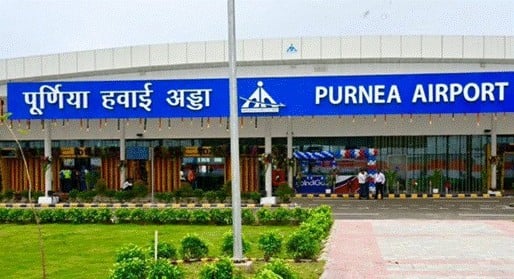
The operationalisation of Purnea Airport in Bihar in 2025 has improved access to air travel for residents of the Seemanchal and Kosi regions.
Before the airport became operational, residents of Purnea, Araria, Kishanganj, Katihar and neighbouring districts often had to travel long distances to Bagdogra Airport to catch flights.
According to the ministry, the airport has extended air access to more than 10 districts in Bihar, reducing travel time to Kolkata to approximately two hours and to Patna to around one hour.
The airport has a runway measuring approximately 2.8 km, which the ministry says can accommodate aircraft such as the Airbus A320 and Boeing 737.
The improved connectivity is also expected to support regional business activity, including trade in agricultural products such as makhana, litchi and vegetables.
Tezu Airport Connects Remote Areas of Arunachal Pradesh
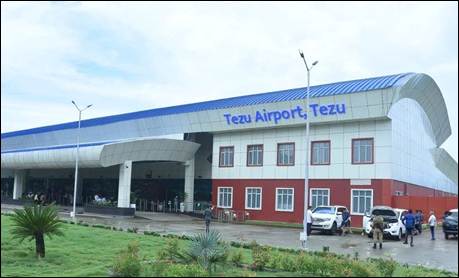
Tezu Airport in Arunachal Pradesh illustrates the role of regional aviation in geographically challenging areas.
Operationalised in 2021, the airport serves residents of Lohit district and neighbouring areas who previously had to undertake lengthy road journeys to reach airports at Dibrugarh or Guwahati.
According to the ministry, Tezu Airport provides air access to more than two lakh people and has reduced travel time to Guwahati to approximately one hour.
The airport has also enabled air cargo movement for agricultural produce, including ginger, cardamom and rice, helping connect local producers with wider markets.
Deoghar Airport Supports Pilgrimage and Medical Travel
Deoghar Airport in Jharkhand, which began operations in July 2022, has improved access to the city and the nearby Baba Baidyanath Dham pilgrimage destination.
Before the airport opened, travellers often had to rely on lengthy road and rail journeys or travel to airports in Ranchi and Patna.
The ministry’s account highlights several effects associated with improved connectivity:
- Reduced travel time between Delhi and Deoghar to approximately two hours.
- Improved access for pilgrims visiting Baba Baidyanath Dham, particularly during the Kanwar Yatra.
- Easier travel for patients and visitors accessing AIIMS Deoghar.
- Increased activity in the hospitality sector, including the establishment of additional hotels.
These developments illustrate how regional aviation can support religious tourism, healthcare access and local services.
Kishangarh Airport Strengthens Tourism and Marble Trade
Kishangarh Airport in Rajasthan has improved air access for Kishangarh, Ajmer and Pushkar, reducing the need for many travellers to use Jaipur Airport.
The airport serves a region known for its marble industry and religious tourism, including visitors to Ajmer Sharif Dargah and Pushkar.
According to the ministry, improved connectivity has supported marble exports to markets such as Italy, the United Arab Emirates and the United States. The airport has also hosted Avyanna Aviation Academy, identified in the release as a Category A Flying Training Organisation.
The ministry further reported that the airport has generated more than 200 direct jobs and contributed to local economic activity.
Indigenous Aircraft and Helicopters Part of the New Phase
The modified scheme also includes a proposed allocation of ₹400 crore to support the acquisition of two HAL Dhruv helicopters for Pawan Hans and two HAL Dornier aircraft for Alliance Air.
The initiative is intended to strengthen indigenous aviation capacity and improve connectivity in remote areas and regions with difficult terrain.
The emphasis on domestically manufactured aircraft and helicopters aligns the scheme with the government’s Atmanirbhar Bharat initiative.
Alongside airport and helipad development, this component seeks to expand the capacity available for regional aviation operations.
Aviation Employment and Regional Economic Opportunities
The Ministry of Civil Aviation has also highlighted the growth of employment associated with the wider aviation sector.
According to the release, sectoral employment increased from approximately three million in 2014 to nearly 7.7 million in 2026. The ministry said the figure has the potential to reach 25 million by 2040.
Regional air connectivity can contribute to this growth through airport operations, airline services, maintenance, tourism, hospitality, cargo movement and other related activities.
However, the scale of future employment will depend on the expansion and sustainability of aviation services and supporting infrastructure.
UDAN’s Next Phase Focuses on Sustainable Regional Aviation
The first decade of UDAN expanded the number of regional routes and operational aviation facilities, while bringing air travel within reach of more passengers in smaller cities and remote areas.
The modified scheme shifts additional attention towards the infrastructure and financial conditions required to sustain these services. Airport development, maintenance assistance, modern helipads, airline VGF and indigenous aircraft capacity are among its principal components.
The programme’s next phase will depend on coordination between government agencies, States, Union Territories, airport operators and airlines to ensure that infrastructure development translates into reliable regional air services.
With its ₹28,840 crore outlay and decade-long implementation period, Modified UDAN is intended to provide a longer-term framework for expanding India’s regional aviation network.
Read Also: UDAN Scheme: AAI, MoCA Sign MoUs With 21 States and UTs to Expand Regional Air Connectivity