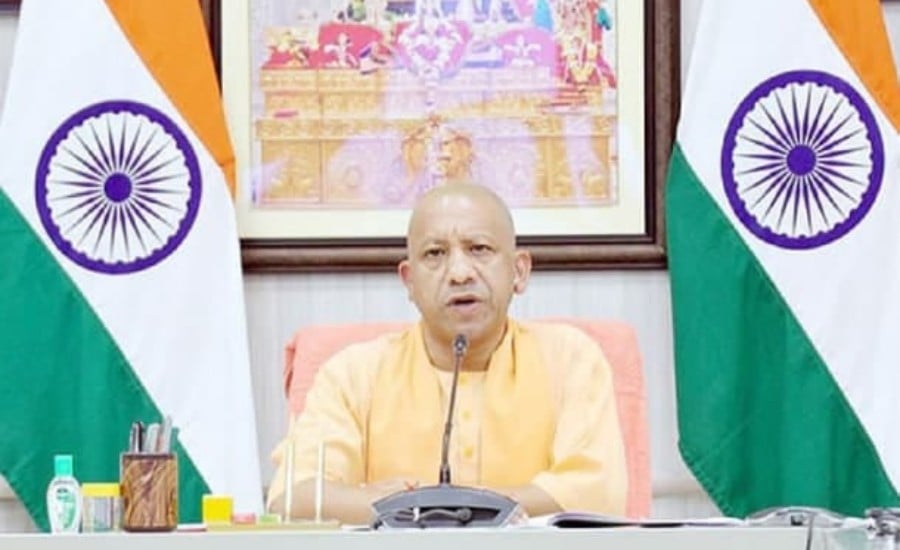
Lucknow: Uttar Pradesh is expanding its focus on digital rural governance, with Chief Minister Yogi Adityanath highlighting the functioning of 57,600 Gram Sachivalayas and the establishment of 11,350 digital libraries across Gram Panchayats.
Speaking on Mahatma Gandhi’s birth anniversary, Adityanath said the state is treating villages as the first units of a self-reliant Uttar Pradesh rather than simply as the last point of development.
The initiatives highlighted by the Chief Minister cover digital public services, online monitoring, digital payments, employment opportunities and access to learning resources in rural areas.
57,600 Gram Sachivalayas Bring Digital Services Closer
According to Adityanath, over the past nine and a half years, digital facilities including e-Gram Swaraj, digital payments and online monitoring have been extended through 57,600 Gram Sachivalayas across Uttar Pradesh.
The aim is to bring routine administrative services and information closer to villagers, reducing the need for residents to repeatedly travel to tehsil or district-level offices for certain services.
The Chief Minister said the digital systems have also strengthened transparency and accountability in Gram Panchayat functioning.
For rural residents, the broader significance of Gram Sachivalayas lies in creating a local point where government-related services and digital facilities can be accessed closer to home.
Read Also: UP Rolls Out Leather and Footwear Policy With Investment Incentives and Industry Support
Gram Sachivalayas Linked to Local Employment
The functioning of Gram Sachivalayas is also being presented as an employment-generating initiative.
Adityanath said the operation of Gram Sachivalayas has created five to seven employment opportunities in each village.
This figure is the Chief Minister’s stated assessment of employment generated through the functioning of the village secretariats.
If such local opportunities are sustained, village-level service infrastructure can have an impact beyond administration by creating work linked to digital services and local operations.
11,350 Gram Panchayats to Get Digital Libraries
Another major component of the rural development push is the establishment of digital libraries in 11,350 Gram Panchayats.
The initiative is aimed at expanding access to books, digital learning material and study resources for children and young people in rural areas.
Earlier reporting on the project said the libraries are being developed with books, IT equipment, furniture and digital educational content. Resources planned for students include e-books, video lectures, audio content, digital learning modules and interactive quizzes.
The facilities could be particularly useful for rural students preparing for competitive examinations, as they provide an opportunity to access study material without travelling to larger towns or cities.
Digital Libraries Add an Education Layer to Rural Development
The digital library programme adds an education and skills component to the digital governance infrastructure being developed through Gram Sachivalayas.
Recent state-level reporting indicates that the library rollout is taking place in phases. The Panchayati Raj Department has been working on facilities across the selected Gram Panchayats, with the project intended to expand access to learning resources in rural areas.
This means that rural digital infrastructure is being used for more than administrative services. It is also being connected with education, examination preparation and access to information.
Gram Swaraj as a Rural Development Framework
The initiatives were highlighted by the Chief Minister as part of his broader vision of Gram Swaraj.
Adityanath said empowered Panchayats and prosperous villages form the foundation of Gram Swaraj and a self-reliant Uttar Pradesh.
He linked the approach to Mahatma Gandhi’s vision of villages becoming more self-reliant and said the government’s vision can be summarised as “Empowered Panchayat, Prosperous Village and Self-Reliant Uttar Pradesh.”
The focus therefore extends beyond physical village infrastructure to include digital access, local administration, employment and learning opportunities.
Moving Government Services Closer to Rural Residents
For many rural residents, access to government services can depend on how easily they can reach administrative offices and navigate procedures.
The expansion of Gram Sachivalayas is intended to bring more of these processes closer to villages. Digital payments and online monitoring can also reduce dependence on physical paperwork and make Panchayat-level activities easier to track.
The effectiveness of this model, however, will depend on consistent service delivery, digital access, staff availability and how effectively villagers can use the facilities.
A Wider Digital Rural Network
Together, the 57,600 Gram Sachivalayas and 11,350 digital libraries represent two different but connected aspects of rural development.
Gram Sachivalayas focus primarily on local governance and access to digital services, while digital libraries expand educational and information resources for rural communities.
For students and young people, the libraries can create new learning opportunities closer to home. For residents, village-level digital services can make interaction with local administration more accessible.
The broader objective is to make rural areas active centres of development rather than simply beneficiaries of government schemes.
As Uttar Pradesh continues expanding digital facilities at the Panchayat level, the focus on local services, employment and education places village institutions at the centre of its rural development strategy.
Read Also: UP Reviews IT, Electronics Policies as State Pushes Technology-Led Growth