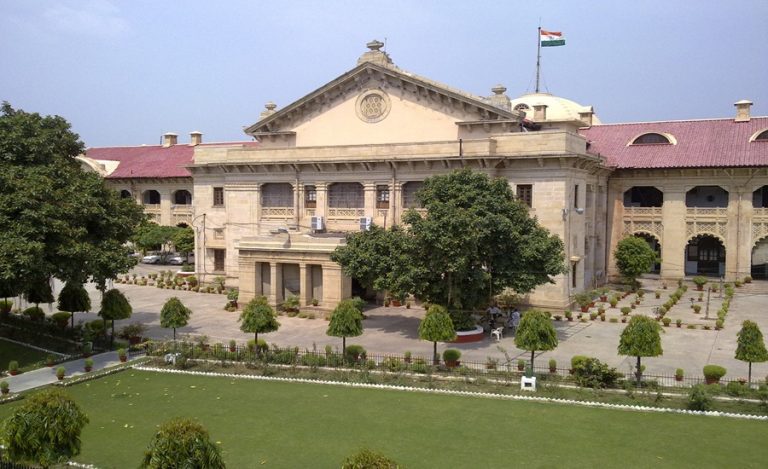
Uttarakhand High Court has sought responses from the Union Government and the Uttarakhand government while hearing a petition filed by two senior IPS officers challenging their deputation to central forces on posts lower than their present rank.
The case has drawn attention because both officers, currently serving in Uttarakhand Police as Inspector General-rank officers, have been deputed to Deputy Inspector General-level posts in central armed police forces.
A division bench comprising Manoj Kumar Gupta and Subhash Upadhyay directed both governments to file affidavits clarifying whether the deputation proposal originated from the Centre or whether the Uttarakhand government itself forwarded the names of the officers.
The next hearing in the matter is scheduled for March 19.
Two IPS Officers Challenge DIG-Level Postings
The petition has been filed by two Uttarakhand cadre IPS officers:
- Abhinav Kumar Garg
- P Renuka Devi Joshi
According to an order issued by the Ministry of Home Affairs:
- Garg has been posted as Deputy Inspector General in the Indo-Tibetan Border Police
- Joshi has been posted as Deputy Inspector General in the Border Security Force
Both officers are presently holding Inspector General-rank responsibilities in Uttarakhand Police.
Their core grievance is that they are being deputed to positions below their current status.
Petitioners Say No Consent Was Given
According to the petition, neither officer applied for central deputation nor gave consent for such movement.
The officers have argued before the court that they had earlier clearly expressed reluctance for central deputation.
Because of that earlier unwillingness, they were reportedly placed under a five-year restriction from central deputation.
Despite this, their names were later forwarded to the Centre by the Uttarakhand government on February 16, following which deputation orders were issued.
The petition argues that such deputation is procedurally and administratively improper.
Court Wants Clarity on Who Initiated the Move
The High Court has focused on one central question –
Did the Centre initiate the deputation, or did the Uttarakhand government voluntarily recommend the officers?
This distinction is legally important because it affects maintainability and administrative responsibility.
The bench has therefore directed:
- Centre to file affidavit
- State government to file affidavit
- Petitioners to submit rejoinder affidavit after receiving the state’s response
State Government Earlier Raised Jurisdiction Issue
During the previous hearing, the Uttarakhand government argued that the officers should approach the Central Administrative Tribunal.
The state suggested that service-related disputes fall within the tribunal’s jurisdiction.
However, counsel for the petitioners argued that the matter remains maintainable before the High Court because the state government itself allegedly initiated the proposal.
This jurisdictional issue may become central in the next hearing.
Rank Issue at Core of Dispute
A major issue in the case is rank equivalence.
The petitioners are currently serving at Inspector General level in state police.
Yet the deputation places them at Deputy Inspector General level in CAPFs.
In service hierarchy:
- Inspector General is senior to Deputy Inspector General
- IG rank usually reflects higher command responsibilities
- DIG is considered a lower command level
The officers contend that such posting affects administrative status and service dignity.
Why This Case Matters Beyond Uttarakhand
The case may have wider implications because IPS deputation rules often involve complex coordination between:
- State cadre control
- Central staffing requirements
- Officer consent
- Rank equivalence
Any judicial clarification may influence future deputation disputes involving senior IPS officers.
Next Hearing on March 19
The High Court has listed the matter for further hearing on March 19, when affidavits from both governments are expected.
The court may then examine:
- Deputation procedure
- Consent requirement
- Rank compatibility
- Jurisdiction question
The outcome could have significance for deputation norms involving All India Service officers.