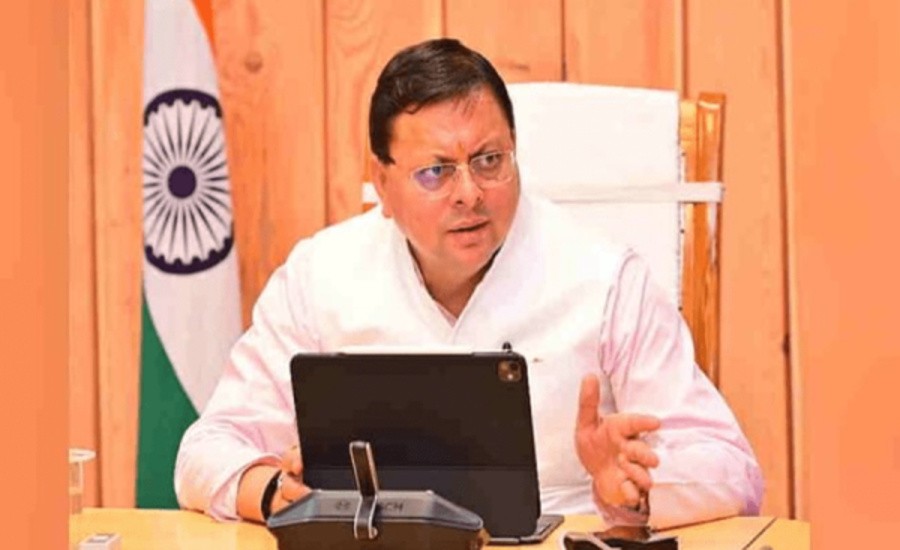
Dehradun: Uttarakhand Chief Minister Pushkar Singh Dhami has emphasised the role of cooperative institutions and strengthened Multi-Purpose Primary Agricultural Cooperative Societies (M-PACS) in supporting rural development and the state’s village economy.
Dhami made the remarks while virtually inaugurating the Shri Laxmanrao Inamdar Second Cooperative Leadership Training Class, organised by Sahakar Bharati Uttarakhand at Govind Ballabh Pant University of Agriculture and Technology in Pantnagar.
He said strengthening cooperatives can support the rural economy and added that connecting farmers, youth and women with cooperative institutions is among the state government’s priorities.
M-PACS to Expand Cooperative Services
Dhami described Primary Agricultural Cooperative Societies (PACS) as the foundation of the cooperative system and said they are being developed as M-PACS to make them more capable of responding to changing requirements.
Read Also: Uttarakhand Plans 160-Km Ropeway Network Across 51 Proposed Projects
According to the state government, M-PACS are intended to provide farmers with access to various services while creating avenues for economic activity in rural areas.
The Chief Minister also highlighted the potential role of cooperatives in areas including:
- Supporting agricultural activities in hill regions
- Connecting local products with markets
- Linking farmers with processing and value addition
- Expanding opportunities for rural employment
- Supporting women’s participation in economic activities
Dhami said effective implementation of the M-PACS model requires trained leadership, and described the leadership training programme as an effort to develop management capabilities, broader perspectives and new approaches among cooperative workers.
Focus on Processing, Branding and Markets
Speakers at the programme stressed that increasing agricultural production alone is not sufficient for rural economic development.
The discussions highlighted the need to connect farmers with processing, value addition, packaging, branding and markets, with cooperative institutions potentially serving as a link between producers and these activities.
The programme also discussed integrating activities such as horticulture, vegetable cultivation, animal husbandry and dairy with cooperative structures to provide farmers with multiple avenues for economic activity.
New Cooperative Policy Unveiled
During the event, participants released the ‘Sahakar Grantham’ souvenir and a social media reel. The Devbhoomi Sarathi State Cooperative Federation Limited was also unveiled, while the state’s new cooperative policy was launched.
Cabinet Minister Dhan Singh Rawat said Sahakar Bharati is working to expand the reach of cooperative institutions among farmers.
University officials also highlighted the role of cooperatives in providing farmers with technical information, training, market access and other support.
Women’s Participation in Rural Economy
Women’s empowerment and family-based economic activities were also part of the programme. Discussions focused on connecting women with cooperative institutions, creating market opportunities for local products and promoting self-employment.
Officials and representatives from the state cooperative department, Sahakar Bharati and Govind Ballabh Pant University attended the programme.