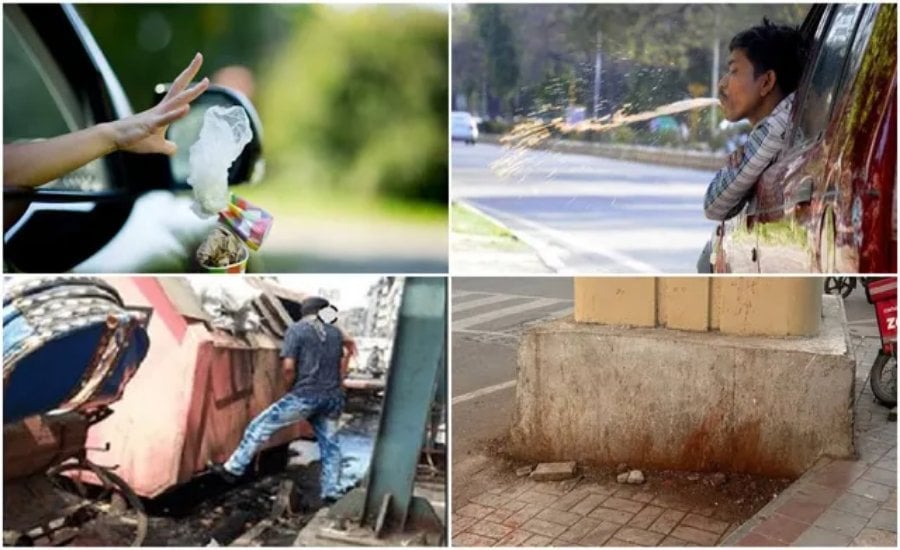
Kolkata: West Bengal has begun imposing fines for public spitting, littering, open defecation and the use of banned single-use plastic bags as the state steps up efforts to improve urban cleanliness.
The penalties range from ₹100 to ₹200 and aim to encourage behavioural change rather than generate revenue, according to Urban Development and Municipal Affairs Minister Agnimitra Pal.
Fines for Four Civic Violations
Under the new enforcement drive, people will face penalties for common violations in public spaces:
- Spitting: ₹100
- Littering: ₹200
- Open defecation or urination: ₹200
- Single-use plastic bags below 125 microns: ₹200
Pal said the government wants residents to develop a stronger sense of responsibility towards their cities and public spaces.
Read Also: ONGC Begins Commercial Crude Oil Production at Ashoknagar, Marking Major Milestone for Bengal Basin
Focus on Changing Public Behaviour
The minister said fines alone cannot keep cities clean and stressed the need for citizens to take ownership of their surroundings.
She appealed to commuters to think before throwing waste from vehicles or spitting in public places. The government hopes that regular enforcement, combined with awareness, will gradually change everyday habits.
Pal also said awareness cannot come from occasional cleanliness campaigns alone. Instead, people need to develop a lasting feeling that their city and state belong to them and should not be made dirty.
Dustbins and Public Toilets Being Added
The government has acknowledged that civic infrastructure is not yet fully ready for stricter enforcement.
Dustbins are being installed at important locations, particularly markets and areas near railway stations. Work is also underway to increase the availability of public toilets.
Pal said the enforcement of fines has started while the government continues to develop the infrastructure needed to support cleaner public spaces.
Plastic Alternatives to Be Promoted
The state is also working to provide alternatives to banned plastic carry bags.
Vending machines will be introduced in market areas to make alternative bags available. Corn-based bags will be offered at around ₹1, while cloth bags will cost between ₹5 and ₹10.
The government is also encouraging plastic manufacturers to shift towards varieties permitted under existing regulations.
Households Asked to Segregate Waste
Instead of placing dustbins inside residential areas, the government plans to encourage households to segregate their waste into two categories and hand it over to sanitation workers.
This approach is intended to improve waste collection at the household level while reducing indiscriminate dumping in public spaces.
Existing Rules Face Fresh Enforcement
The latest drive builds on legal provisions that have existed in West Bengal for several years. Under amendments to municipal laws in 2019, public spitting could attract a fine of up to ₹1,000.
Kolkata also has provisions for penalties against illegal dumping, with fines ranging from ₹50 to ₹5,000.
The latest initiative therefore shifts attention towards how effectively these existing and new provisions are enforced on the ground.
Clean Cities Push
The West Bengal government’s cleanliness drive combines penalties with infrastructure improvements, waste segregation and alternatives to banned plastic.
The immediate challenge will be ensuring consistent enforcement across cities while expanding basic civic facilities such as dustbins and public toilets. If sustained, the initiative could encourage cleaner public spaces and greater citizen participation in urban cleanliness.
Read Also: West Bengal Lines Up ₹6,000-Crore Haldia Petrochemicals Project for October 14 Inauguration