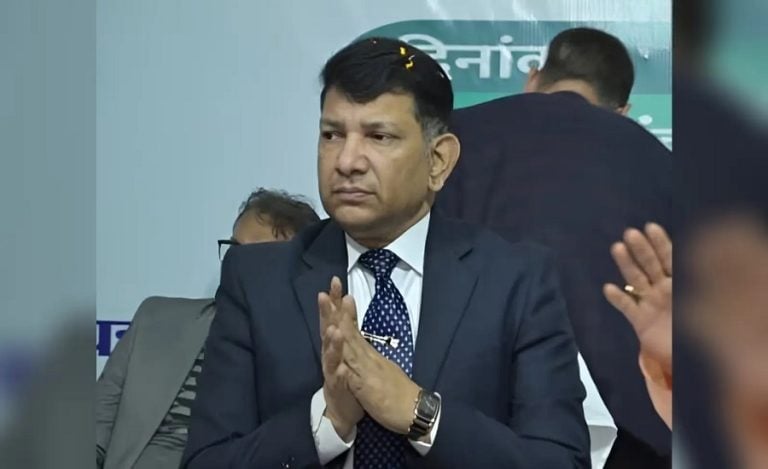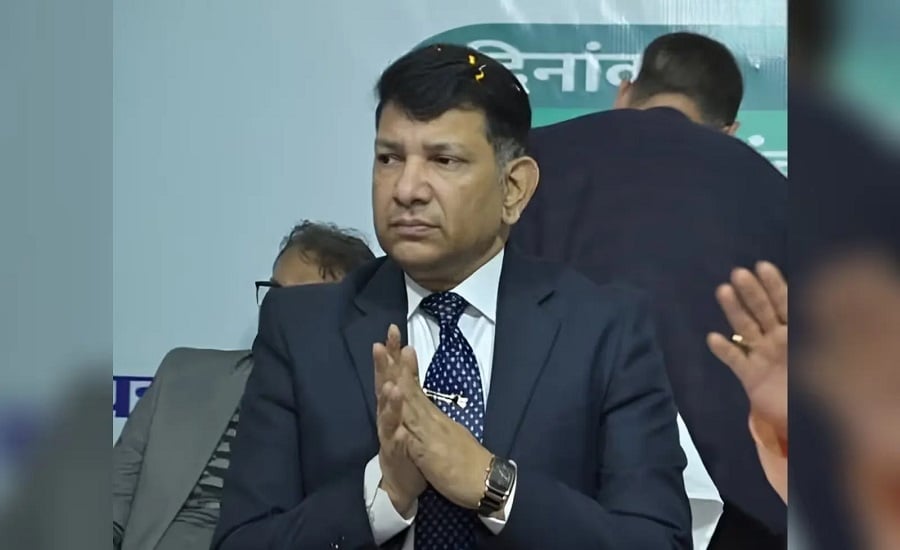
New Delhi: The appointment of senior IAS officer CK Anil as the Additional Chief Secretary (ACS) of Bihar’s Education Department has generated considerable expectations of administrative reforms in the state’s education system. Known for his firm approach, quick decision-making and emphasis on integrity, the 1991-batch Bihar cadre officer is expected to strengthen accountability, transparency and discipline across the department.
Bihar has consistently faced challenges in improving its position in national education rankings. Against this backdrop, Anil’s appointment has raised hopes of a renewed administrative push to address long-standing issues affecting government schools and education offices.
Who Is CK Anil? A 1991-Batch IAS Officer Known for His Firm Approach
A 1991-batch IAS officer of the Bihar cadre, CK Anil is known in administrative circles for his uncompromising approach, quick decision-making, integrity and strict working style.
He first came into the spotlight in 2004, when he was serving as the District Magistrate of Siwan. During his tenure, he earned a reputation for taking firm administrative action against influential criminal and political networks, including those associated with the late Mohammad Shahabuddin.
His reputation for enforcing rules, acting against alleged corruption and taking decisions without unnecessary delays has contributed to the positive response to his appointment. According to the account, his selection has received appreciation from sections of the ruling parties, the Opposition and ordinary citizens.
Read also: Bihar IAS Reshuffle: CK Anil Appointed Education ACS, Arvind Kumar Chaudhary Gets Additional Charge
CK Anil’s Appointment Creates Expectations in Education Department
Anil’s appointment has generated optimism among people hoping for improvements in Bihar’s education system. At the same time, his strict administrative approach has reportedly caused apprehension among some departmental employees, particularly those working in district-level education offices.
There are concerns that his close monitoring and action-oriented style may leave little room for administrative complacency or irregularities.
He will be supported by a team of senior officers, including IAS officer Rajiv Raushan as Secretary, along with other departmental officials.
A senior departmental employee, speaking on condition of anonymity, described Anil as an officer who combines legal understanding with practical administrative judgement. The employee said his approach could help ensure that decisions are both legally sound and workable for departmental staff and teachers.
More Than 35 Years of Administrative Experience
During a career spanning more than 35 years, CK Anil has reportedly held around 22 recorded postings across 20 locations.
One of his significant assignments was as Secretary of the Revenue and Land Reforms Department during Vijay Sinha’s tenure as minister. Officials familiar with his working style describe him as an administrator who believes in the rule of law, takes decisions promptly and closely monitors their implementation.
According to departmental accounts, Anil follows up on the orders he issues and expects them to be implemented. His approach is also described as being resistant to undue interference and attempts to influence administrative decisions.
Teacher Dress Code Among CK Anil’s Initial Initiatives
Soon after assuming charge of the Education Department, Anil reportedly began introducing measures aimed at strengthening discipline and professional conduct.
One of his initial initiatives is the introduction of a dress code for government school teachers and education officials. The move discourages Western-style attire and emphasises that teachers should present themselves as role models for students.
The underlying message is that teachers should command respect not only through their subject knowledge, classroom performance and conduct but also through their appearance and professional demeanour.
Review of District Education Offices Begins With Siwan
Anil has also initiated a review of the functioning of district education offices, with Siwan emerging as the starting point of the exercise.
The choice of Siwan is significant because of his earlier association with the district as District Magistrate. His tenure there in 2004 brought him recognition for his firm administrative handling of law-and-order issues.
The review is expected to bring greater attention to the functioning of district-level education offices and the implementation of departmental instructions.
Major Challenges Facing Bihar’s Education System
Despite the expectations surrounding his appointment, the challenges before Anil extend well beyond inspections and administrative discipline.
Bihar’s education system requires comprehensive improvements in several areas, including:
- Teaching standards: Improving the quality of classroom teaching and academic performance.
- Teacher attendance: Ensuring regular attendance and effective classroom engagement.
- School infrastructure: Addressing gaps in basic facilities and learning environments.
- Transparent recruitment: Strengthening fairness and transparency in teacher recruitment procedures.
- Accountability: Establishing measurable responsibility for educational performance and student learning outcomes.
- Administrative monitoring: Improving the functioning of district education offices and ensuring timely implementation of government decisions.
Addressing these issues will require sustained coordination between the Education Department, district officials, school administrations and teachers.
Teacher Transfer Policy and Transparency Will Be Key Priorities
The implementation of the government’s teacher transfer policy will also be an important test of the new administrative leadership.
There are expectations that Anil will ensure fairness and transparency in the transfer process, address genuine grievances and prevent arbitrary decisions or undue influence.
A clear and consistent approach to transfers could help build confidence among teachers while strengthening accountability within the department.
Can CK Anil Deliver Lasting Education Reforms in Bihar?
Ultimately, the success of CK Anil’s tenure will depend on whether he can translate his reputation as a decisive administrator into sustainable improvements in the quality of education across Bihar.
Strict supervision and disciplinary action may help restore institutional discipline. However, lasting reform will require a broader approach that combines academic excellence, better working conditions for teachers, improved school infrastructure and stronger learning opportunities for students.
His appointment has already generated expectations rarely witnessed in the Education Department. For many, it represents an opportunity to move away from administrative inertia and establish a stronger culture of accountability, transparency and performance.
Whether Anil can deliver the transformation that Bihar’s education system needs remains to be seen. His arrival, however, has sent a clear message that administrative complacency will face greater scrutiny.
Read also: Who Is IAS Pranjal Yadav? 2006-Batch Officer Faces BJP Questions Over Role in Varanasi MLC Counting