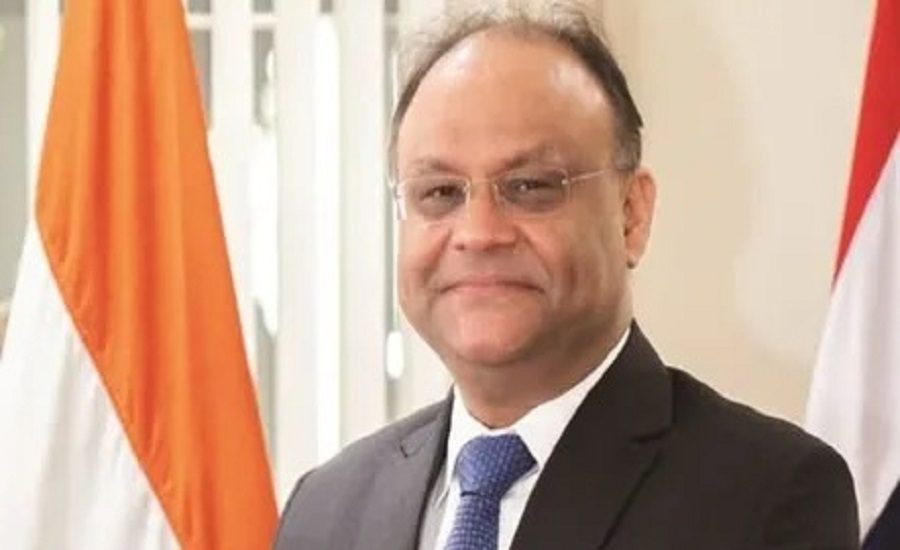
New Delhi: Senior Indian diplomat Nagesh Singh, an Indian Foreign Service (IFS) officer of 1995 batch, currently serving as India’s Ambassador to Thailand, has been appointed as the next High Commissioner of India to Australia. He will succeed Gopal Baglay (IFS:1992), who has been posted in Australia since September 2023.
The Ministry of External Affairs (MEA) confirmed the appointment on Monday, stating that Mr Singh is expected to assume charge shortly.
Distinguished Diplomatic Career
Mr Singh is a 1995-batch Indian Foreign Service officer with extensive experience in bilateral and multilateral diplomacy. Before his current assignment in Thailand, he served as Chief of Protocol in the MEA from July 2018 to October 2022.
Mr Singh’s illustrious career includes notable postings such as –
- Consul General of India in Atlanta (June 2015 – June 2018)
- Officer on Special Duty/Joint Secretary to the Vice President of India (September 2012 – June 2015)
- Director, Pakistan-Afghanistan-Iran Division, MEA (February 2010 – August 2012)
- Counsellor, Permanent Mission of India to the United Nations, New York (June 2006 – February 2010)
- Private Secretary to the Minister of State for External Affairs (June 2003 – May 2006)
- Under Secretary (Pakistan), MEA (September 2002 – May 2003)
He also served in key international missions, including the Indian embassies in Paris and Dakar (Republic of Senegal), where he held concurrent accreditation to several West African countries.
Academic Background and Personal Life
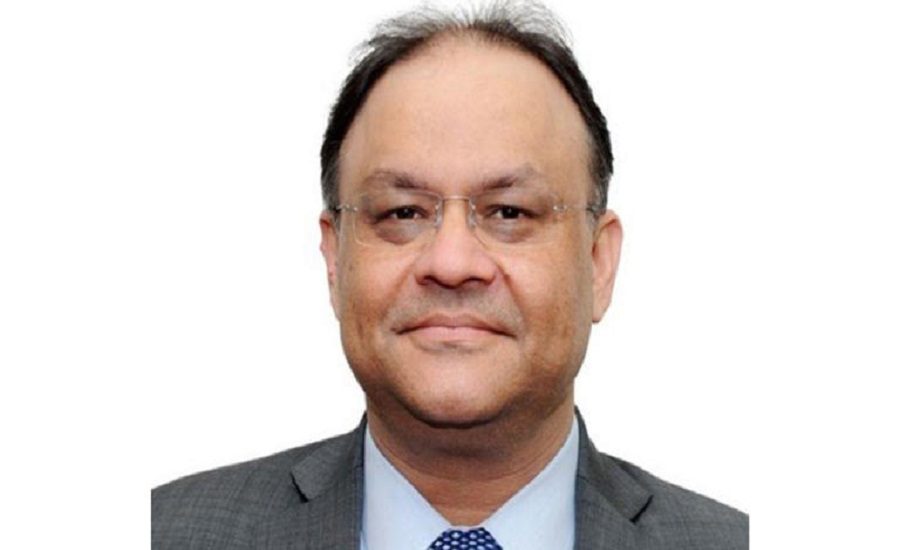
He holds a Bachelor of Arts (Honours) in Economics from Delhi University and a Master’s degree in Economics from the Delhi School of Economics. Fluent in Hindi, English, and French, he is married to Pragjna Singh, and the couple has a son and a daughter.
Appointment Amid Global Security Concerns
IFS Singh’s appointment comes at a crucial time when global security and counter-terrorism remain high on the international agenda. Recently, Australia faced a major terror attack in Sydney’s Bondi Beach, which claimed the lives of 15 innocent civilians.
External Affairs Minister S. Jaishankar spoke to his Australian counterpart Penny Wong on Monday to convey India’s condolences. Prime Minister Narendra Modi also condemned the attack, particularly targeting the Jewish community, and expressed solidarity with the victims’ families.
Strategic Significance of the Posting
Australia is a key partner in India’s foreign policy, and Singh’s extensive experience in protocol, multilateral diplomacy, and crisis management positions him well for this sensitive assignment. His tenure is expected to strengthen bilateral ties between India and Australia, particularly in areas of security cooperation, trade, and cultural exchange.
India-Australia Relations
India and Australia share a long-standing and multifaceted partnership encompassing trade, defense, education, and people-to-people ties. Both countries have actively collaborated on regional security, counter-terrorism, and climate change initiatives. Singh’s appointment comes at a time when both nations are looking to deepen strategic engagement, enhance economic cooperation, and foster closer cultural and academic exchanges. His presence in Canberra is expected to further consolidate India-Australia relations and strengthen collaboration across multiple sectors.
Over the past 15 years, India and Australia have steadily strengthened their strategic, economic, and cultural ties –
- Trade Growth: Bilateral trade has grown significantly, covering sectors like energy, technology, mining, and infrastructure.
- Defense Cooperation: Joint military exercises and collaborations in maritime security have intensified, reflecting shared strategic interests in the Indo-Pacific.
- High-Level Visits: Numerous prime ministerial and ministerial visits have strengthened diplomatic and political engagement.
- Education Ties: India has become one of the largest sources of international students in Australia, boosting academic and cultural exchange.
- Counter-Terrorism Collaboration: Both nations have worked closely on intelligence sharing and counter-terrorism initiatives.
- Climate Change and Sustainability: Cooperative efforts on climate action, renewable energy, and sustainable development.
- Multilateral Partnerships: Active collaboration in forums such as the Quad, G20, and Commonwealth initiatives.
- People-to-People Links: Cultural exchanges, tourism, and diaspora engagement have enhanced mutual understanding and goodwill.