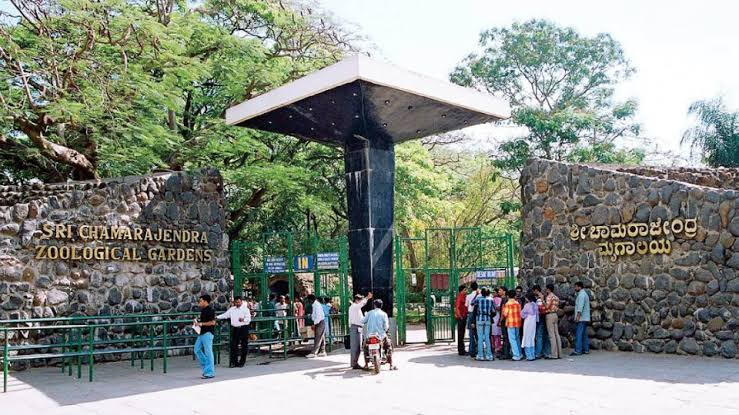
Besides being one of the oldest zoos in the country, the Sri Chamarajendra Zoological Gardens, popularly known as the Mysore Zoo, is also one amongst the few self-sustainable zoos. In the past two decades, the zoo administration has introduced many interventions, innovations and programs that has set an example for other zoos in the country to follow. From waste management policy to conservation efforts and flexible animal adoption program, this zoo has also created history by earning surplus revenue and becoming self-sustainable.
During a conversation with Indian Masterminds, the Executive Director of Mysore Zoo, Mr. Ajit Kulkarni, IFS, explained the several initiatives taken up by the zoo that led to it being self-sustainable.
WASTE MANAGEMENT
Every day, the zoo produces tons of waste in form of animal dung, fodder residue, plastic bottles and food packets, etc. Mysore Zoo has initiated a program through which the waste gives them good revenue. After segregation, the bio-degradable waste is used for making biogas, vermicompost, manure in the campus itself.
Mr. Kulkarni said that every year they make 150-200 tons of compost and manure which is used for the zoo garden and the surplus is sold to the nearby farmers. The biogas is used for making food for the animals.
“We give ragi bowl to the elephants and the other animals also get specific food cooked in the zoo kitchen. We no longer need cylinder gas, biogas produced here is enough for all the kitchen requirements. It might come as a surprise, but we earn around 14-15 lakhs from the waste annually.”
NO PLASTIC ZONE
The zoo also has a no-plastic policy. No visitor is allowed to carry any form of plastic inside. Zoo administration provides them paper bags to carry their food or other stuff.
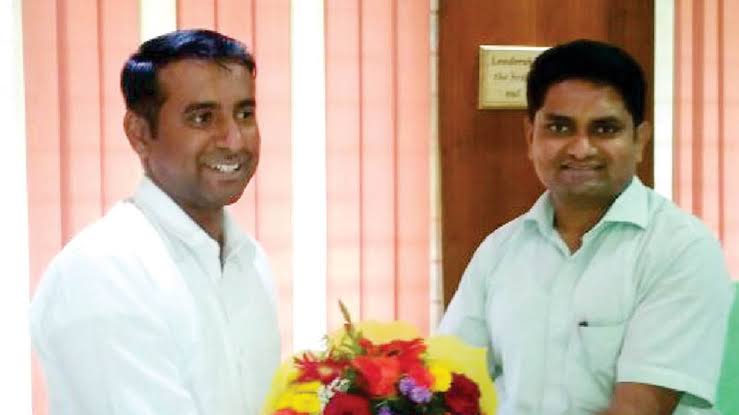
Mr. Kulkarni said, “This has helped us to reduce the plastic waste. If any visitor insists on taking any plastic stuff with them, we put a bar code of Rs. 10 which is refunded to them when they come back from the visit.”
He also mentioned that the zoo has tied up with various NGOs for the recycling of plastic.
RAINWATER HARVESTING
Mysore Zoo gets around 10,000 visitors daily. It also has a vast range of animals. It is home to approx. 3000 species, including gorillas, orangutan, African white rhino, cheetah, zebra, etc. For the animals and for basic utilities of the visitors and staff, the zoo needs 20-24 crores liters of water annually.
“The zoo is situated on the Chamundi foothills and has a lake called Karanji. Earlier, the zoo premises, including the animal enclosures, would get flooded during the rains. However, now, we have made some changes in the infrastructure, like reconstructing the flood water drains with stone pitching, creating rainwater ponds and connecting them with the animal enclosures. All these have helped in controlling the flood-like situation,” Mr. Kulkarni said.
Explaining exactly how, he further said that the water doesn’t run in the zoo now, instead it stays at one place for long which allows them to harvest it for several purposes. “Yearly, we are able to harvest around 79 crore litres. The surrounding areas of the zoo and the farmers are also benefitted by this system as no borewells go out of water during the summers also.”
The zoo also provides RO water for free to the visitors. Seventy percent of the water that goes wasted from the RO units are reused in the zoo gardens.
CONSERVATION EFFORTS
The Mysore Zoo is also playing an integral role in conservation of unique species. It has been running a series of conservation education programs from the last 28 years. It provides specialized courses in conservation studies. It also has youth clubs and organizes summer camps regularly.
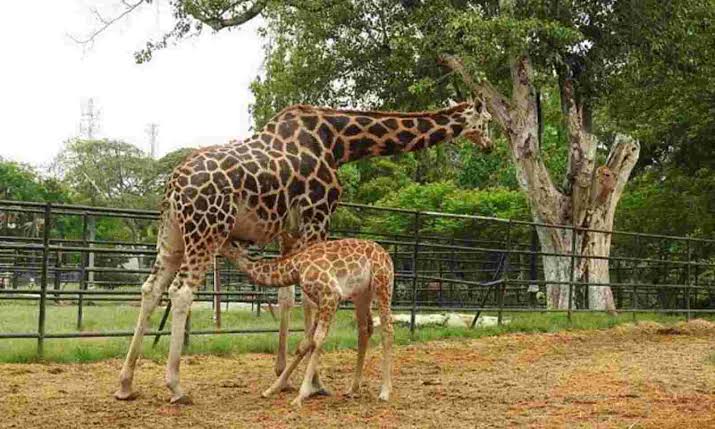
Mysore Zoo has also managed to construct a rescue rehabilitation centre from its sources. They are also going to conduct conservation breeding for seven species. Talking about it, Mr. Kulkarni said, “The breeding will be done on Indian gaur, dhole, giant squirrel, grey wolf, Nilgiri languor and lion-tailed macaque. Four facilities have already been created for the breeding.”
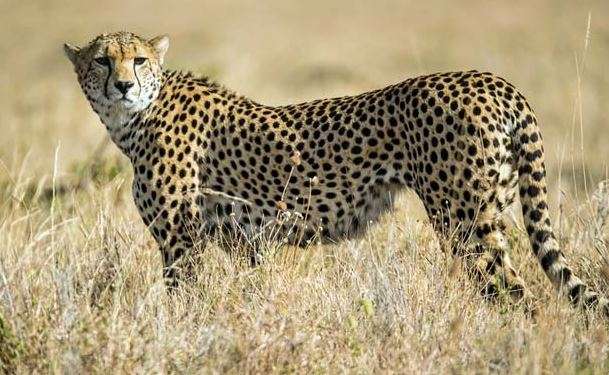
Apart from all these innovations, the zoo also offers free entry to specially abled and has a library with a range of books on conservations. The adoption program of the zoo is also one of the oldest. In the last one year, the zoo got crores in form of contributions from people across society, including several actors and politicians.