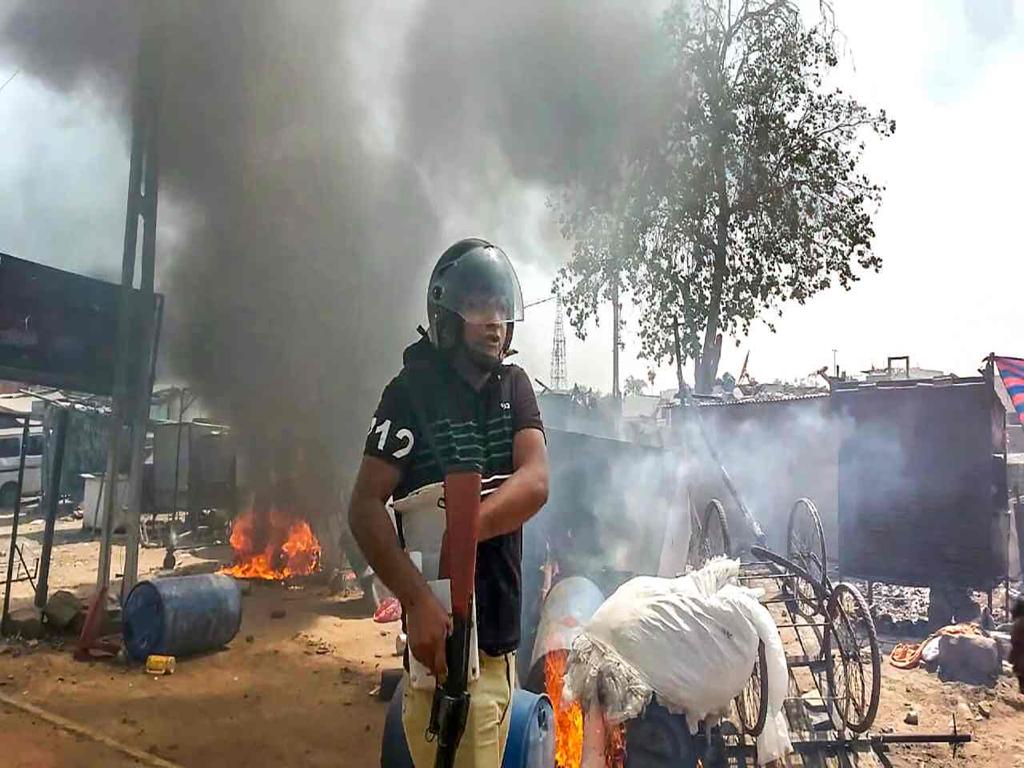
The recent communal violence in the country, with clashes breaking out during Ram Navami and Hanuman Jayanti processions, has left the country uneasy, with people raising concerns at the handling of the situations. The most recent one in Delhi’s Jahangirpuri invited worldwide attention after bulldozers were used by the administration to demolish houses and shops of alleged rioters.
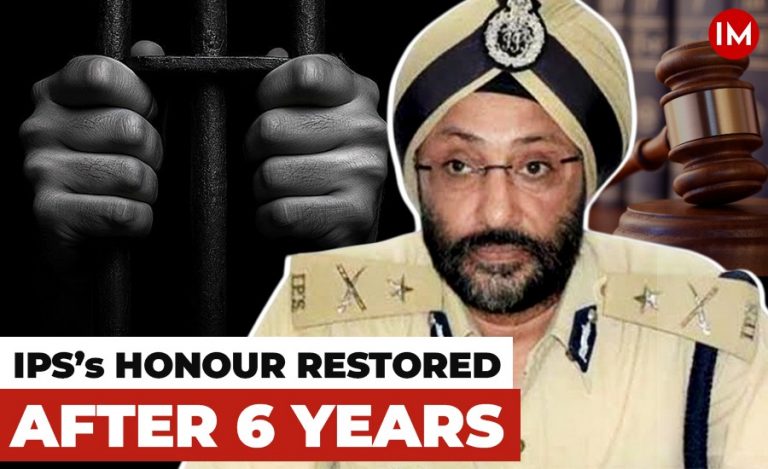
As people debate this step, both outside and inside the television channels’ studios, the country’s first woman IPS officer and former Lt. Governor of Puducherry, Kiran Bedi, has come out with a list of suggestions to prevent this kind of communal violence in the future.
In an interaction with Indian Masterminds, Ms. Bedi outlined those suggestions, also giving an example of how she handled similar communal unrest during her stint as a police officer in North Delhi and effectively prevented riots from breaking out.

NEW DELHI 1986
On Oct 4, 1986, Sec 144 was imposed in the Walled City areas of Delhi. Ms. Kiran Bedi was then the chief of the North district police. Sector 144 was imposed in Jama Masjid, Kotwali, Hauz Qazi and Town Hall police station areas following clashes between the police and violent processionists, who had wanted to take out a Ramlila procession through the traditional route and were refused permission. The following day, there was a protest led by political leaders against the police decision.
“This was a high-powered protest led by powerful politicians of the day in Delhi. All key leaders were arrested for violating prohibitory orders. They pleaded guilty and were convicted. It sent a very powerful message that public safety cannot be compromised. To restore peace faster, we formed women peace panels that did a phenomenal job of restoring harmony,” Ms. Bedi says.
LAKHIMPUR KHERI 1990
Just like Ms. Bedi, there have been many other instances in the past when bureaucrats rose to the occasion and did what was needed to do to prevent outbreak of communal riots.
During October-November 1990, after Kar Sevaks had been fired upon in Ayodhya, many parts of the country had faced communal conflagration. In Lakhimpur Kheri, Uttar Pradesh, the district president of then ruling party, Samajwadi Party, wanted to take out funeral procession of one of his party workers through localities dominated by another community. The District Collector denied the permission. He even arrested the district president when the latter insisted upon taking out the procession.
Predictably, the then Chief Minister called the District Collector to secure release of his party man. The DC replied: “Sir, as you are aware, most of the districts have witnessed violence and are under curfew. Only, Lakhimpur has survived so far. But, if this procession is allowed, the district will certainly plunge into violence. Kindly direct me what to do.” The CM thought for a while and told the DC to do what he thought was prudent and proper.
The DC sent a contingent of police force, got last rights done under police vigil, and then released the politician.
ALIGARH 1992
In 1992, post demolition of the Babri Masjid, again most areas in the country witnessed violence. But Aligarh, despite being one of the most communally sensitive districts, remained calm. It was because the then District Collector and SSP formed mohalla peace committees and held regular meetings with them and in their respective localities.
KIRAN BEDI’S 7 POINTERS TO PREVENT RIOTS
Concerned with the recent spate of communal clashes in the country, Ms. Kiran Bedi suggests seven steps to prevent violence from breaking out during religious procession through sensitive areas. These are:
- Before allowing and permitting processions through congested and communally sensitive areas, some strict dos and don’ts must be put in place,to make people of the areas equally responsible for safe keeping and maintaining peace.
- Area respectables should be involved in acting as guardians, like organised market associations and mahila mandals. Women can play a very useful role in ensuring peace.
- Any persons with criminal past records, if living in the area, must be brought under close check by use of preventive sections of law, like peace bonds with sureties to maintain peace. Failing which, the peace bonds with sureties to be forfeited and the persons go to judicial custody.
- Roof top searches must be done to check any pile up of inflammable material or brickbats material, and get cleaned up by the civic agencies.
- Any persons with weapon licenses in the area must be asked to deposit their weapons in the police station for safe keeping.
- Proper area-wise police arrangements to be made on papers involving women residents of the neighbourhood. Form women peace committees. Local police and the area respectables should hold prior meetings as preparatories.
- Survey all cameras. All cameras must be functional and brought under close watch to retain their recording by a written lawful legal direction to the people. And more as per the special needs of the area and intelligence inputs.
As cliché as it may sound, prevention is always better than cure. Ms. Kiran Bedi and the two other bureaucrats we have given examples of, have proved that what is needed is the will and courage to do what is right even in the face of opposition.
As Ms. Bedi says, “Never compromise on doing what is right. For this alone is your duty.”