Haryana’s carrot and stick policy has started yielding results. The state has lowered the air pollution by at least 50 percent by imposing a penalty on farmers burning paddy stubble in their farms while incentivising those not doing so. Stubble-burning farmers have not only been arrested by the police as per a new provision but have also been barred from selling their produce in Mandis on Minimum Support Price (MSP).
Burning paddy stubble, while convenient for farmers, unleashes vast amounts of smoke and pollutants into the air, severely degrading air quality across states like Delhi, Haryana, Punjab, and parts of Uttar Pradesh. In response to this recurring crisis, the Haryana government has ramped up efforts to control stubble burning, including making several arrests in Kaithal district.
In a major push to prevent stubble burning in Haryana, several farmers were arrested in Faridabad’s Kaithal district under the newly enforced provisions aimed at controlling air pollution.
THE CRACKDOWN IN KAITHAL
This year, to address the recurring crisis, the Commission on Air Quality Management (CAQM) has given more power to local authorities. For the first time, the authority has devolved power to state and district-level officials, allowing them to take direct action against farmers engaged in stubble burning. In Kaithal district, several farmers have been arrested (although exact numbers are yet to be disclosed) under the provisions of the new Bharatiya Nyay Sanhita, Section 223, which prohibits the act of stubble burning as it contributes to air pollution.
Deepak Karwa, IAS, the Additional Deputy Commissioner of Kaithal, confirmed that these arrests are part of a broader strategy to discourage stubble burning. “The directive is clear: farmers are prohibited from burning stubble, which adds significantly to air pollution. Instead, they are encouraged to explore alternatives like selling the stubble for other uses such as fuel or power generation,” Mr. Karwa shared with Indian Masterminds.
BLACKLISTING FARMERS FROM MANDI
In addition to arrests, around 400 farmers have been blacklisted from selling their crops in the government-regulated mandis (markets) for the next two seasons. This new policy, aimed at deterring farmers from stubble burning, includes making a red entry in their land records. This will prevent them from generating the necessary token through the ‘e-Kharid’ portal to sell their produce at the Minimum Support Price (MSP). Farmers who wish to sell their crops at MSP are required to register on the ‘Meri Fasal Mera Byora’ portal and generate a token. However, if they are caught burning stubble, they will not be able to participate in this system.
“The idea is not to punish, but to motivate farmers to adopt cleaner practices,” said Mr. Karwa. “We are also offering a ₹1,000 per acre incentive for those who choose to sell their stubble instead of burning it. It’s about offering viable alternatives and making them financially rewarding.”
SATELLITE DATA AND GROUND-LEVEL ACTION
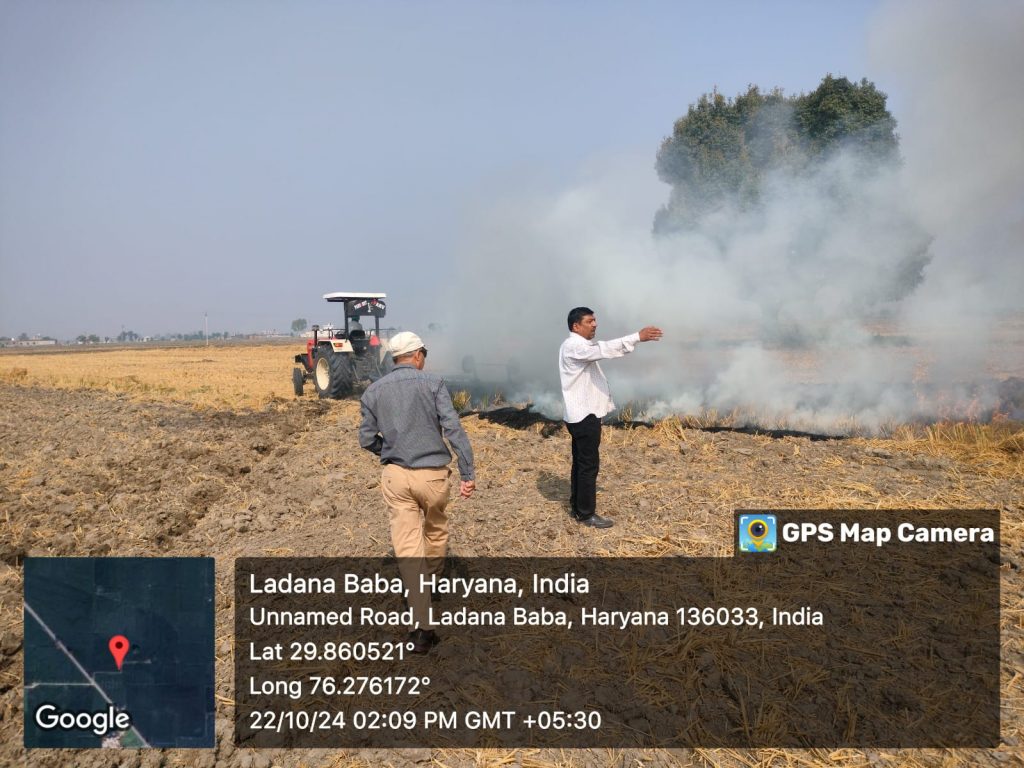
To monitor stubble burning, the district administration in Kaithal relies on a combination of satellite data and on-ground surveillance teams. Satellite imagery is used to detect active fire locations, which are then relayed to the state government. These locations are filtered down to the district level, allowing teams to be dispatched to the fields immediately.
“As soon as we receive a fire location from the satellite, our teams are sent to the ground to verify and take action,” explained Mr. Karwa. “In many cases, what is reported as stubble burning may not always be the case. We’ve seen instances where the fire was due to a short circuit or other non-agricultural causes.”
Kaithal district also has on-field teams actively patrolling agricultural areas during the harvest season to extinguish any fires and engage with farmers directly. If a fire is found, the teams spray water to extinguish it and counsel farmers on selling the stubble instead of burning it.
IMPACT OF AWARENESS CAMPAIGN
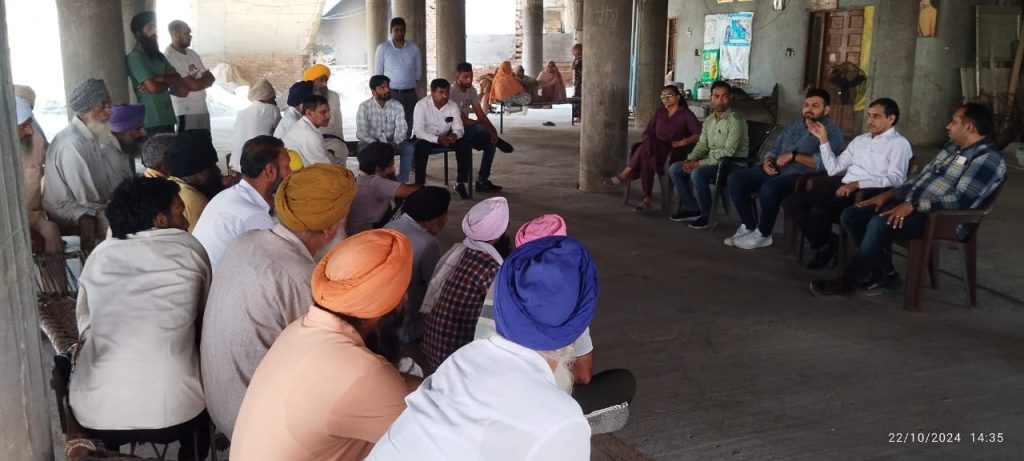
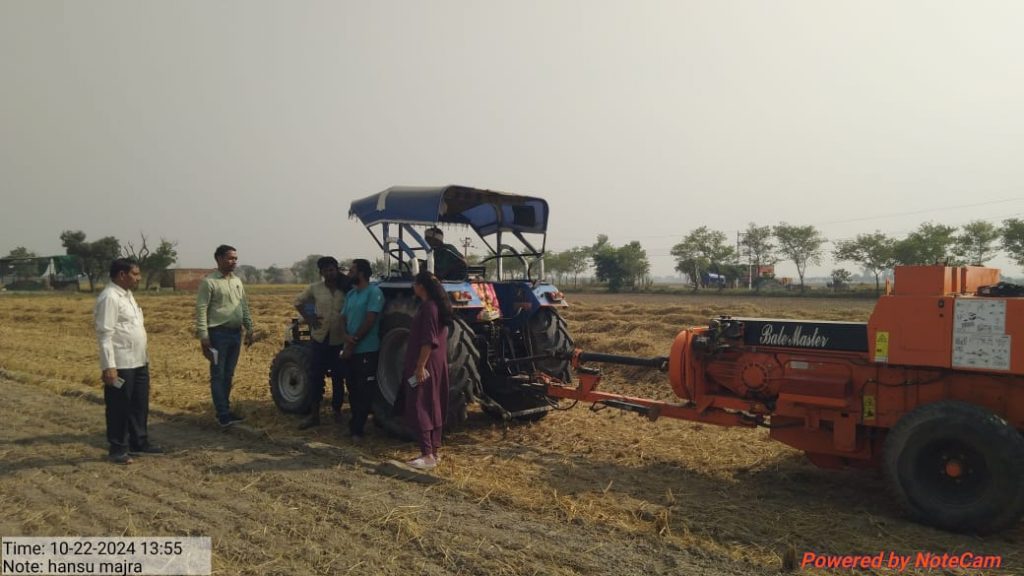
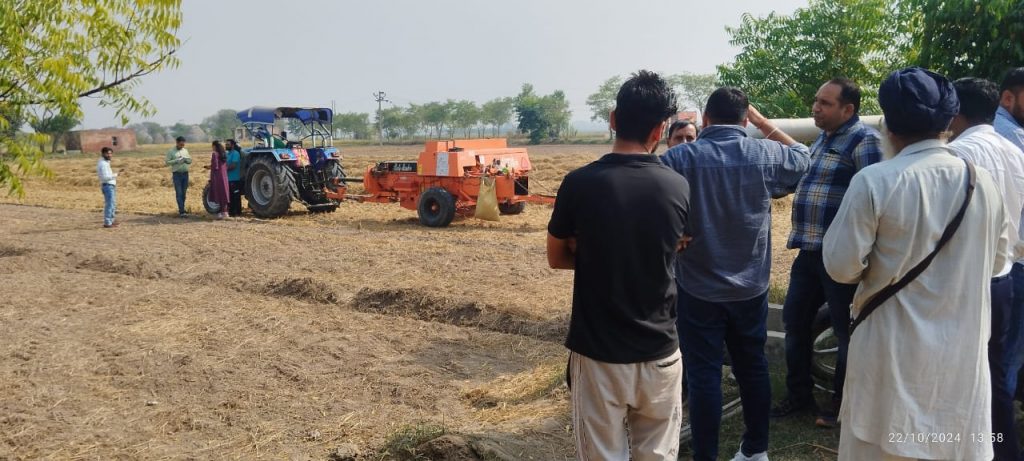
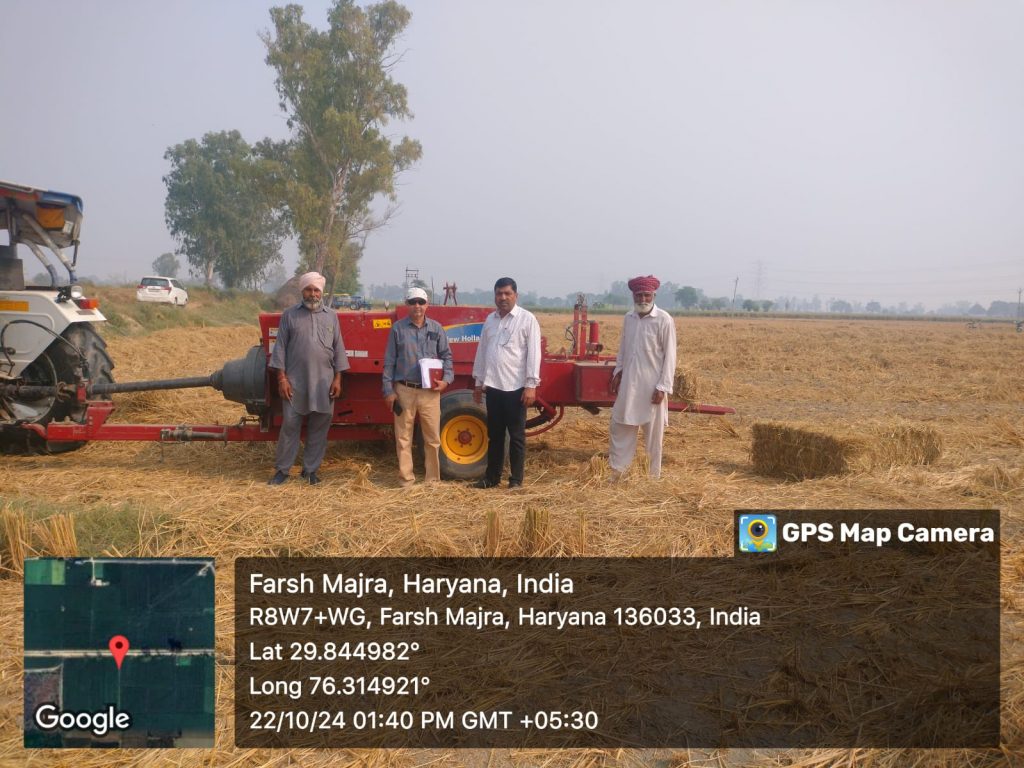
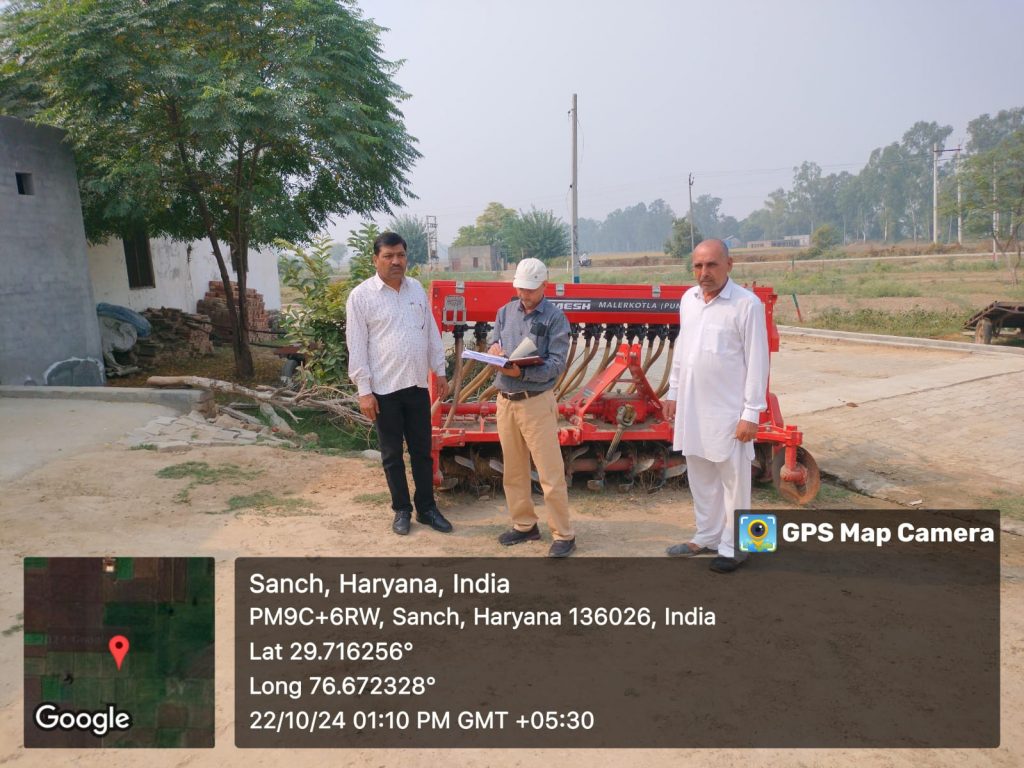
Beyond enforcement, the district administration has also been working on awareness campaigns to educate farmers on the harmful effects of stubble burning. These campaigns, often led by the agriculture department and local officials, emphasise the financial and environmental benefits of using machines like balers to collect stubble for sale. The stubble can then be used by industries like brick kilns or power plants as fuel, providing farmers with an additional income stream.
“The awareness efforts are paying off,” Mr. Karwa noted. “Year after year, we are seeing a 50% reduction in stubble burning cases. In districts like Kaithal and Karnal, the numbers have come down significantly. We still have a long way to go, but the progress is encouraging.”
DIWALI AND THE AIR QUALITY CRISIS
As the region prepares for Diwali, another challenge looms: firecrackers. With air quality already worsening due to seasonal factors, the use of firecrackers could further aggravate pollution levels. In light of this, the Haryana government has banned the sale of regular firecrackers, allowing only “green” firecrackers that are said to cause less pollution.
“We’ve received direct orders from the state government to ensure that no illegal firecrackers are sold in the district,” Mr. Karwa explained. “It’s all part of a broader effort to keep air quality from deteriorating further as we approach winter.”
THE ROAD AHEAD
While the number of stubble burning incidents in Haryana has reduced over the years, the issue is far from resolved. This year alone, over 600 cases have already been reported, although not all of these incidents involve confirmed cases of stubble burning. According to Karwa, of the 123 cases reported recently, only 79 were confirmed after physical verification.
The administration’s strategy in Kaithal, combining enforcement with awareness, incentives, and real-time monitoring, is making a difference. As the crackdown intensifies, the hope is that farmers will adopt cleaner, more sustainable practices and that stubble burning will become a thing of the past.
However, as Mr. Karwa admits, “It’s an ongoing process. We can’t solve this problem overnight, but the steps we are taking now are critical for the future of both our farmers and the environment.”