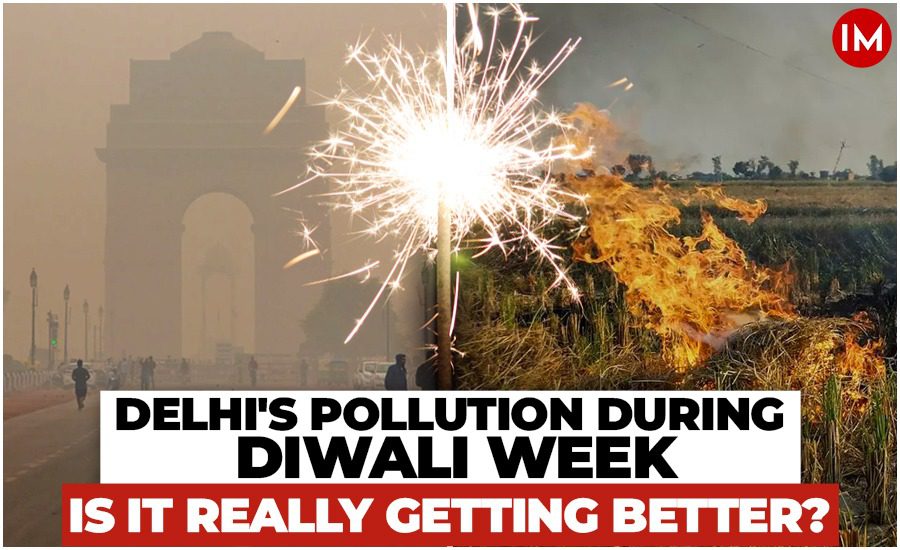
In the heart of Delhi, as the festive lights of Diwali began to fade, a palpable tension lingered—not just from the remnants of celebration, but from the ongoing battle against pollution. This year, however, was different. For the second time since 2015, Delhi’s air quality remained at “very poor” instead of deteriorating into “severe.” There is hope that with continued efforts, it will improve even further next year.
This positive change can be credited to the prohibition on firecrackers and a significant reduction in stubble burning in Punjab and Haryana. Additionally, uncharacteristically strong winds, reaching speeds of 16 kilometers per hour, played a pivotal role in this small triumph. As residents went about their day, these winds whisked away the lingering smoke from firecrackers and agricultural burning, creating a fragile balance between celebration and health.
Indian Masterminds recently spoke with Ms. Sakshi Sawhney, a 2014 IAS officer and Deputy Commissioner of Amritsar, about initiatives to combat pollution and improve air quality. Anumita Roychowdhury, Executive Director at the Centre for Science and Environment (CSE), also provided insights on the air quality situation.
Read This Too: Turning the Tide: How Amritsar is Tackling Stubble Burning
Reduced Cases
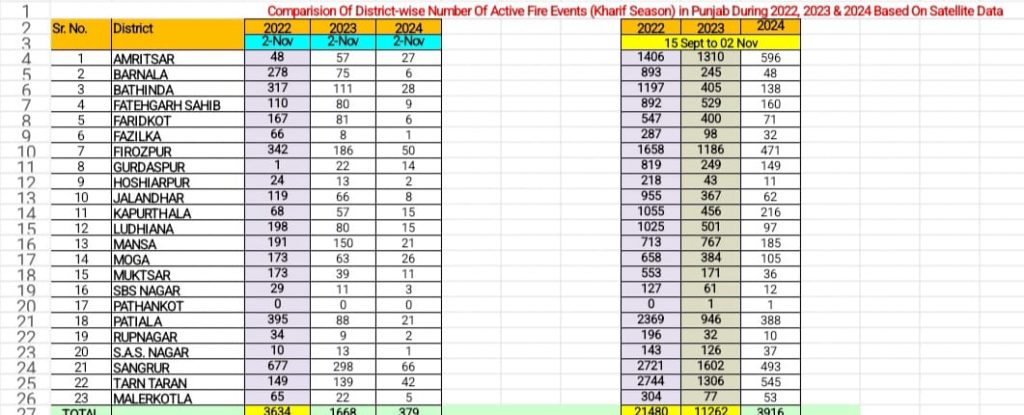
A key reason for the improvement in air quality is the strict prohibition on firecrackers, coupled with rigorous enforcement of regulations regarding stubble burning in Punjab and Haryana. This year, districts in Punjab, including Amritsar, have seen a significant decline in stubble-burning incidents. For example, on November 2nd last year, there were 57 reported cases, while this year, that number has decreased to just 27.
The administration in Punjab has been proactive in addressing this issue, actively engaging with farmers to promote sustainable agricultural practices. Even during holidays, officials are on the ground, working tirelessly to motivate farmers to adopt machinery for stubble management instead of burning. This collaborative effort aims to not only reduce pollution but also improve the overall health of the community and the environment.
Ms. Sawhney stated, “We are proactively reaching out to farmers in the field and providing them with machinery. Our call center and control room have successfully contacted over 5,000 farmers to offer assistance with equipment. Additionally, we have adopted 100 marginal farmers, providing them with free stubble management solutions. We are working relentlessly to curb farm fires.”
Read This Too: Haryana Lowers Stubble Burning By 50 Percent
Positive Trends in Punjab
Amritsar reported only 596 stubble-burning cases during the festive months from September 15 to November 2 this year, a significant drop from 1,310 cases last year and 1,406 cases in 2022. Other districts in Punjab have also seen notable improvements. For instance, Barnala recorded just 48 cases this year, compared to 245 last year. Similarly, Bhatinda reported only 138 cases this year, down from 405 last year and 1,197 in 2022. These figures clearly indicate that the measures implemented in Punjab are effectively reducing instances of stubble burning, which has had a positive impact on air quality in the Delhi NCR region.
Ms. Sawhney emphasized, “We are all in the field, regardless of holidays, and we are motivating farmers to manage stubble through machinery.”
A Crackdown on Firecrackers
In addition to these efforts, the Delhi Pollution Control Committee (DPCC) has imposed a ban on the sale, storage, manufacturing, and use of firecrackers in the city until January 1, 2025, including online sales. This measure aims to control air pollution during the winter season, a time when air quality often deteriorates. The only exception is for “green crackers,” which are less harmful and free of toxic chemicals like barium and lead. These can be used during limited hours, such as 8 PM to 10 PM on Diwali.
This decision comes in light of the harmful effects of traditional firecrackers, which release heavy metals and toxic gases that pose serious risks to the respiratory system. By enforcing this ban, authorities hope to protect public health and improve air quality, especially during a season that sees increased pollution levels.
Mixed Blessings
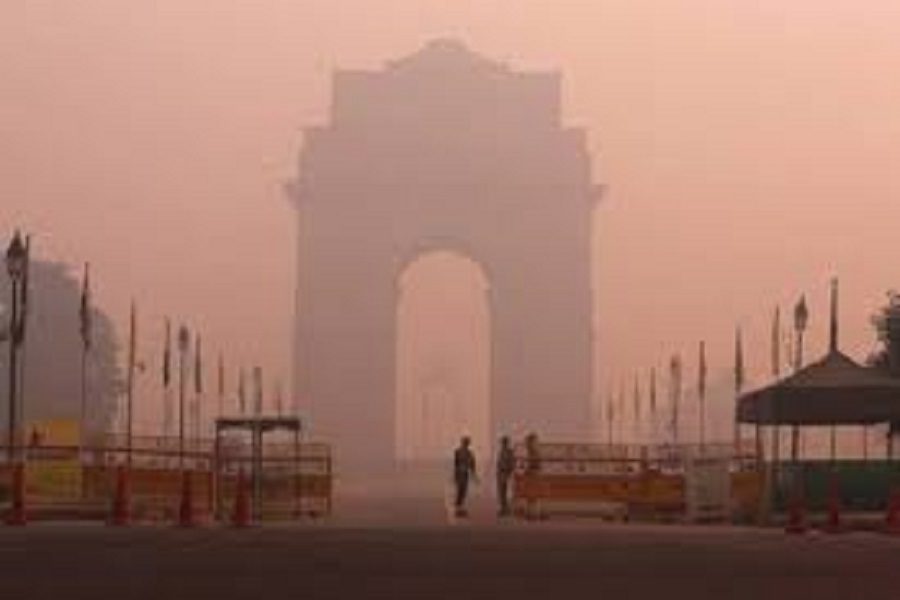
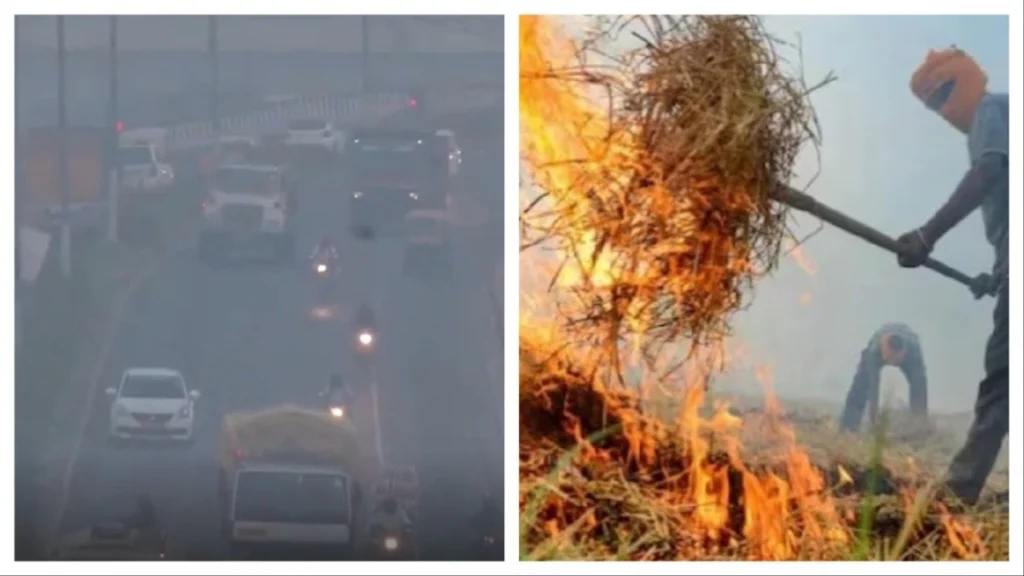
The day after Diwali, the morning atmosphere grew thick with haze. The air quality index (AQI) peaked at a concerning 362 at 9 AM but began to stabilize, dropping to 354 by noon. Despite some positive trends, the shadow of pollution remained. Increased stubble burning during the festival contributed to a toxic mix of pollutants, compounded by emissions from local sources.
While some neighborhoods refrained from excessive fireworks, others compensated with larger displays, leading to elevated pollution levels. Air quality remained a pressing topic, with many expressing concern about the potential long-term health effects of this persistent pollution.
Ms Roychowdhury noted that while Diwali air quality was very poor, it improved to moderate levels the next day due to warm temperatures and wind. However, October saw more poor air quality days than in previous years, despite farm fires contributing only 1-3%, underscoring the significant impact of local and regional pollution.
Seeds of Change
As the day progressed, shifting winds cleared the skies, providing temporary relief from the haze. By afternoon, a sense of calm settled over the city, sharply contrasting with the chaotic air quality readings earlier in the day.
The idea of launching initiatives to educate neighbors about sustainable practices and the importance of reducing pollution began to take root, fostering a collective commitment to improving their environment.
A Movement Grows
Days turned into weeks, and while the AQI occasionally spiked above 350, the community began to rally. Clean-up drives, workshops on sustainable farming, and campaigns against firecracker use were organized, slowly transforming the neighborhood into a hub of environmental activism.
As winter approached and the familiar chill settled in, the winds continued to carry whispers of hope. People became more conscientious, engaging in discussions about air quality and advocating for systemic change.
Looking Ahead
Though air quality in Delhi remains a persistent challenge, the seeds of awareness have been sown. Each small victory – ranging from reduced stubble burning incidents to increased community participation—marks a significant step toward a cleaner, healthier future. As the festival of lights approaches once more, a newfound sense of optimism fills the air. Together, the community is not just celebrating the festival; they are reclaiming their right to breathe clean air.