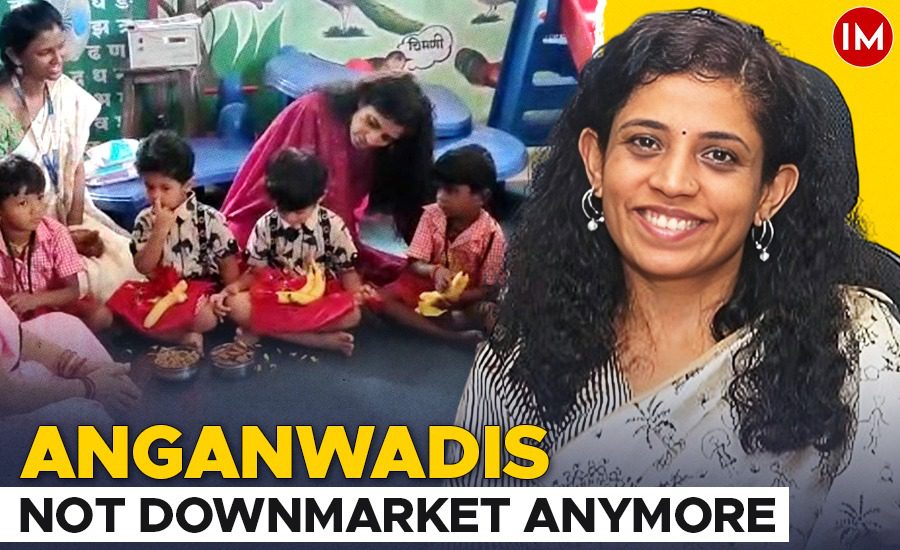
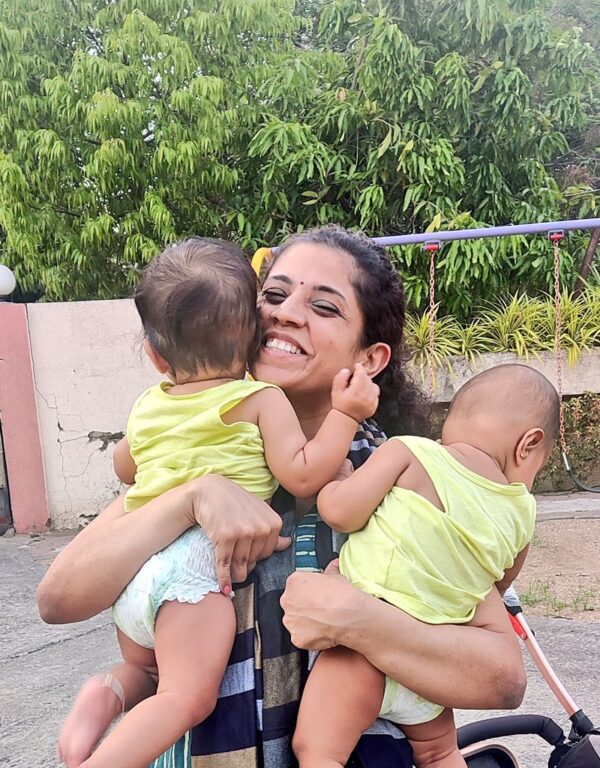
The morning light in Maharashtra’s Nandurbar district was still soft when District Collector Dr Mittali Sethi walked her twin sons, Shukar and Sabar, to the Tokar Lake Anganwadi – four kms from the town. There was no entourage, no camera crew – just a mother holding two small hands and stepping into a brightly painted classroom filled with clay toys, steel plates, and laughter.
That modest act – enrolling her children in a government-run preschool – has travelled far beyond Nandurbar. It has struck a nerve, rekindling an old conversation about faith in public education and what it means for those who run the system to also belong to it. Interesting part is that most children in this anganwadi are from local tribal communities speaking local Ahirani language, not Hindi or Marathi, let alone English.
Speaking exclusively to Indian Masterminds about her decision, she said, “I definitely think that the fortune is ours to have a place with such richness and community exposure for my children.” Since the Anganwadi and school are in the same premises, it’s easier to pay attention to both, Dr Sethi said with her characteristic calm. “And I’ll get a first-hand sense of what needs improvement. This, for me, is part of my social responsibility,” she added.
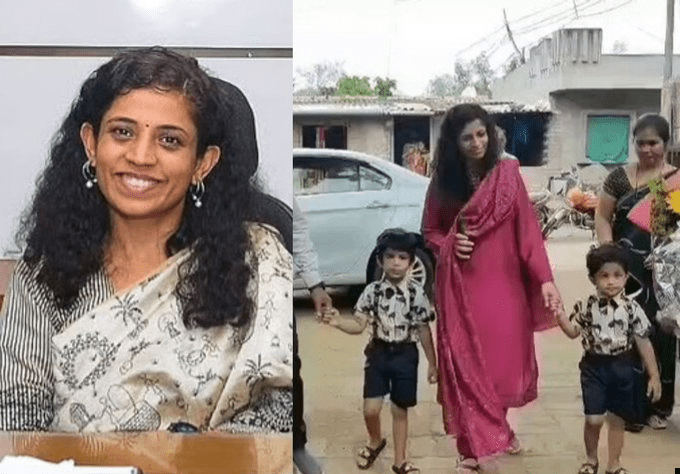
Her words may be simple, but the symbolism is profound. In a nation where well-to-do parents chase private admissions with the fervour of an annual ritual, here was an IAS officer — one of the system’s own architects — quietly reaffirming her trust in it.
While Searching For Deeper Meaning in Life, She Stumbled Across UPSC, and Became an IAS Officer
Government schools and Anganwadis have long carried the burden of perception — tagged as the last resort for those who can’t afford “better.” But a quiet shift is underway. Across India, a handful of civil servants are challenging that bias not through speeches, but through their own children’s enrolment forms.
STARTING A CONVERSATION
Back in Nandurbar, Mittali Sethi’s decision was no one-day gesture. Known for her field work and gentle but firm style, she often drops in at the Anganwadi to check nutrition quality and classroom activity. She speaks less about optics, more about empathy. “One admission can’t change the system,” she says candidly. “But it can start a conversation.”
And that conversation has already started — across WhatsApp groups, newsrooms, and even within bureaucratic circles. Parents have begun to ask why only the poor should rely on government schools. Teachers feel a renewed sense of pride. And officers like Sethi see a chance to connect with communities at a human level.
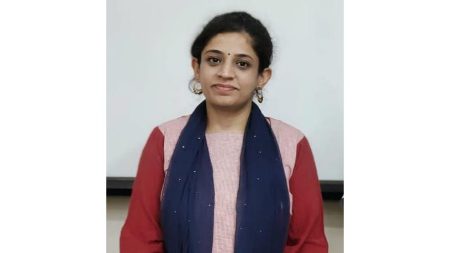
Her act isn’t rebellion — it’s reclamation. Reclaiming the idea that government institutions belong to everyone, not just those who have no other choice.
REPUTATION FOR GOOD GOVERNANCE
For those who have followed her career, this gesture feels entirely in character. A 2017-batch IAS officer of the Maharashtra cadre, Dr Mittali Sethi has consistently blended empathy with innovation. Before arriving in Nandurbar, she served in Gadchiroli — a remote, tribal-dominated and Left-affected district — where she earned widespread recognition for improving maternal and child health.
She also became an ambassador of breast-milk donation when she started the practice at Nagpur. The idea was simple yet transformative: collect and store breast milk to ensure that malnourished and pre-term infants of mothers unable to lactate could still receive essential nutrition. The project, executed with local women’s participation, saved lives and inspired replication elsewhere.
Her sensitive approach to public administration later won her the Award for Best Practices in Governance, conferred by the Indian Institute of Public Administration (IIPA), for her community-driven innovations in health and education. Those who worked with her describe her as “firm yet approachable” — a rare mix of discipline and warmth.
So when she decided to send her own children to an Anganwadi, colleagues said, “This is not new for her — this is Mittali doing what she has always done: leading by example.”
OTHERS WHO WALKED THE TALK
Among the early torchbearers was Swati Bhadauria, then District Magistrate of Chamoli in Uttarakhand. Living away from her family, she once dropped by a local Anganwadi and found herself moved by the scene inside — children learning through play, reciting poems, laughing freely.
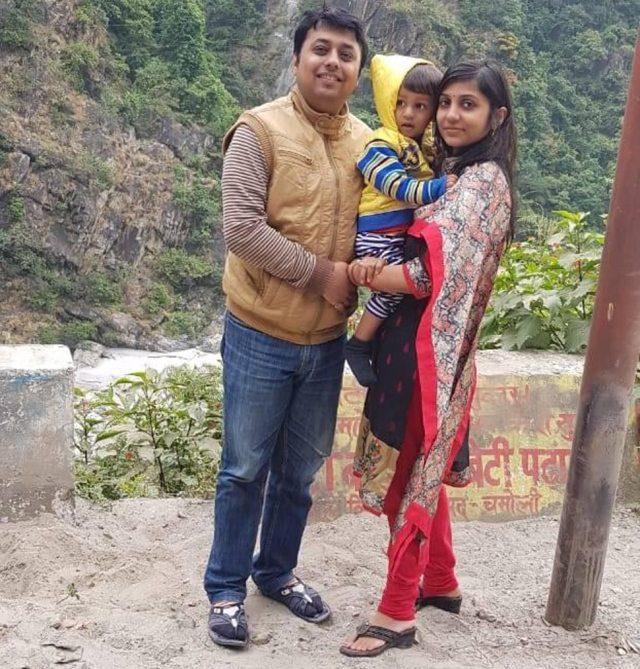
Swati Bhadauria, IAS with her son (file photo)
“I was amazed to see the children interacting and having such a good time,” she later recalled. “To my surprise, within two months of joining, my son began reciting poems and showing curiosity in everything around him. His overall psychological development became so visible.”
She added that she wanted to end the perception that Anganwadis exist merely “to serve cooked food.” For her, it was about dignity — about proving that these early-learning centres could offer warmth, socialisation, and solid foundations if given a fair chance.
She is not alone. IAS couple Varsha and Vikas Meena made headlines last year when they enrolled their 14-month-old son Atharva in an Anganwadi in Maharashtra’s Jalna district. “We often tell people to trust public institutions,” Varsha said. “But we rarely do that ourselves. This mindset needs to change.”
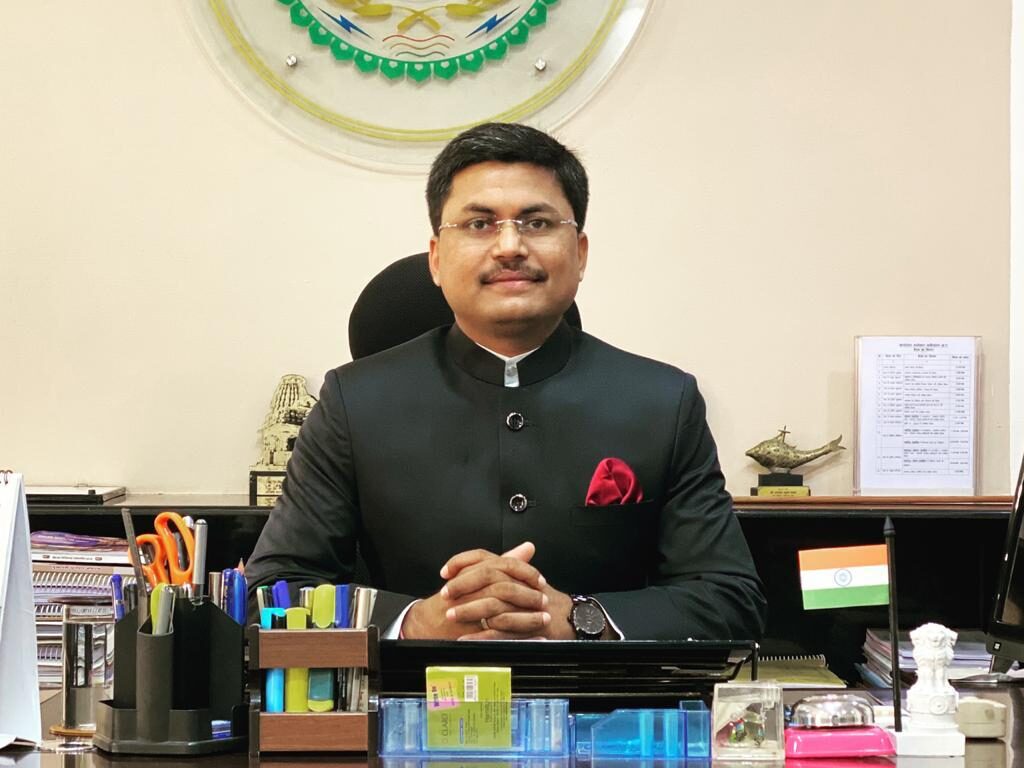
Awanish Sharan, IAS
In Chhattisgarh, IAS Officer Awanish Sharan has been living that change for years — sending his daughter to a government school, eating the same mid-day meals as students, sharing classroom photos that capture an unfiltered India of chalkboards and steel tiffins. “Equality begins in the classroom,” he likes to say.
THE PRESSURE OF PRIVILEGE
In Sikkim, Raj Yadav, another IAS officer, had a similar awakening. “I sent my children to a private school for the first six months,” he said, “but they were under too much mental pressure. I moved them to a government school, and they began to learn naturally — without fear, without constant comparison.”
That remark touches something many parents feel but rarely admit: that “elite” education sometimes confuses stress for success. By contrast, the humble government classroom can be freer, less pretentious, and more human.
“When children of civil servants enter a government school, the whole atmosphere changes,” Yadav said. “It motivates the teachers. It lifts the students. Everyone feels they’re part of something that matters.”
These are not isolated acts of idealism. Together, they form a quiet movement — one that doesn’t need manifestos or hashtags, just faith and follow-through.
BEYOND SYMBOLISM
It would be easy to dismiss these gestures as symbolic — photo-friendly examples of “good governance.” But symbolism, when sustained, becomes substance.
When officers experience what millions of ordinary parents experience — the leaky roofs, the limited resources, the joy of community — their policymaking changes. Problems cease to be abstract. Reforms become personal. Empathy starts guiding administration.
Educationists call this “immersive accountability.” By stepping into the same shoes as the people they serve, bureaucrats blur the line between policy and practice.
RECLAIMING FAITH
The image of an IAS officer’s child sitting cross-legged on the same floor mat, sharing crayons with other kids, is quietly radical. It sends a message no circular or campaign can: public education is worth believing in.
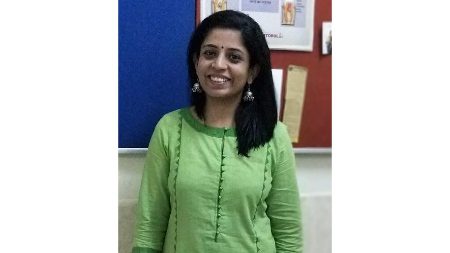
For Mtitali Sethi, that’s what this is all about — not spectacle, not politics, but faith. Faith in the women who cook the mid-day meals. Faith in the young teachers who build early curiosity. Faith in a system that too often gets dismissed.
Her twins, blissfully unaware of the national attention, are busy learning rhymes and stacking blocks. But their admission has become a story of its own — a story about how leadership sometimes looks less like authority and more like example.
And if change in India often begins with one courageous decision, then perhaps this one — taken by a mother in a simple Anganwadi — may yet prove to be a masterclass in trust.