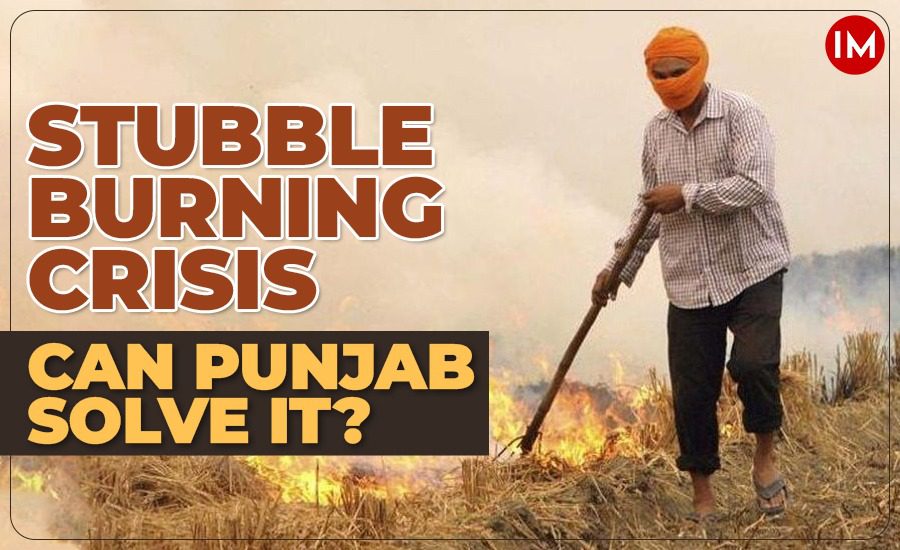
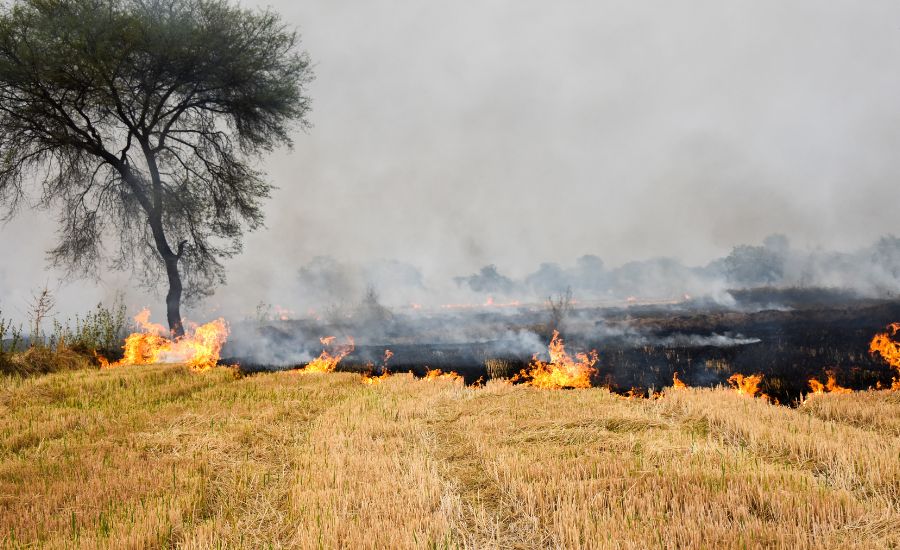
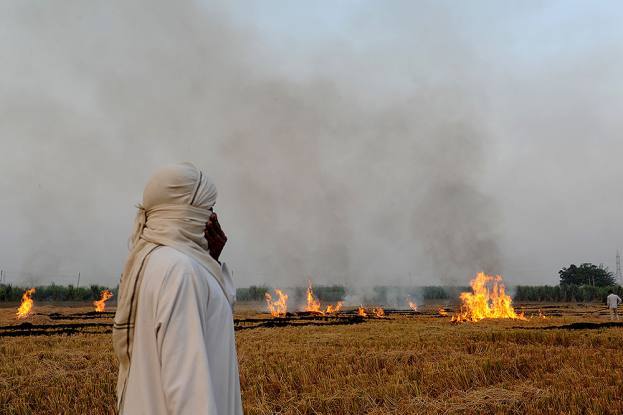
From Delhi NCR to Punjab, the region’s air quality is facing a critical crisis. The primary culprit behind this ongoing struggle is stubble burning, a practice that exacerbates pollution levels during the winter months. However, there’s a silver lining: compared to last year, incidents of stubble burning have decreased by 50 to 70 percent across many districts of Punjab. Despite this improvement, the air quality has not seen the expected improvement. Why? Although the number of cases has reduced, it is still significant enough to push pollution levels above safe limits.
The situation is more complex than it seems. While efforts to tackle the issue have been ramped up—such as providing machinery for better stubble disposal, promoting both in-situ and ex-situ methods, and taking legal action against farmers who violate regulations—there are persistent challenges. Farmers still face technical, financial, and social barriers, including widespread misconceptions and the high costs of adopting cleaner alternatives. So, why, despite numerous interventions, does the problem remain so difficult to solve?
To explore this further, Indian Masterminds spoke with Deputy Commissioners from various districts in Punjab, including Sangrur, Patiala, Barnala, Amritsar, and Ludhiana, to get a deeper understanding of the issue and possible solutions.
Read More: Hope on the Horizon: How Improved Air Quality This Diwali Offers a Glimmer of Optimism
THE MACHINERY
To curb the incidents of stubble burning, the government has turned to Crop Residue Management (CRM) machines. These machines are being provided to farmers to help manage the stubble more efficiently, using both in-situ and ex-situ methods of disposal. Over the past three years, these techniques have significantly reduced the frequency of fires and have contributed to better overall stubble management.
Read More: Turning the Tide: How Amritsar is Tackling Stubble Burning
However, despite these positive strides, the availability of CRM machines still falls short of the actual demand. To put it into perspective, Punjab cultivates paddy across 32 lakh hectares, but since 2018, CRM machines have only been distributed to cover 1.43 lakh acres of farmland. CRM machines have proven effective in helping farmers manage stubble, preventing it from being burned and significantly reducing the environmental impact.
Ms. Preeti Yadav, a 2014 batch IAS officer and the Deputy Commissioner of Patiala, shared, “We’re focused on eliminating the remaining incidents by ensuring CRM machinery is available where needed and monitoring the situation closely. Our goal is a stubble-burning-free Punjab.”
Read More: Haryana Lowers Stubble Burning By 50 Percent
SOME TECHNICAL REASONS
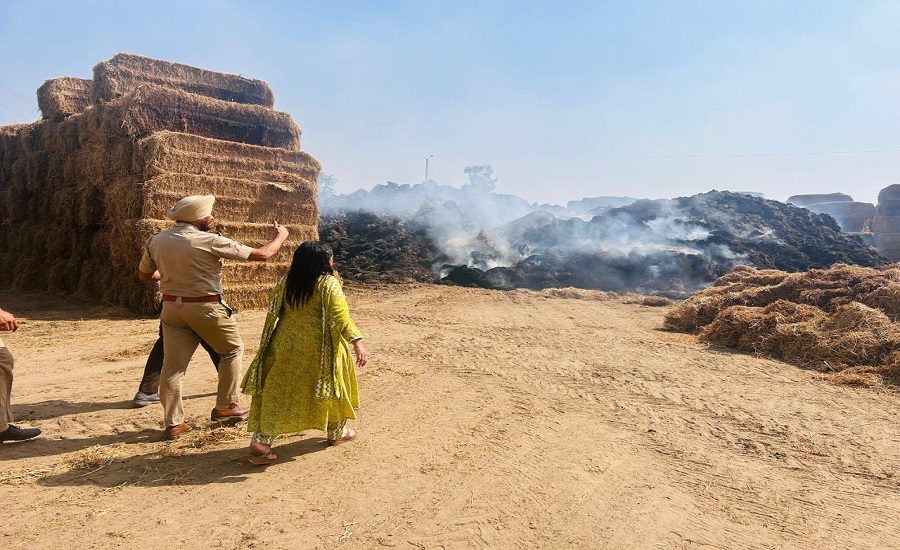
Mr. Sandeep Rishi, a 2015 batch IAS officer and Deputy Commissioner of Sangrur, explained that the tight time frame between harvesting and sowing puts immense pressure on farmers, particularly with late-variety paddy. Many believe that burning the stubble is the fastest way to prepare their fields for the next crop, ensuring timely sowing. Additionally, the high cost of machinery is a significant barrier for many farmers, making it essential to provide accessible equipment.
REDUCED CASES
Stubble burning cases have reduced across nearly all districts of Punjab this year. While previous years saw much higher numbers, the improvement still feels insufficient due to the lingering impact. Mr. Jitendra Jorwal, an IAS officer of 2014 batch and Deputy Commissioner of Ludhiana, noted, “Compared to last year, stubble burning incidents have dropped by 20-25% in our district.” Similarly, Ms. Preeti Yadav reported a 70% reduction in stubble burning across Patiala.
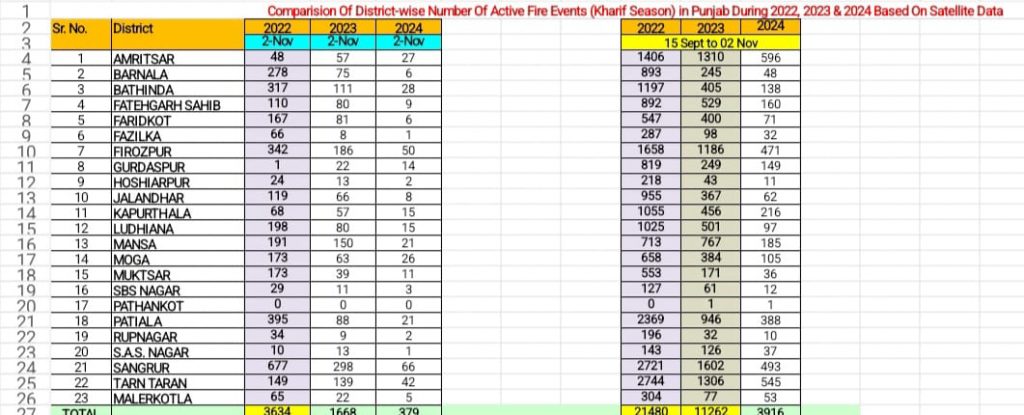
Amritsar recorded just 596 cases this year, down from 1,310 last year and 1,406 in 2022. Other districts, like Barnala and Bathinda, also showed significant improvements—Barnala saw only 48 cases this year, compared to 245 last year, and Bathinda reported 138 cases, a sharp decline from 405 in 2023 and 1,197 in 2022. These reductions are a clear sign that the measures in place are helping reduce stubble burning.
WHAT ARE THE METHODS
Talking about methods for disposing of stubble, Mr Rishi stated that ex-situ stubble management is limited in the Sangrur. There are only two CNG plants that convert stubble into biogas and three industrial units that use it for fuel. These facilities together process around 2.75 lakh tonnes of stubble. However, the remaining 11 lakh tonnes must be managed in-situ. This situation is similar in most districts of the state. While many farmers are motivated to adopt in-situ methods, the cost remains a barrier for some.
In-situ: This method involves breaking down or decomposing paddy straw directly in the field using machines like super-seeders, rotavators, happy seeders, and straw choppers.
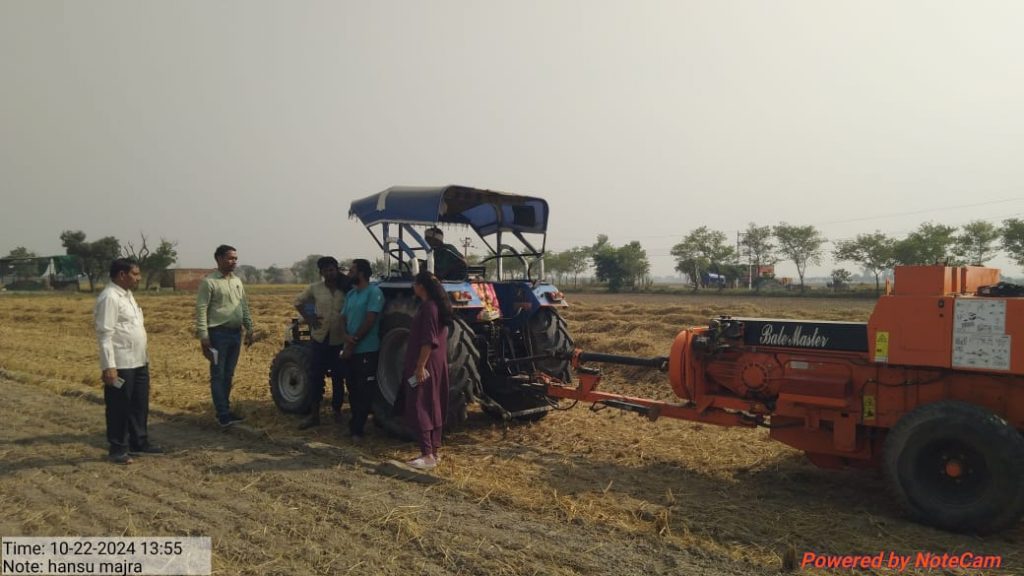
Ex-situ: In this method, the paddy straw is collected, bundled using balers, and transported to industries for use as fuel.
2014-batch IAS officer and Deputy Commissioner of Amritsar, Ms. Sakshi Sawhney, said, “We’re helping farmers with machinery, have contacted over 5,000 farmers, and adopted 100 marginal farmers for free stubble management, all while working to curb farm fires.”
COST & OTHER PROBLEMS
Mr. Rishi highlighted the cost issue surrounding stubble burning, stating, “The cost involved is significant, which is why farmers often demand extra support.” He noted that the government currently provides subsidies for stubble management in the state.
He further explained that the government addresses the challenges of stubble burning by implementing solutions, such as mandatory measures or financial incentives. These policy decisions are made at the government level, and Mr. Rishi is optimistic that stubble burning will continue to decrease. “So far, Sangrur has seen a 70% reduction in stubble burning, with only 25 to 30 percent of cases remaining,” he added.
MYTHS
One of the reasons stubble burning persists is due to enduring myths among farmers. Many believe that burning the stubble helps eliminate pests, such as insects and rats, from their fields, which they see as a quick and effective solution to these problems.
THE LEGAL ACTION
Enforcement efforts are also ongoing, with strict action being taken against farmers who violate stubble burning regulations. Violators have their names entered in the property records, and environmental compensation is being imposed. Initially, some cases were filed, but legal challenges arose, particularly in terms of filing cases against farmers. This matter is currently pending in the Supreme Court.
THE MAIN SOLUTION
The key solution to the stubble burning problem could lie in expanding biogas plants. All district administrations agree that increasing the number of biogas plants would offer a long-term remedy. By converting stubble into biogas, these plants would reduce the need for burning, significantly improving air quality. Expanding biogas facilities not only helps manage crop residue but also provides farmers with a sustainable alternative, benefiting both the environment and the economy. Many believe this approach could be a game-changer in addressing the ongoing pollution crisis. Mr. Rishi said, “Yes, we are actively working on it, and we are hopeful that the situation will improve in the coming time.”
CONCLUSION
Despite significant progress, the problem of stubble burning in Punjab remains a multifaceted challenge. While there has been a marked reduction in incidents, the gap between what has been achieved and the desired outcome is still wide. The government’s efforts—through machinery distribution, legal enforcement, and financial support—are steps in the right direction. However, addressing the myths, cost barriers, and the broader socio-economic factors will be crucial in achieving a stubble-burning-free Punjab and improving air quality across the region.