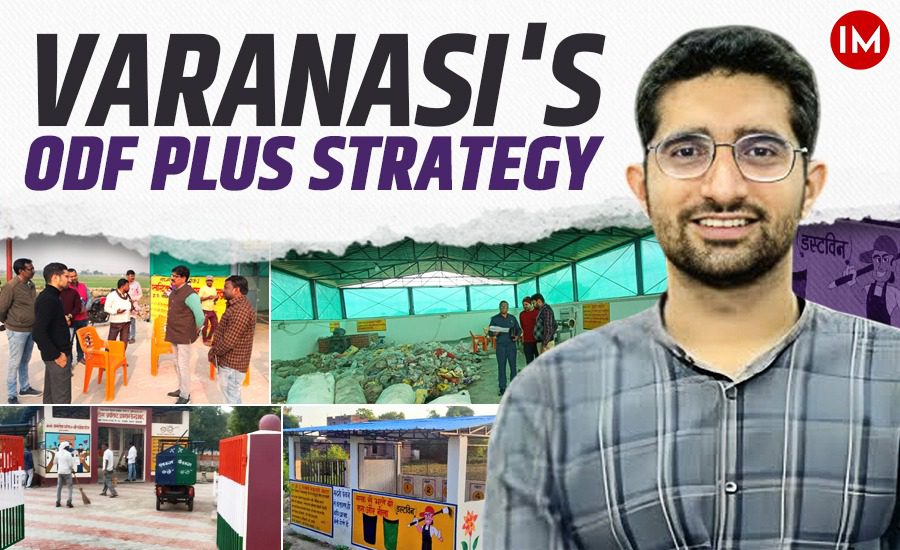
Varanasi is set to achieve a major milestone by becoming the first district in Uttar Pradesh to attain ODF (Open Defecation Free) Plus status. This achievement comes as the result of an extensive waste management initiative that has transformed rural sanitation across the district’s 1,246 villages. Through structured planning, community engagement, and infrastructure development, Varanasi has successfully implemented solid and liquid waste management systems in nearly all of its villages.
THE JOURNEY TOWARDS ODF PLUS
Under the guidelines of the Swachh Bharat Mission (SBM) 2.2, villages are classified into three categories based on their waste management progress: aspiring, rising, and model. A village can only achieve model status if it has proper arrangements for both solid and liquid waste management. Varanasi has made significant strides in this regard, with 1,201 villages already classified as model villages.
Speaking with Indian Masterminds, IAS officer Himanshu Nagpal (2019 batch UP cadre), Chief Development Officer (CDO) of Varanasi, emphasised the importance of this initiative: “Sanitation and waste management are not just about infrastructure but also about behaviour change. Our goal was to ensure that every village had a sustainable system in place to manage its waste efficiently.”
INFRASTRUCTURE DEVELOPMENT AND WASTE MANAGEMENT
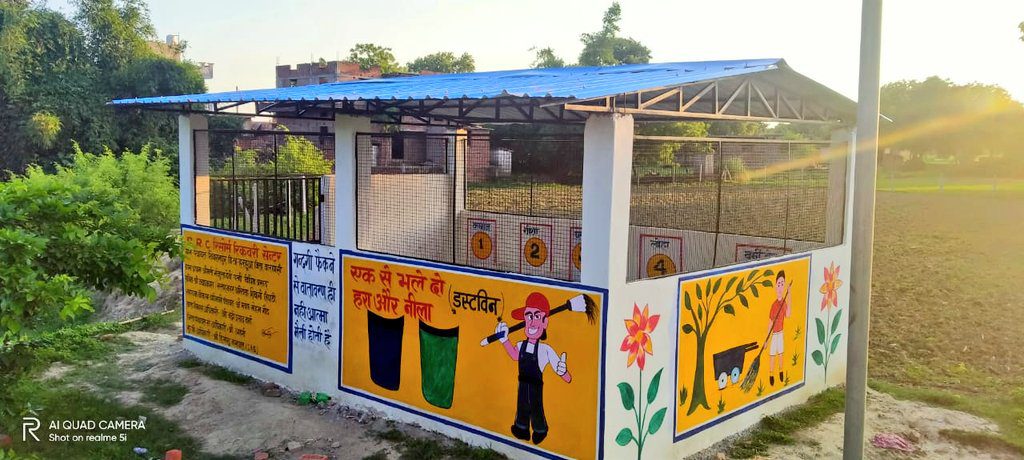
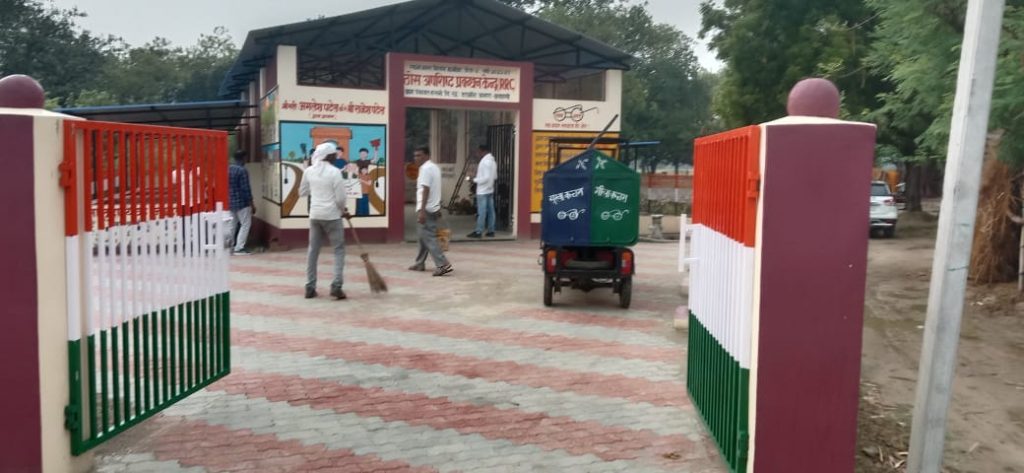
To attain ODF Plus status, the district focused on building a strong foundation for waste collection and processing. This included the establishment of Resource Recovery Centres (RRCs), Soak Pits, Garbage Collection Vehicles, and Vermi Compost Pits. The waste collection system has been streamlined through the use of QR-coded garbage collection vehicles, allowing villagers to track waste collection in real time.
A nominal monthly charge of ₹30 is collected from each household for waste disposal. This system has been remarkably successful, generating over ₹30 lakh in revenue through door-to-door collection. The funds are reinvested in maintaining waste management infrastructure, ensuring that the program remains sustainable in the long run.
Highlighting the impact of this approach, Mr. Nagpal stated, “One of the biggest challenges was making waste management self-sustainable. The monthly contribution by villagers, coupled with innovative recycling initiatives, has ensured that the system runs smoothly without constant external funding.”
EMPLOYMENT GENERATION AND WOMEN’S INVOLVEMENT
A significant aspect of the initiative has been the employment of over 1,000 women in waste collection, segregation, and processing. Women from self-help groups (SHGs) have played a key role in waste management efforts, ensuring the smooth operation of collection centres and recycling units.
Initially, there was some reluctance among women to participate due to the stigma associated with waste collection. However, targeted awareness campaigns and financial incentives encouraged their involvement. “At first, many women were hesitant to take up this work,” Mr. Nagpal noted. “But once they saw the financial benefits and the positive change in their villages, their participation increased significantly.”
PLASTIC WASTE MANAGEMENT AND ROAD CONSTRUCTION
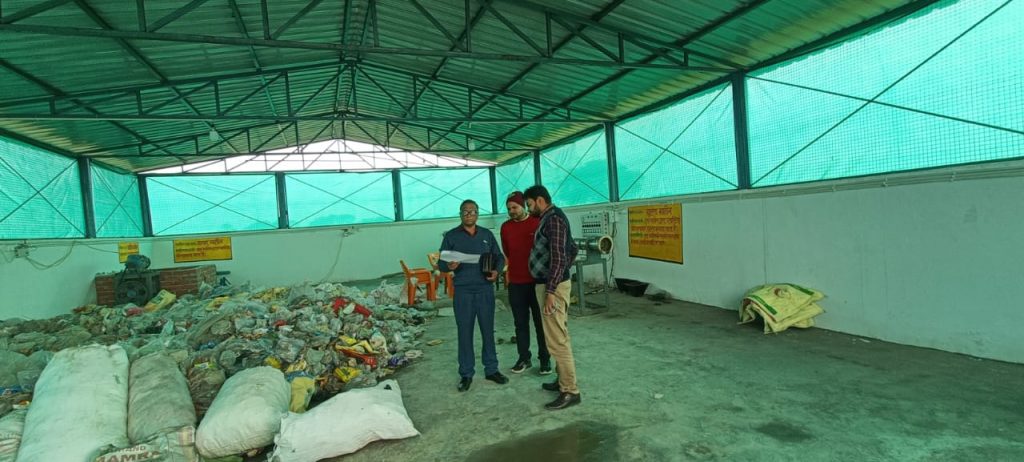
One of the most innovative aspects of Varanasi’s waste management strategy is its Plastic Waste Management Units (PWMUs). These units process plastic waste by shredding it into small particles, which are then utilised in road construction.
- Over 80 tonnes of plastic waste have been processed so far.
- 10 tonnes of shredded plastic have already been used for bituminous road construction in Varanasi.
This initiative not only addresses the issue of plastic pollution but also provides an effective way to repurpose non-biodegradable waste.
LIQUID WASTE MANAGEMENT AND WATER CONSERVATION
Wastewater disposal has been a major concern in rural areas, where drainage often leads to contamination of ponds and water bodies. To address this, the administration has implemented filter chambers, soak pits, and seepage well ponds to ensure proper wastewater treatment before it enters natural water sources.
“Preserving water quality is just as important as managing solid waste,” Mr. Nagpal explained. “By installing soak pits and seepage wells, we are ensuring that wastewater is properly filtered before it reaches the ponds. This has also helped in maintaining aquatic biodiversity.”
CHALLENGES AND SOLUTIONS
While the progress has been remarkable, the initiative faced several challenges:
Resistance to Paying for Waste Collection
- Initially, villagers were reluctant to pay ₹30 per month for garbage collection.
- To build trust, the administration funded salaries for waste collectors for the first three months, after which villagers voluntarily continued payments upon seeing the benefits.
Ensuring Infrastructure Quality
- Since procurements were managed at the village level, there were risks of poor-quality construction.
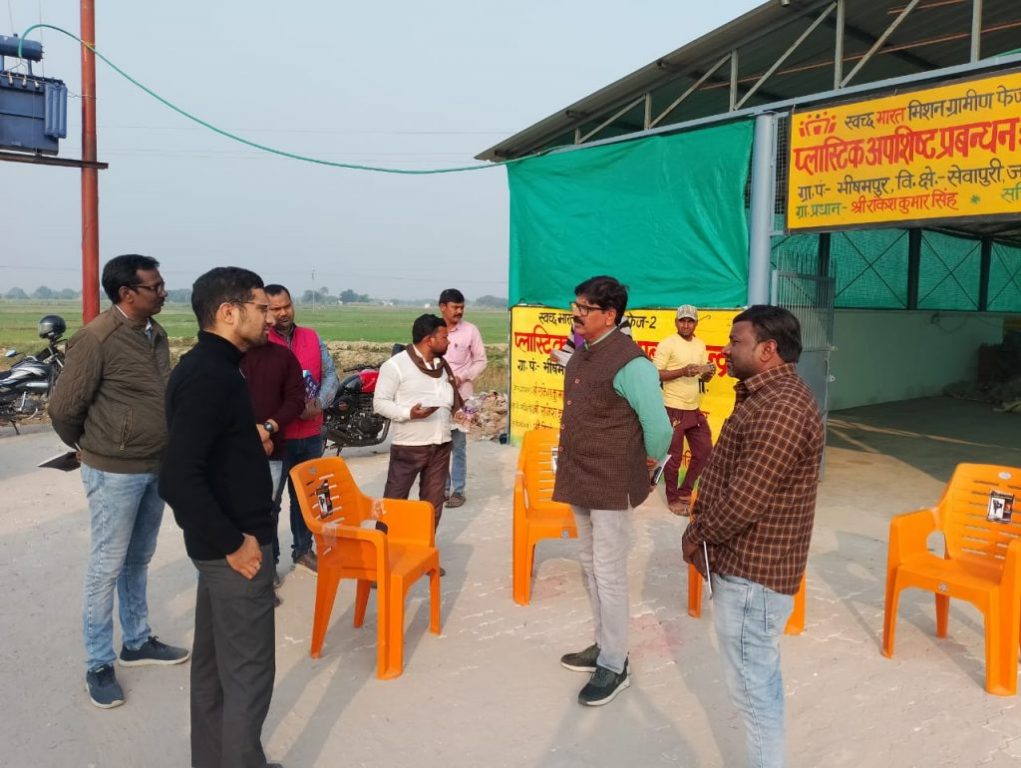
- To address this, Nodal Officers were assigned to clusters of 20 villages to oversee construction and ensure compliance with standardised estimates.
Retaining the Workforce
- Social stigma initially discouraged workers from staying in the job.
- To boost motivation, top-performing waste collectors in each block were honoured with certificates and public recognition.
Managing Plastic Waste Efficiently
Agreements were made with plastic recyclers and road construction agencies to ensure proper utilisation of shredded plastic waste.
SUSTAINABILITY AND FUTURE PLANS
Varanasi’s success in achieving ODF Plus status is not just about reaching a milestone but ensuring long-term sustainability. The administration has taken several measures to maintain the momentum:
- Continuous monitoring through a central control room to track waste collection and processing.
- QR-code-based payment systems to ensure transparency in financial transactions.
- Training programs for SHG women to enhance their skills in waste management and recycling.
“We are not just aiming for certification. Our goal is to make ODF Plus a way of life for the people of Varanasi,” Mr. Nagpal said.
With 1,201 out of 1,246 villages already achieving model status, Varanasi is on track to become Uttar Pradesh’s first ODF Plus district. The district’s structured approach—combining community participation, innovative waste management, and sustainable infrastructure—offers a model that can be replicated across other regions.
As the project continues, Varanasi’s efforts stand as an example of how strategic planning and local engagement can lead to lasting improvements in sanitation and environmental conservation.