Dehradun: A new lake is being developed for tourists at the Asan Wetland in Dehradun, Uttarakhand’s first Ramsar site and the country’s first conservation reserve. The initiative aims to strengthen eco-tourism by providing visitors with nature trails, bird-watching opportunities and a peaceful environment close to nature.
The old lake located within the Forestry Training Centre campus at Rampur Mandi is being developed as a tourist attraction by the Chakrata Forest Division.
New Lake to Boost Tourism at Asan Wetland
The lake, located inside the Rampur Mandi campus, stretches for around one kilometre and is being developed with facilities for tourists and nature enthusiasts.
The proposed attractions include:
- A nature trail around the lake
- Opportunities for bird watching and photography
- Improved visitor facilities
- Information about local and migratory bird species
- A peaceful natural environment for tourists
The plan is to open the developed lake to visitors around World Wetlands Day in February.
Read also: Uttarakhand to Celebrate Hartalika Teej More Grandly at Government Level: CM Dhami
Nature Trail and Bird-Watching Facilities Planned
The Chakrata Forest Division is developing a nature trail around the lake so visitors can walk through the natural surroundings and observe birds.
At present, the forest department has two bird-watching towers in the Asan Wetland area. These facilities are expected to provide bird lovers with better opportunities to observe and photograph migratory birds.
The Forestry Training Centre campus also has displays providing information about different bird species.
The forest department has previously trained girls from the Bhoksa tribal community to work as nature guides. The availability of trained nature guides can help visitors learn more about the migratory birds and the wetland ecosystem.
Asan Wetland Became Ramsar Site in 2020
Asan Wetland is recognised as an important wetland and became Uttarakhand’s first Ramsar site in 2020.
Following its international recognition, efforts have gradually increased to develop tourism and visitor facilities in the area while maintaining its ecological importance.
The region is also expected to receive funding under the Namami Gange programme, which could accelerate the development of facilities and conservation-related activities at the Ramsar site.
Migratory Birds Arrive From October to March
Asan Wetland witnesses a seasonal presence of migratory and local bird species.
Migratory birds from colder regions generally arrive from October and remain until the end of March. From April to September, local bird species dominate the wetland and use the area for breeding, nesting and raising young birds.
Bird counting is conducted at the wetland every year to monitor the bird population and species visiting the site.
The Ruddy Shelduck, locally known as Surkhab, is among the prominent migratory birds that arrive first in the season and can be seen in significant numbers.
A pair of the rare Pallas’s Fish Eagle is also known to visit the wetland every year.
Wide Variety of Migratory and Resident Birds
Asan Wetland attracts a diverse range of bird species during the migratory season.
Some of the species recorded in the wetland include:
- Ruddy Shelduck (Surkhab)
- Northern Shoveler
- Gadwall
- Eurasian Wigeon
- Indian Spot-billed Duck
- Red-crested Pochard
- Tufted Duck
- Little Grebe
- Great Crested Grebe
- Bar-headed Goose
- Mallard
- Northern Pintail
- Green-winged Teal
- Common Pochard
- Ferruginous Duck
- Eurasian Moorhen
- Eurasian Coot
- Grey-headed Swamphen
- White-breasted Waterhen
- Common Sandpiper
- Common Greenshank
- Pallas’s Fish Eagle
- Asian Woolly-necked Stork
- Grey Heron
- Purple Heron
- Great Egret
- White-capped Wagtail
- White-browed Wagtail
- White Wagtail
- Paddyfield Pipit
The variety of species makes Asan Wetland an important destination for bird watchers, wildlife enthusiasts and nature photographers.
Boating Offers Another Way to Observe Birds
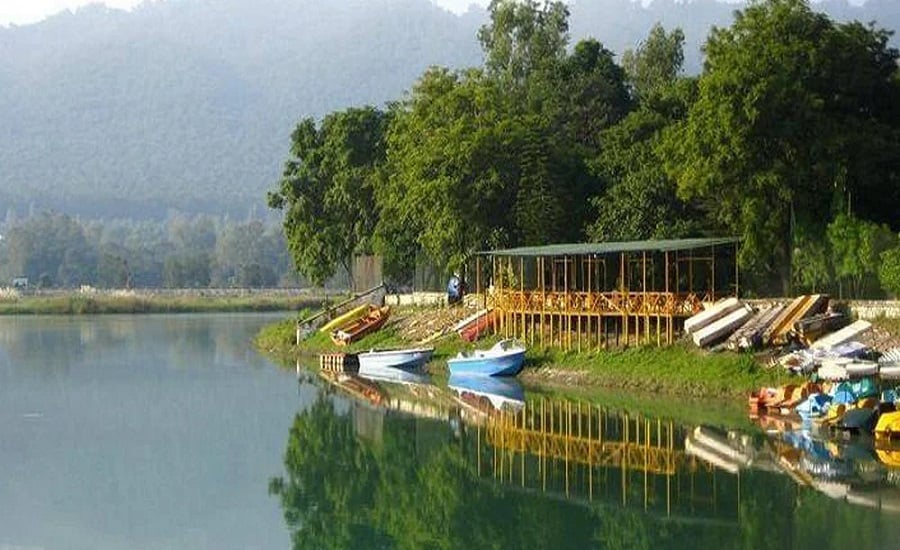
For visitors looking to observe migratory birds from the water, GMVN’s Asan Resort offers boating facilities.
The boat rides provide tourists and bird enthusiasts an opportunity to get closer to the wetland environment and observe birds.
The forest department is also preparing to develop a mud island at the Ramsar site, with work expected to begin shortly ahead of the arrival of migratory birds in October.
More Visitor Facilities Still Needed
While new facilities are being developed, visitor amenities along the Asan Wetland remain limited in some areas, particularly seating arrangements along the lake.
The new lake, nature trail and additional visitor facilities at Rampur Mandi are expected to expand the tourism experience while supporting the broader objective of promoting eco-tourism and wetland conservation.
With migratory birds expected to begin arriving from October, the upcoming tourism facilities could provide visitors with more opportunities to experience Asan Wetland and its rich bird diversity.