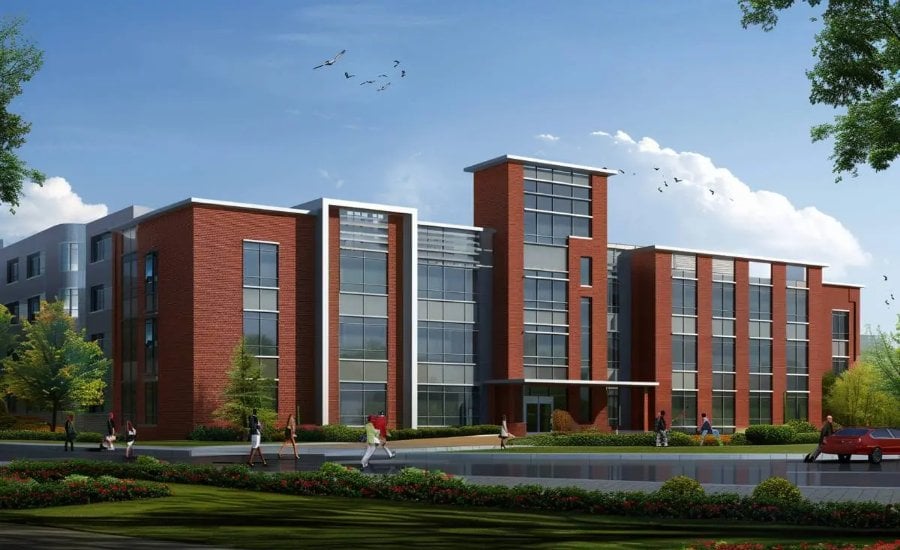
Patna: Bihar’s expansion of higher education is gaining momentum with 21,312 students enrolling in 211 newly established degree colleges across the state. The colleges have been opened under 10 traditional universities, bringing undergraduate education closer to students in rural and remote areas.
The new colleges have started teaching in six subjects — Hindi, English, Economics, Sociology, Political Science and History. The expansion is aimed at making graduation-level education more accessible to students who earlier had to travel outside their blocks or districts for higher studies.
211 Colleges Expand Higher Education Access
The new degree colleges have been established across 211 blocks of Bihar, creating additional opportunities for students to pursue undergraduate courses closer to home.
The initiative is particularly significant for students from rural and relatively remote areas. With colleges available locally, students may have easier access to higher education while potentially reducing the cost and time associated with daily travel or staying away from home.
The latest enrolment figure of 21,312 indicates that students are already opting for the newly created institutions as the academic activities take shape.
Read Also: Bihar: What Police Found at a Darbhanga Medical Store Triggers Drug Department Probe
Purnia University Records Highest Enrolment
The available university-wise figures show varying levels of enrolment across the new colleges.
Purnia University has recorded the highest number of admissions so far, with 3,338 students enrolled across 21 newly established degree colleges.
The figures reported from other universities include:
- Jai Prakash University: 28 colleges, 2,966 students
- Magadh University: 17 colleges, 2,720 students
- Lalit Narayan Mithila University: 30 colleges, 2,586 students
- BR Ambedkar Bihar University: 38 colleges, 2,507 students
- BN Mandal University: 16 colleges, 1,828 students
- Munger University: 20 colleges, 1,754 students
- Veer Kunwar Singh University: 15 colleges, 1,119 students
- Tilka Manjhi Bhagalpur University: 10 colleges, 769 students
Together, these figures account for the reported 21,312 admissions in the new degree colleges.
The available details, however, include college and admission figures for nine universities, while the corresponding data for the tenth university has not been provided. The overall admission figure remains 21,312 based on the information available.
Six Subjects Introduced in New Colleges
The newly established degree colleges have initially started undergraduate education in six subjects.
These are Hindi, English, Economics, Sociology, Political Science and History.
The choice provides students with access to several major humanities and social science disciplines at the undergraduate level. Universities are also working to organise academic activities and strengthen the functioning of the newly established institutions.
As the colleges develop, further academic facilities and subjects may be considered based on student requirements and available resources.
What the Expansion Means for Rural Students
The creation of colleges at the block level could reduce one of the practical barriers faced by students seeking higher education — distance from institutions.
Earlier, students in several areas had to travel to another block, town or district for undergraduate education. For students from families with limited financial resources, travel, accommodation and other associated expenses could make higher education more difficult.
With degree colleges now being established closer to local communities, students can potentially continue their studies without moving far from home.
The expansion is also expected to increase the availability of undergraduate education in areas where access to higher educational institutions has traditionally been more limited.
Focus Now Shifts to Quality Infrastructure
While enrolment marks an important first step, the long-term effectiveness of the new degree colleges will depend on how well their academic infrastructure develops.
Regular classes, adequate teaching staff, libraries, laboratories and other essential facilities will be important to ensure that students enrolled in these institutions receive quality higher education.
Universities are currently taking steps to organise academic activities in the newly established colleges. The next phase will involve strengthening the institutional infrastructure and ensuring that the colleges can provide a stable academic environment.
The expansion of 211 degree colleges therefore represents more than an increase in the number of institutions. It creates a wider local network for undergraduate education and could help more students from Bihar’s rural areas access graduation-level studies.
With 21,312 students already enrolled, the initial response provides an indication of demand for higher education closer to home. The focus will now be on translating this expanded access into sustained, quality learning opportunities for students across the state.
Read Also: Bihar Saras Mela 2026: 15 States Join Patna Event Showcasing Rural Women Entrepreneurs