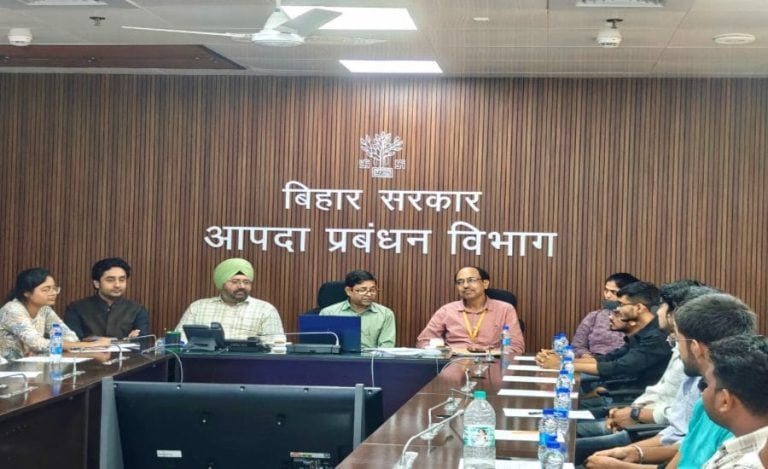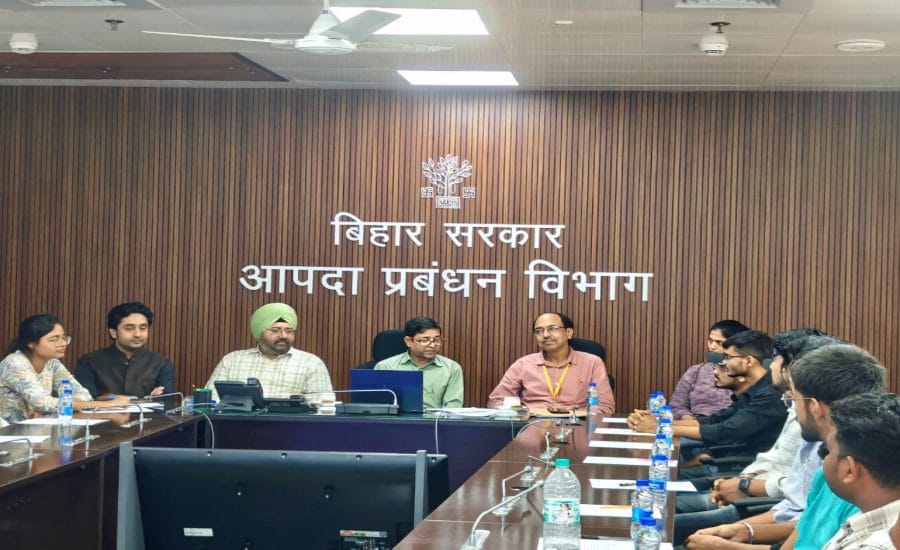
Patna: Twenty BA Geography students from AN College, Patna, have begun the second session of a 10-day internship at Bihar’s Disaster Management Department. The programme aims to familiarise students with disaster preparedness, risk reduction, emergency response, relief operations and rehabilitation.
The department is organising the internship under the directions of Principal Secretary Santosh Kumar Mall. Through the programme, students will learn about the department’s responsibilities and the systems Bihar uses to manage different types of disasters.
Bihar Disaster Management Internship Focuses on Practical Learning
The Bihar Disaster Management Department’s internship introduces students to the concepts and working methods involved in disaster management. The second session brings together 20 students pursuing a BA in Geography at AN College, Patna.
Geography students study natural processes, landscapes, population patterns and the relationship between people and their environment. Understanding disaster management can help them connect these subjects with practical challenges such as floods, other natural hazards, emergency planning and community safety.
The 10-day programme provides an opportunity to learn how government departments organise disaster-related activities. It also introduces students to the coordination and administrative processes required before, during and after an emergency.
Read also: Small Businesses, Big Impact: Bihar Records 54 Lakh MSMEs and 2 Crore Jobs
Students to Learn About Disaster Preparedness and Risk Reduction
The internship covers several key areas of disaster management. Departmental officials will explain the principles of disaster management, disaster risk reduction and preparedness before a disaster occurs.
Students will also learn about rapid response, relief and rescue operations, rehabilitation and the department’s internal functioning. These areas form different stages of disaster management, from reducing risks in advance to supporting affected communities during recovery.
Disaster preparedness includes planning for emergencies, identifying potential risks and developing systems to respond quickly. Risk reduction focuses on limiting the damage that hazards can cause to people, property and essential services.
The programme will also introduce students to the arrangements used to manage different kinds of disasters. This exposure can help them understand how planning, coordination and timely action contribute to effective disaster response.
Department Officials Interact with Students
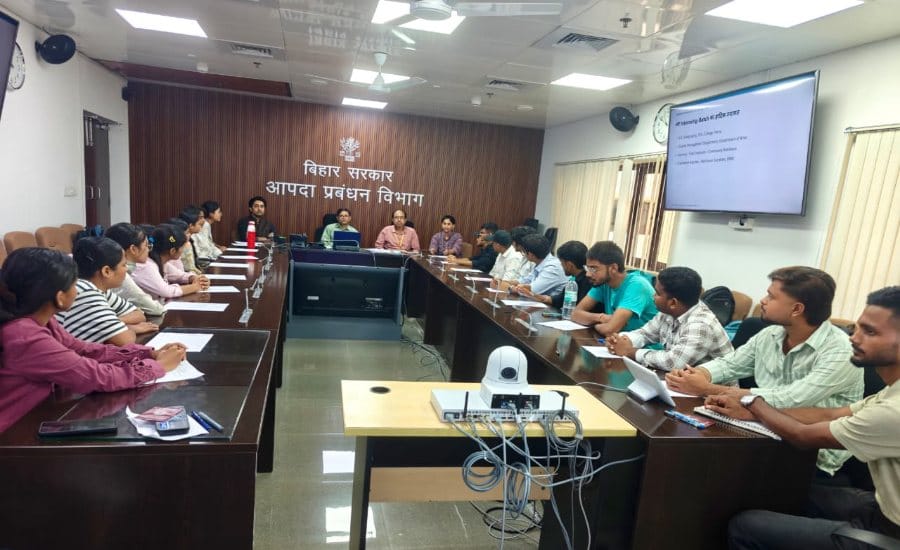
At the inauguration of the second session, senior officials and a disaster management expert interacted with the participating students.
Those present included Additional Secretary Md. Nadeemul Ghaffar Siddiqui, Deputy Secretary Aman Preet Singh, Deputy Secretary Pankaj Kumar Kamal and Disaster Management Expert Komal Priya Singh.
During the interaction, the officials discussed various aspects of disaster management and explained the department’s working procedures. Their engagement gave students an opportunity to learn directly from professionals involved in disaster-related administration and planning.
The participation of officials from different roles also exposed students to the administrative and technical dimensions of the field. Effective disaster management often requires coordination among departments, specialists and response teams, alongside clear communication and timely decisions.
Why Disaster Management Training Matters for Students
Disaster management requires more than action during an emergency. It also involves advance planning, risk assessment, public awareness, relief coordination and long-term rehabilitation.
For students of geography, exposure to these processes can help bridge the gap between classroom learning and practical administration. It can also build awareness of the challenges that governments face when preparing for and responding to disasters.
A structured internship can introduce students to potential career and research areas linked to disaster management, environmental planning, public administration and emergency response. However, the department’s announcement does not specify whether the programme includes field visits, assessments, certificates or further placement opportunities.
Building Awareness of Disaster Preparedness in Bihar
The second session of the 10-day internship reflects an effort to familiarise young learners with the government’s disaster management systems. By explaining preparedness, risk reduction, rescue, relief and rehabilitation, the department aims to give participating students a broader understanding of how disaster management works.
Such exposure can help students appreciate the importance of preparedness and coordinated public action. It may also encourage them to apply their academic knowledge to real-world challenges involving communities and disaster risks.
Read also: Bihar Bridges Education and Ecology as Patna Women’s College Signs Biodiversity MoU