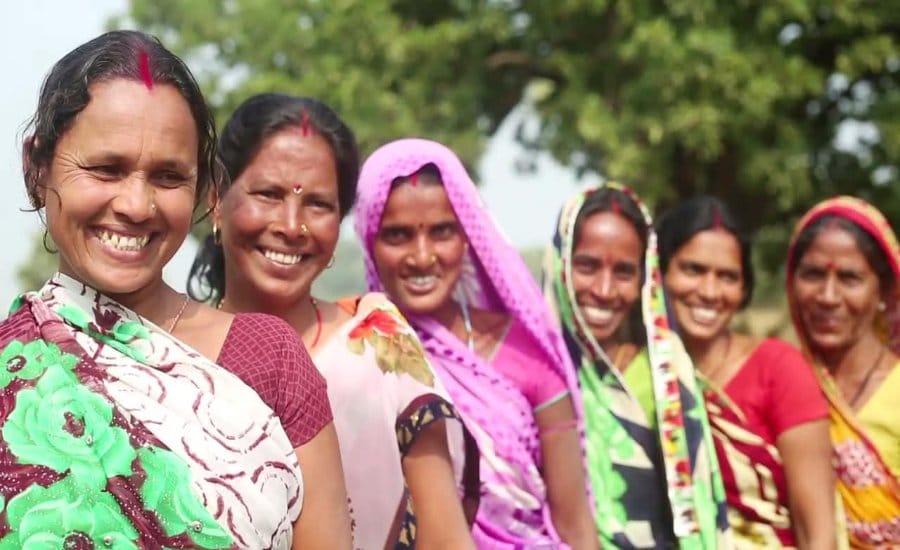
Patna: Bihar is preparing a major expansion of its women-led economic development programme, with the Rural Development Department targeting 1 crore JEEViKA women as Lakhpati Didis over the next five years.
The proposed ‘Samriddh Mahila-Samriddh Bihar’ (Prosperous Women, Prosperous Bihar) campaign builds on the state’s existing JEEViKA network. Nearly 50 lakh women have already achieved Lakhpati Didi status, according to the department, making Bihar the first state to reach this milestone.
The new plan aims to take this effort further by supporting women entrepreneurs, livestock-based enterprises, manufacturing, services and skill-based livelihoods.
Bihar Targets 1 Crore Lakhpati Didis
The central objective of the proposed campaign is to help 1 crore women associated with JEEViKA become Lakhpati Didis.
The initiative is designed around the idea that increasing women’s income can strengthen household financial security while also contributing to rural economic growth.
The department plans to combine financial assistance, entrepreneurship development, market access and skills to help women move beyond traditional livelihood activities and establish sustainable sources of income.
Read Also: Bihar’s Big Investment Push: Gadkari Says State Can Become Major Economic Hub
₹5 Lakh Financial Support for Women Entrepreneurs
One of the major components of the plan is support for women entrepreneurs through banks and financial institutions.
Under the proposed framework, 10 lakh women entrepreneurs will be facilitated with financial assistance of up to ₹5 lakh.
The support is intended to help women establish or expand micro and small enterprises and create more sustainable income opportunities.
The department also plans to build entrepreneurship infrastructure from the gram panchayat level to the state level, allowing women to access the support systems needed to develop businesses closer to their communities.
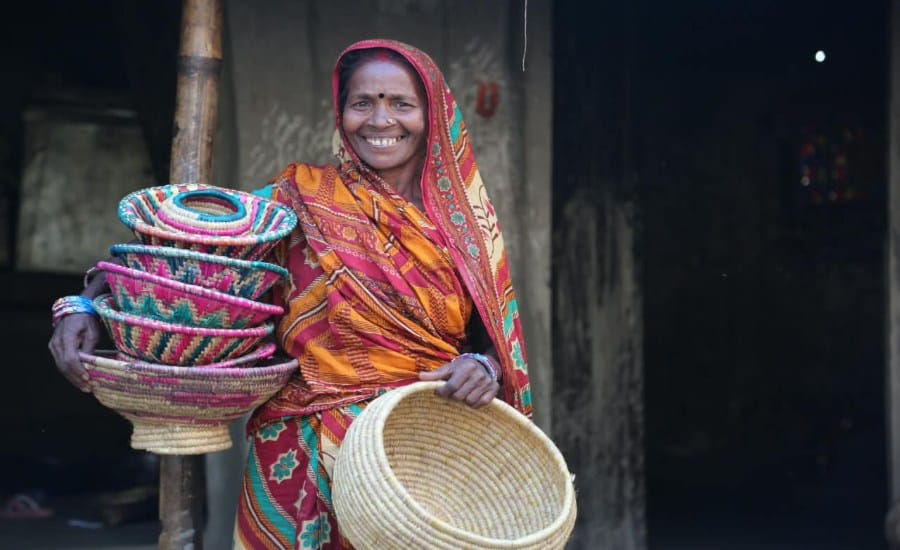
60 Lakh Women to Get Support for Livestock Enterprises
Livestock and allied activities will form another major part of the proposed campaign.
Around 60 lakh women will be encouraged and supported to establish micro-enterprises in animal husbandry and related sectors.
For rural households, activities linked to livestock can provide an additional income source and help women participate directly in the local economy.
The initiative seeks to connect these individual livelihood activities with a wider enterprise ecosystem rather than treating them as isolated income-generating activities.
25 Lakh Women-Centred Enterprises Proposed
The Bihar government also plans to increase women’s participation in manufacturing and other productive sectors.
The proposed roadmap includes the establishment of 25 lakh women-focused manufacturing and micro enterprises.
To create a larger market for products manufactured through these enterprises, the Rural Development Department plans to establish direct linkages with buyers and importers.
This could help women-led enterprises move beyond local markets and create stronger opportunities for product sales and business expansion.
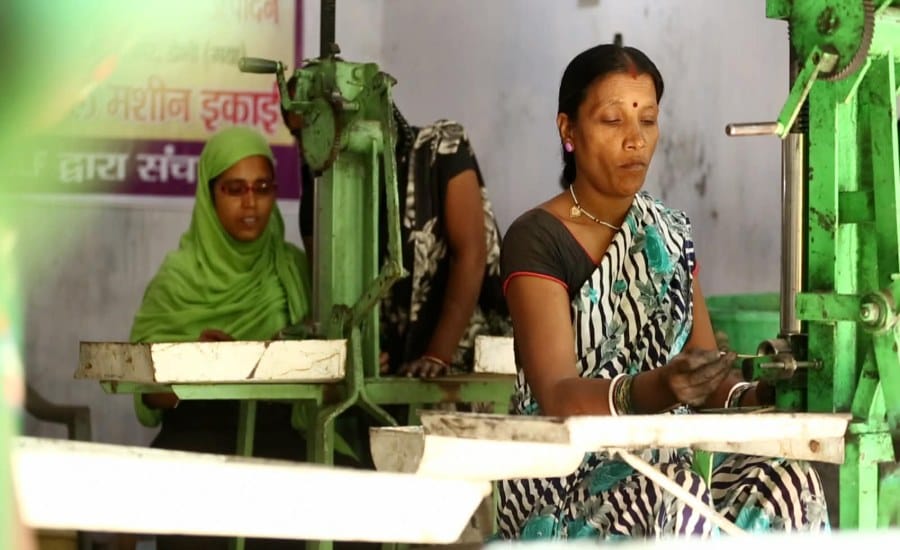
15 Lakh New Jobs and Self-Employment Opportunities
The campaign also places emphasis on services and skill-based activities.
The department has proposed creating 15 lakh new employment and self-employment opportunities in service and skill-based sectors.
This component is expected to broaden the range of livelihood opportunities available to women while also creating avenues for young people to participate in the emerging rural economy.
The proposed model will also include youth and persons with disabilities, making the initiative broader than a women-only economic programme.
Building a Strong Rural Value Chain
A key feature of the plan is the creation of an integrated value chain covering different stages of enterprise development.
The proposed system will connect production, processing, branding, marketing and export, helping women-led businesses develop from production units into market-oriented enterprises.
Such linkages can be particularly important for rural entrepreneurs, who often face challenges in reaching larger markets even after developing a marketable product.
The government plans to develop the necessary infrastructure and support systems from local government institutions to the state level.
JEEViKA Network Has Expanded Across Bihar
The proposed campaign builds on nearly two decades of the JEEViKA movement.
Self-help groups under the programme were initially started in six blocks in 2006. Since then, the network has expanded substantially across the state.
According to the department, the programme has so far connected 1.81 crore families with its groups.
Bihar currently has:
- 73,517 village organisations
- 1,686 cluster-level federations
- 11.10 lakh self-help group savings bank accounts
- Around ₹75,000 crore provided to groups as loans
- 6,749 Bank Sakhis supporting customer service centres
This network provides the institutional foundation for scaling up women-led livelihood and enterprise activities.
From Self-Help Groups to Rural Enterprises
The department’s approach reflects a shift from simply promoting savings and credit among self-help groups towards building larger livelihood and enterprise opportunities.
Over the years, JEEViKA women have undertaken various activities to increase household savings and income. The government now wants to build on these gains by connecting women with finance, skills, production systems and markets.
Rural Development Minister Shravan Kumar described JEEViKA women as a symbol of women’s empowerment and said the programme has completed 20 years.
He said the new campaign would seek to take the existing success to a larger scale by creating a value chain that connects women, youth and persons with disabilities with an inclusive and green economic model.
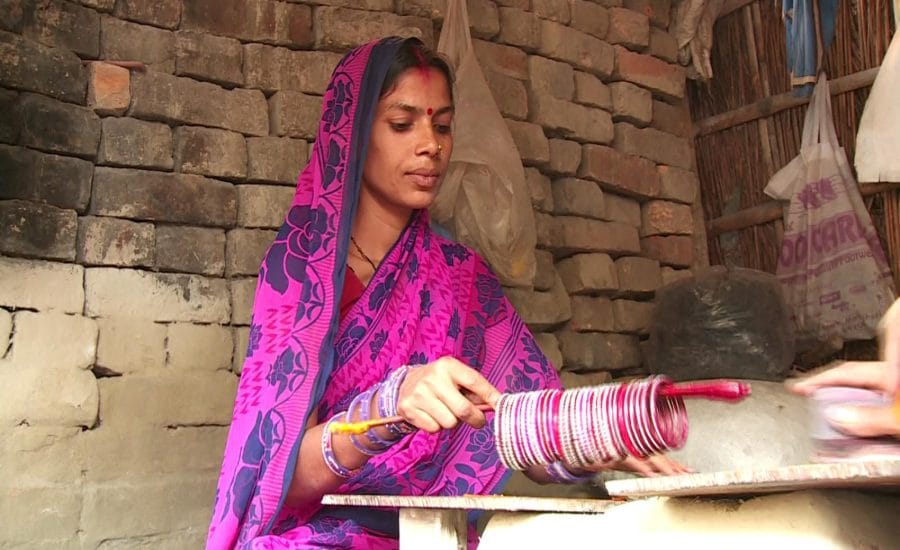
What the Plan Could Mean for Bihar’s Rural Economy
The proposed Bihar Lakhpati Didi expansion is significant because it links women’s income growth with broader rural economic development.
If implemented as planned, greater access to finance, enterprise support, livestock activities, manufacturing and service-sector opportunities could diversify household incomes and strengthen women’s participation in local economies.
The emphasis on branding, marketing and exports also indicates an attempt to connect rural producers with larger markets.
With nearly 50 lakh women already identified as Lakhpati Didis and a target of 1 crore over the next five years, the proposed ‘Samriddh Mahila-Samriddh Bihar’ campaign represents a major expansion of Bihar’s women-centred livelihood strategy.
Its wider impact will depend on how effectively finance, skills, infrastructure and market linkages reach women at the grassroots level. If these elements work together, the initiative could make women-led enterprises an increasingly important part of Bihar’s rural growth story.
Read Also: Bihar Tightens Anti-Corruption Net: 6 Officials Face DA Probes Across 5 Cases