Patna: Bihar is set to strengthen its fight against wildlife trafficking through a multi-agency surveillance strategy covering railways, roads and air routes. Sensitive trafficking routes and locations will undergo GIS-based mapping, while agencies will also examine the wider trafficking network and related financial transactions.
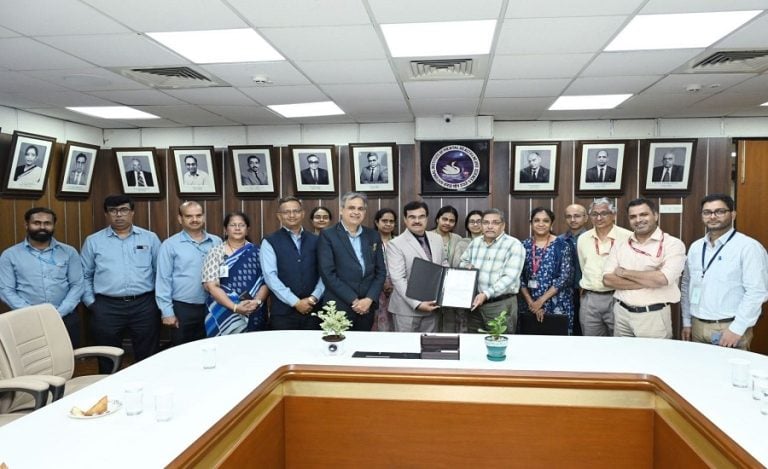
The strategy emerged from an inter-agency coordination meeting on strengthening wildlife law enforcement held at Aranya Bhawan in Patna on Thursday. Officials from the Environment, Forest and Climate Change Department, police, enforcement, transport, border, forensic and other concerned agencies participated in the meeting.
The proposed measures seek to move enforcement beyond the recovery of trafficked wildlife or animal remains and focus on identifying the networks, routes, digital activities and financial links supporting such crimes.
Sensitive Wildlife Trafficking Routes to Be Mapped
Under the proposed strategy, Bihar will identify and map locations and routes considered vulnerable to wildlife trafficking.
The mapping will use Geographic Information System (GIS) technology, allowing agencies to build a clearer picture of sensitive routes and locations.
Officials also discussed strengthening surveillance at major transit points, considering Bihar’s strategic geographical position.
The use of GIS mapping is expected to help enforcement agencies identify changing trafficking patterns and focus resources on areas that require greater monitoring.
Read Also: Bihar Showcases Semiconductor and Electronics Manufacturing Opportunities at Semicon India 2026
Rail, Road and Air Routes Under Greater Watch
The enforcement strategy will cover multiple modes of transportation used for movement across the state.
Surveillance will be strengthened across:
- Railway routes and transit points
- Roads and major transportation corridors
- Airports and aviation-related areas
Officials also discussed the possibility of using CCTV footage from toll plazas to monitor vehicles and sensitive routes.
The approach is intended to improve coordination between agencies that may encounter suspicious movement at different stages of transportation.
Investigation to Follow the Entire Trafficking Chain
A key change in the proposed approach is that investigations will not remain limited to the seizure of wildlife or its remains.
Authorities will examine the entire trafficking chain, including the financial transactions associated with wildlife crime.
This could help enforcement agencies identify people operating behind individual trafficking incidents and understand how illegal wildlife trade networks function.
The meeting also emphasised timely and secure sharing of seizure-related information between agencies to facilitate quicker action.
Digital Platforms and Social Media Under Focus
Wildlife crime is also increasingly linked to online and digital platforms, and officials discussed strengthening lawful monitoring of such activities.
Ruchika Rishi, Inspector General of Police-cum-Additional Director at the Wildlife Crime Control Bureau (WCCB) headquarters, highlighted the need to address wildlife crimes conducted through social media and other digital platforms.
The meeting also stressed the importance of preserving digital evidence properly and ensuring that enforcement action follows applicable legal procedures.
This focus is intended to help agencies respond to changing methods of wildlife trafficking, including activities that may originate or operate through online channels.
Trends From 2021 to August 2026 Reviewed
Officials reviewed wildlife crime trends in Bihar covering the period from 2021 to August 2026.
WCCB Eastern Region Regional Deputy Director Suyog Subhashrao Patil presented information on wildlife crime patterns, sensitive locations and trafficking routes identified during the period.
Gaurav Ojha, Field Director of Valmiki Tiger Reserve, briefed officials about sensitive routes and enforcement challenges related to wildlife crime in the state.
The review of past trends is expected to help agencies identify emerging routes and trafficking methods and update enforcement strategies accordingly.
Agencies to Appoint Nodal Officers
The meeting also focused on creating a more structured coordination mechanism among the agencies involved in wildlife law enforcement.
Each concerned agency will nominate nodal officers for regular coordination. Officials also discussed regular inter-agency meetings and secure, time-bound exchange of information related to seizures.
Joint and rapid action on sensitive routes was another key area discussed during the meeting.
The strategy is aimed at ensuring that information reaching one agency can quickly reach other departments that may be required to act.
Airport SOPs and Staff Training
Officials also discussed updating the Standard Operating Procedure (SOP) for airports and the aviation sector.
Training for personnel involved in airport-related enforcement will form part of the proposed strengthening of the system.
This is significant because wildlife trafficking can involve movement across different transportation networks, requiring frontline personnel to recognise suspicious activities and coordinate with specialised agencies.
Enforcement Strategy to Keep Evolving
The meeting also called for regular reviews of emerging trafficking methods and newly identified routes.
Officials stressed the need to keep enforcement mechanisms updated as trafficking networks change their methods and routes.
Alongside enforcement, the meeting discussed increasing public awareness about wildlife conservation and standardising reports related to wildlife crimes.
The proposed approach brings together route mapping, transport surveillance, financial investigation, digital evidence preservation and inter-agency coordination.
For Bihar, strengthening these mechanisms could help enforcement agencies move towards a more coordinated system for detecting wildlife crimes and disrupting trafficking networks rather than responding only after a seizure takes place.
Read Also: Bihta Airport Flight Operations: Bihar Orders Swift Action to Clear Key Hurdles