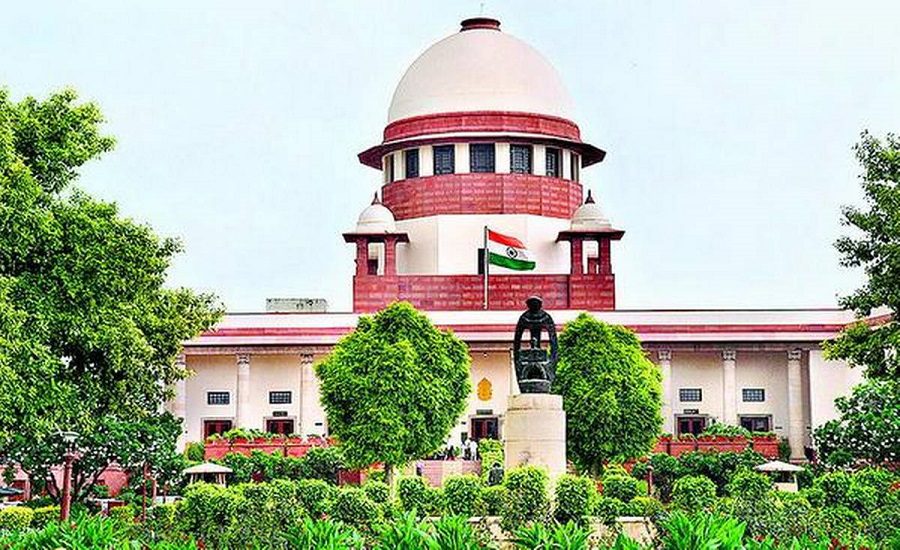
New Delhi: CJI Suryakant warns Centre has become a major legal headline after the Supreme Court strongly cautioned the Union government over non-compliance with its orders in a sensitive deportation case.
The matter involves a pregnant woman and her child who were earlier sent to Bangladesh. The court’s sharp remarks highlight concerns over human rights, due process, and accountability. The case also raises serious questions about citizenship verification and administrative actions taken by authorities.
Supreme Court Directives to Center on Pregnant Woman Deportation Case
The Supreme Court, led by Chief Justice Surya Kant, expressed dissatisfaction with the Centre’s delay in following its directions.
The bench reportedly told the government that it was giving a “last opportunity” to comply with its orders. If not followed, stricter action could be taken.
This warning came during the hearing of a case where individuals were allegedly deported to Bangladesh without proper verification.
Background of the Pregnant Woman Deportation Case
The case revolves around a pregnant woman and her 8-year-old child who were deported earlier on suspicion of being Bangladeshi nationals.
Later, the Supreme Court intervened and directed the Centre to bring them back on humanitarian grounds.
- The woman claimed Indian citizenship.
- The deportation was challenged as illegal.
- The court stressed compassion over technicalities.
Eventually, the Centre agreed to bring them back while keeping the citizenship issue open.
Supreme Court’s Key Observations
The bench made several important remarks during the hearing:
- The State must act with humanity in sensitive cases.
- Deportation without due process raises constitutional concerns.
- Court orders must be followed strictly by the executive.
The court earlier noted that authorities should provide medical care and protection to the pregnant woman.
Pregnant Woman Deportation Case: High Court Order and Legal Dispute
The case also involves a prior order by the Calcutta High Court, which had termed the deportation illegal and asked for repatriation.
However:
- The Centre challenged this order in the Supreme Court.
- The issue of citizenship remains unresolved.
This has turned the case into a major legal and constitutional battle.
What is the Importance of Pregnant Woman Deportation Case
This case is significant for several reasons:
1. Human Rights Concerns
The deportation of a pregnant woman raised serious humanitarian issues.
2. Citizenship Verification
It highlights flaws in identifying citizens vs illegal immigrants.
3. Judicial Authority
The Supreme Court’s warning reinforces that government agencies must obey court orders.
What Happens Next?
The Supreme Court is expected to:
- Monitor compliance by the Centre
- Continue hearing on citizenship claims
- Decide on further legal action if orders are ignored
The final outcome may set an important precedent for future deportation and citizenship cases in India.
Read also: Explained: Why Supreme Court Says Civil Courts Cannot Decide Municipal Boundaries in India