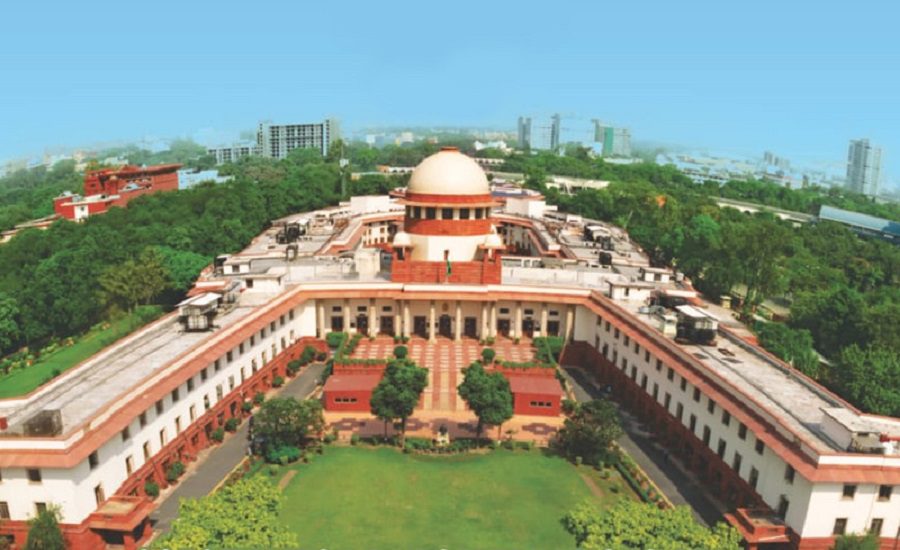
New Delhi: The Supreme Court municipal limits ruling has clarified a key legal issue in India. The court has said that civil courts do not have the power to decide disputes related to municipal boundaries.
In a recent judgment, the Supreme Court explained that such matters are governed by specific laws and must be handled under statutory processes, not through civil suits. This ruling is important for local governance, especially in disputes between municipal corporations and village panchayats.
Details of Supreme Court Municipal Limits Ruling
The Supreme Court clearly stated that disputes about municipal limits cannot be decided by civil courts.
The bench said that if a case requires checking the validity of decisions taken under special laws related to municipal boundaries, then civil courts do not have jurisdiction.
The court emphasized that determining municipal limits is a legal and administrative function defined under specific statutes.
Background of the Supreme Court Municipal Limits Ruling
The case began in 2013 when the Kolhapur Municipal Corporation issued a public notice.
- It claimed that certain lands in Uchgaon village were within its limits
- It warned that unauthorized constructions on those lands could be demolished
The village panchayat disagreed with this claim.
- It argued that the land was under its control
- It also stated that it had legally approved construction activities
Because of this dispute, the panchayat approached a civil court seeking protection and a declaration of rights.
Journey Through Courts
Initially, the trial court accepted the case and granted interim relief to the panchayat.
However, this decision did not stand for long.
- Higher courts overturned the trial court’s decision
- The Bombay High Court ruled that the civil court had no jurisdiction
- The panchayat then appealed to the Supreme Court
Supreme Court’s Final Judgment
The Supreme Court dismissed the appeal and supported the High Court’s decision.
The court explained that:
- Determining municipal limits is a legislative function
- It is governed by laws like the Maharashtra Municipal Corporations Act
- Civil courts cannot review or question such decisions through suits
The court also made an important point:
Even if there are disputed facts, that alone does not give civil courts the power to hear the case if the subject itself is outside their jurisdiction.
Why Civil Courts Lack Jurisdiction
The Supreme Court highlighted three major reasons:
- Statutory Authority
Municipal boundaries are fixed under specific laws. Only authorities defined under those laws can decide such matters. - Legislative Nature
Boundary determination is not a simple dispute. It is part of governance and policy decisions. - Legal Limits of Civil Courts
Civil courts cannot interfere in areas that are clearly assigned to other legal or administrative bodies.
Impact of the Supreme Court Municipal Limits Ruling
This ruling has wide implications:
- It prevents unnecessary litigation in civil courts
- It strengthens the role of statutory authorities
- It provides clarity for future disputes between municipalities and panchayats
Local bodies must now follow proper legal channels instead of filing civil suits for such issues.