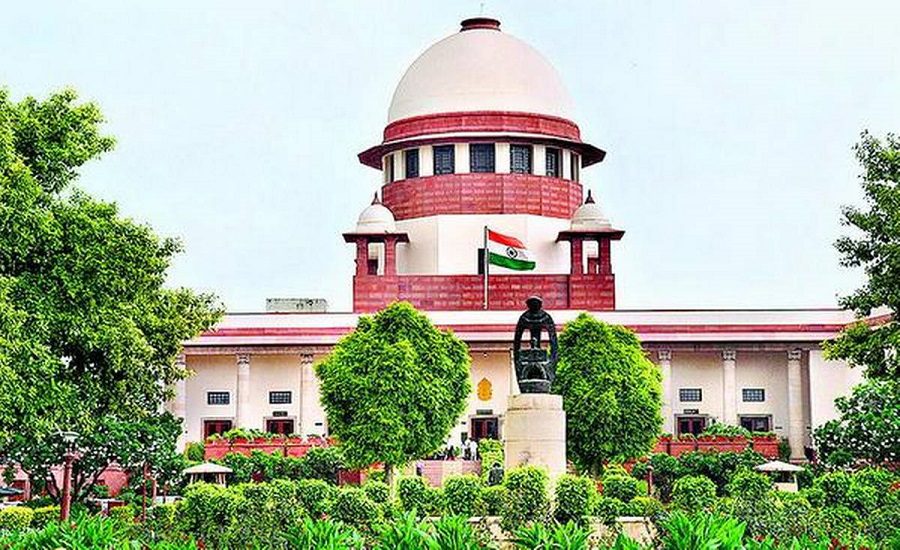
New Delhi: The Section 225 BNSS ruling has brought major clarity to criminal procedure in India. The Supreme Court has ruled that a Magistrate must conduct an inquiry or order an investigation before proceeding against an accused who lives outside the court’s territorial jurisdiction.
This decision under the Bharatiya Nagarik Suraksha Sanhita, 2023 strengthens safeguards against misuse of legal processes and ensures fairness in criminal complaints.
Section 225 BNSS Ruling: What the Supreme Court Said
The Supreme Court clearly held that:
- A Magistrate cannot directly issue process (summons or warrant) against an accused living outside jurisdiction.
- The Magistrate must first:
- Conduct a preliminary inquiry, or
- Direct a police investigation
This step is mandatory, not optional.
Read also: Supreme Court Road Safety Guidelines 2026 Explained: Key Rules, Impact, and What Changes for You
The ruling ensures that courts verify whether there is sufficient ground to proceed before troubling an out-of-area accused.
What is Section 225 BNSS
Section 225 of the BNSS is designed to prevent misuse of criminal law.
Key Purpose:
- Prevent harassment through false complaints
- Ensure judicial application of mind
- Avoid unnecessary summons to distant individuals
What It Means Practically:
If a complaint is filed in one city and the accused lives in another:
- The Magistrate must verify the case first
- Only after proper inquiry can legal proceedings begin
Why Section 225 BNSS Ruling Matters
1. Protection Against Misuse
False or weak complaints are sometimes filed to pressure individuals. This ruling helps stop that practice.
2. Saves Time and Cost
People living far away won’t be forced to travel unless the case has strong grounds.
3. Strengthens Fair Trial Principles
The decision supports fairness and proper legal procedure.
Read also: India New Criminal Laws 2026: Key Changes, Benefits and Impact Explained